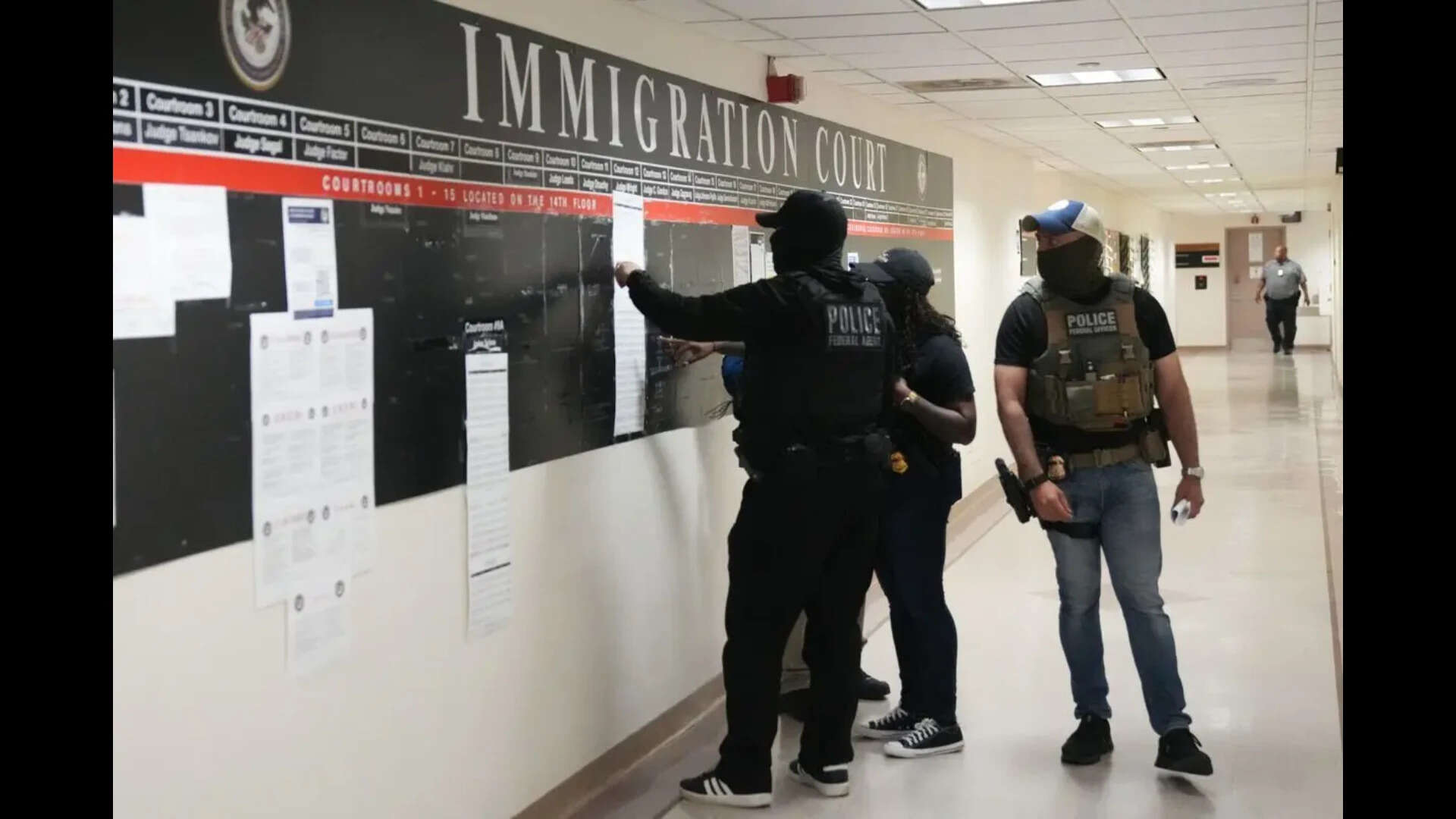
Starting May 1, 2026, the ground is shifting for thousands of skilled workers across Texas. A new rule from the Texas Department of Licensing and Regulation (TDLR) is about to pull the rug out from under people who’ve been cutting hair, fixing air conditioners, and wiring homes for years. If you don't have proof of "lawful presence" in the United States, you can basically forget about getting or renewing your professional license in this state.
This isn't just a minor paperwork change. It’s a massive policy pivot that targets the very heart of the Texas blue-collar workforce. For decades, the state operated under a 2001 legal opinion that allowed folks without Social Security numbers to get licensed. That door is officially slammed shut.
Why the Rules are Changing Now
The catalyst for this sudden crackdown is a mix of state-level politics and a aggressive re-interpretation of a 30-year-old federal law. Specifically, the TDLR is pointing to the Personal Responsibility and Work Opportunity Reconciliation Act of 1996. This federal statute suggests that undocumented individuals shouldn't receive "public benefits," and Texas leadership has decided that a license to work is a benefit provided by the government.
Attorney General Ken Paxton recently rescinded the old 2001 guidance that protected these workers. He’s framed this as a way to "protect the integrity" of the licensing system. But for the people on the ground, it feels more like an eviction from the professional world.
Who gets hit the hardest
We aren't just talking about one or two niche jobs. The TDLR oversees dozens of industries. If you're in one of these fields, you're in the crosshairs:
- Electricians and Plumbers: The backbone of the Texas construction boom.
- Barbers and Cosmetologists: Thousands of local shops rely on these licenses.
- HVAC Technicians: In a state where AC is a survival tool, this is a huge blow.
- Water Well Drillers and Dog Breeders: Even niche trades aren't safe.
- Driver Education Instructors: Ironically, the people teaching us to drive safely are being pushed out.
Data suggests there are roughly 18,000 active licenses in Texas currently not tied to a Social Security number. Come May, those people face a choice: find a way to prove legal status or lose their livelihood.
The Economic Reality No One is Talking About
Texas is already screaming for skilled labor. I've talked to contractors who can't find enough sparkies to finish a subdivision. By effectively banning thousands of experienced workers, the state is shooting its own economy in the foot.
Senator Sarah Eckhardt pointed out that this could slash the state's skilled workforce by 8 to 10%. When you shrink the pool of legal workers, two things happen: prices go up for the rest of us, and a "black market" for labor explodes. People aren't going to stop needing their toilets fixed or their hair cut. They'll just hire people working under the table, which means zero state oversight and zero safety inspections. It’s the exact opposite of what "licensing" is supposed to achieve.
Can Non-Citizens Still Get Licensed
Yes, but the bar is much higher. You don't have to be a U.S. citizen, but you do need to prove you're here legally. This usually means providing documentation that shows you are:
- A Lawful Permanent Resident (Green Card holder).
- An Asylee or Refugee with approved status.
- A victim of human trafficking with specific federal recognition.
- Someone with a valid federal work authorization document (EAD).
If you’re a DACA recipient or have a pending asylum case, things have become incredibly murky. Just last year, the Department of Public Safety (DPS) stopped issuing Commercial Driver Licenses (CDLs) to many non-citizens. The state is tightening the net from every angle.
The Documents You Need to Have Ready
If you're worried about your renewal, don't wait until April 30. You need to gather your "Lawful Presence" documents now. The TDLR will likely be using the SAVE (Systematic Alien Verification for Entitlements) program to check your status.
You'll need things like your unexpired foreign passport with a valid visa, your I-94 form, or your Employment Authorization Card. If your paperwork is expired or "pending," you’re likely going to hit a brick wall. The state has made it clear: no proof, no license.
What to do if you're affected
Honestly, the options are slim if you can't provide the required status. You should consult with an immigration attorney immediately to see if there's a path to legal work authorization you haven't explored yet. Don't just ignore the renewal notice and hope for the best. Working without a license in these trades can lead to heavy fines or even criminal charges, which will only make your immigration situation worse.
The state is betting that this move will "deter" illegal immigration. Whether that works is up for debate. What isn't debatable is the immediate pain this will cause for thousands of families who have been playing by the rules—at least the rules as they existed for the last 25 years.
Check your current license expiration date immediately and verify your documentation status on the TDLR website before the May 1 deadline hits.