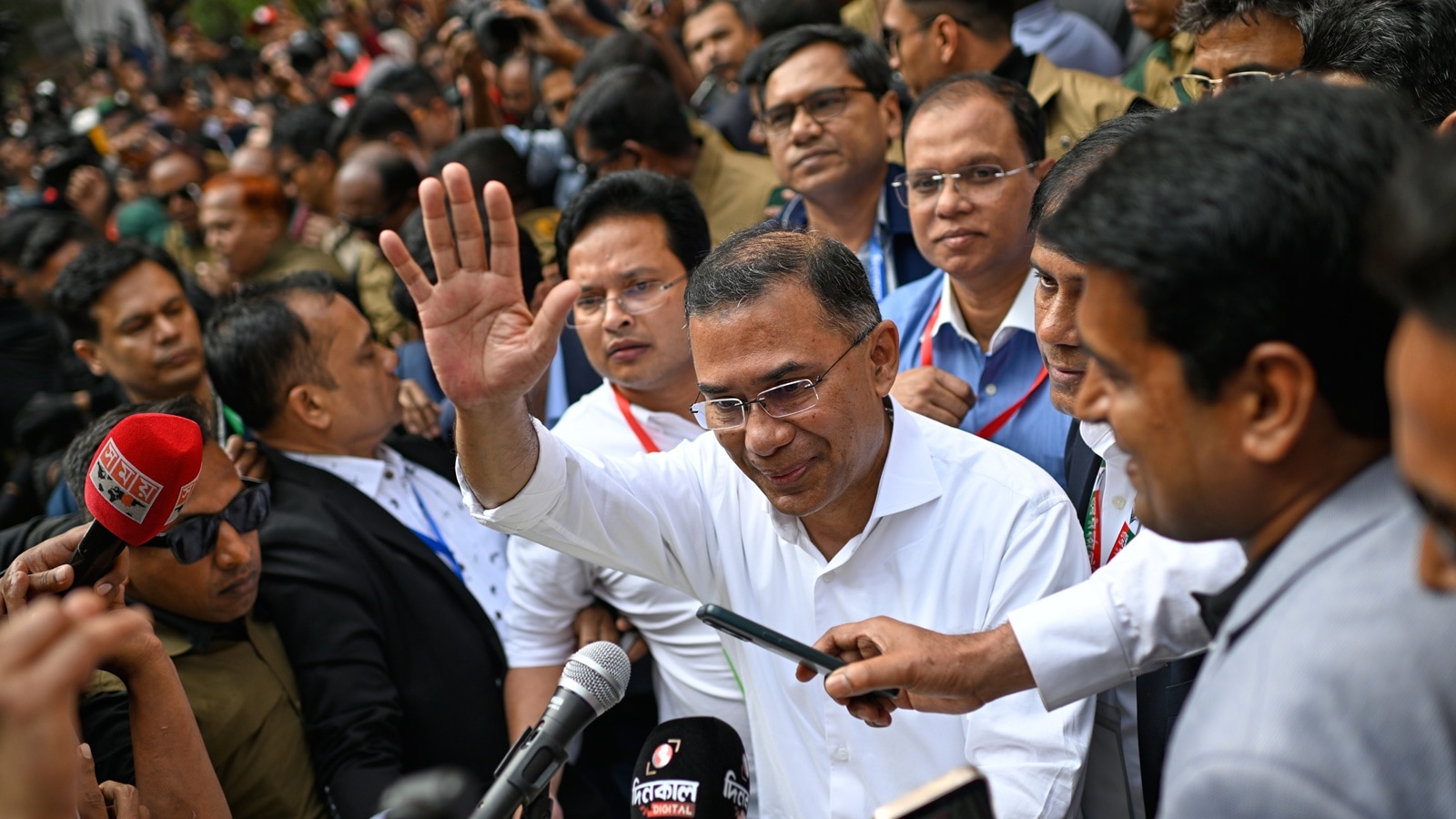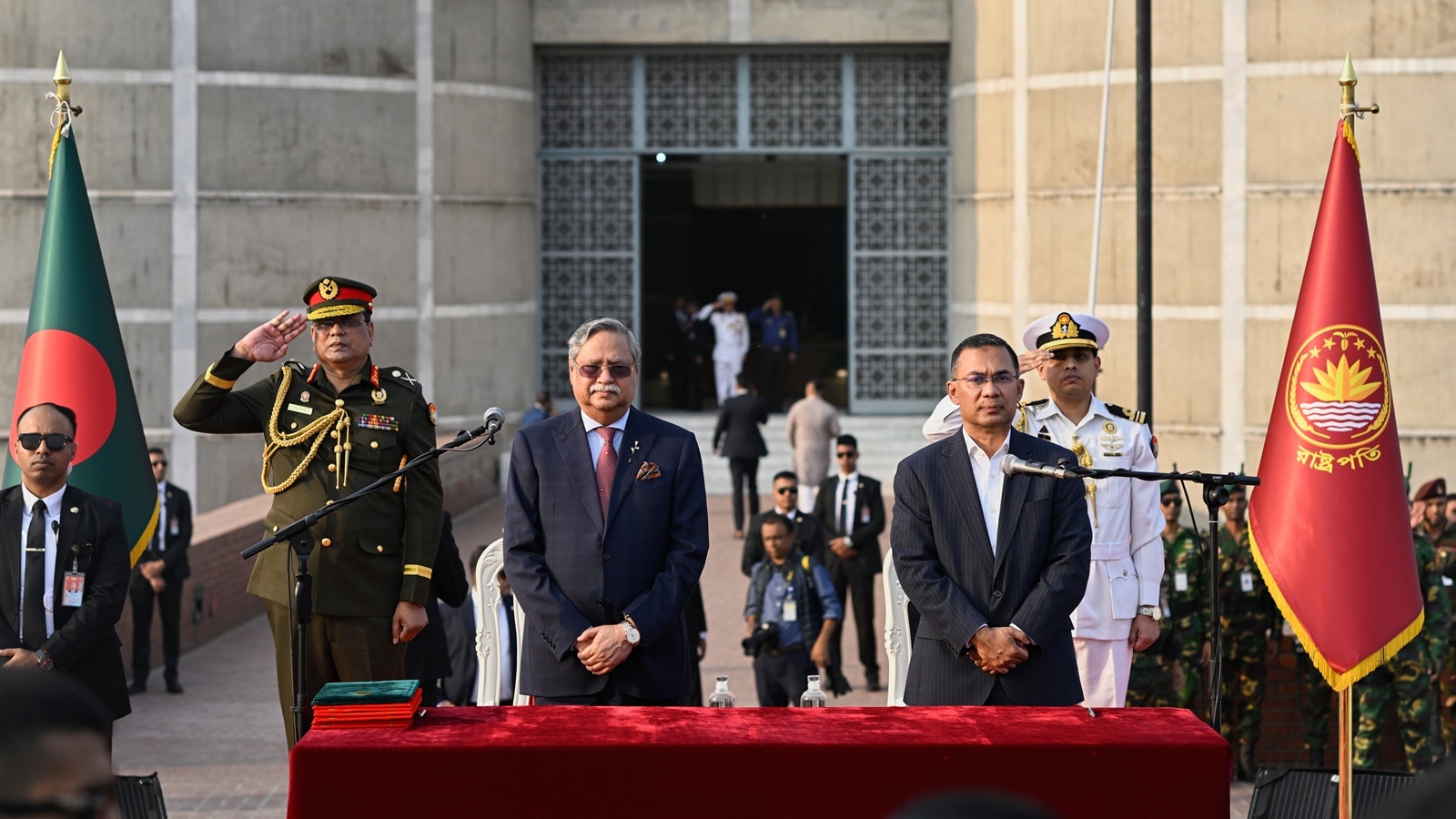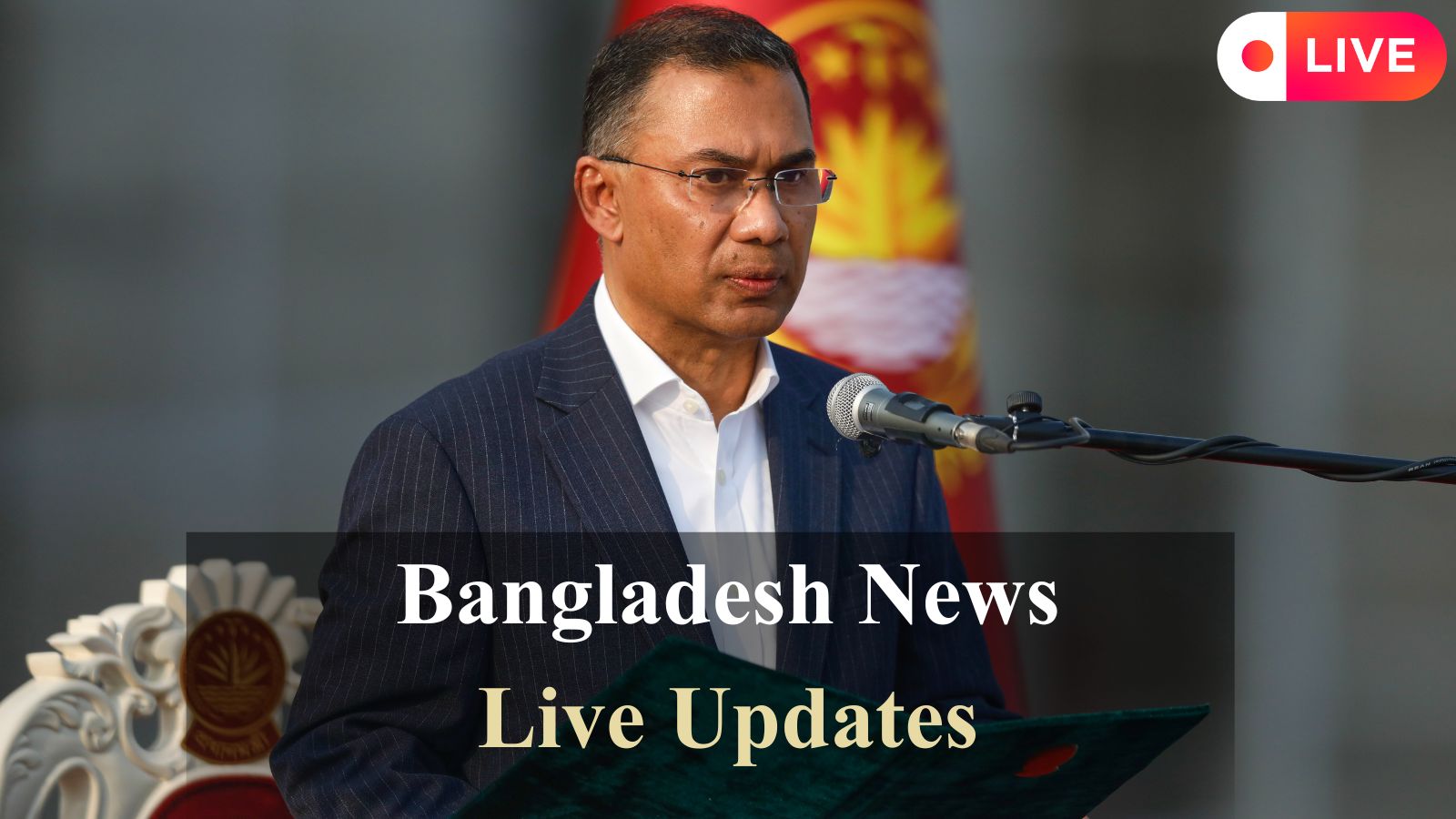
The wait is over. After years of political exile, shifting alliances, and a landscape that felt permanently fractured, Tarique Rahman has officially taken the helm as the Prime Minister of Bangladesh. If you were expecting a standard, dry bureaucratic speech on day one, you were wrong. Rahman didn’t start with a list of economic targets or a victory lap. Instead, he went straight for the jugular of the country's most sensitive nerve—religious and national identity.
His maiden address wasn't just about policy. It was a calculated attempt to redefine what it means to be Bangladeshi in 2026. "Regardless of being Hindu, Muslim, Buddhist, or Christian, Bangladesh belongs to all," he told a crowd that seemed both hopeful and wary. It’s a bold stance in a region where identity politics usually wins more votes than pluralism. But for Rahman, this isn't just about being a "nice guy." It's about survival.
A Nation Watching for Real Change
Everyone in Dhaka and beyond knows the history here. The transition of power in Bangladesh hasn't always been smooth, and the rhetoric has often been divisive. By making his first official statement about inclusivity, Rahman is trying to signal a departure from the "us versus them" mentality that has plagued the nation's politics for decades. He’s essentially betting that he can consolidate power by being the person who brings people together rather than the one who tears them apart.
It's a smart move. Honestly, it might be the only move he has. The international community is watching. Investors are watching. Most importantly, the youth—who have no patience for the old-school sectarian bickering—are watching. They want jobs, stability, and a country that doesn't feel like a powder keg. Rahman’s speech was designed to tell them he hears them.
Breaking Down the Speech
Rahman spent a significant portion of his address speaking directly to the minority communities. This wasn't a footnote. It was the core. He emphasized that the state’s protection isn't a "favor" granted to minorities but a fundamental right of every citizen.
He didn't stop at religious identity. He touched on the need for institutional reform. He talked about a judiciary that doesn't lean toward the ruling party and a police force that actually serves the public. It sounds great on paper. We've heard versions of this before from various leaders across the globe. The difference here is the context. Bangladesh is at a crossroads where the old ways of doing business—political patronage, silencing dissent, and religious gatekeeping—just don't work anymore.
Why the Secular Rhetoric is a Strategic Pivot
You might wonder why a leader from the Bangladesh Nationalist Party (BNP) is leaning so hard into secular inclusivity. Traditionally, the BNP has been viewed as the more conservative, nationalist alternative to the Awami League. But Rahman is clearly trying to rebrand. He’s positioning the BNP as a modern, center-right party that values national sovereignty and religious harmony equally.
This isn't just "talk." It’s a response to the shifting demographics of Bangladesh. The country is more connected than ever. People see how pluralistic societies thrive, and they see the cost of internal strife. Rahman knows that if he wants to stay in power, he can't just preach to the choir. He needs the middle ground. He needs the skeptics.
The Economic Reality Behind the Unity Talk
Let’s be real. You can’t eat unity. While the "Bangladesh belongs to all" sentiment is a great headline, the underlying pressure is economic. Rahman inherited a country with massive potential but significant hurdles. Inflation, energy costs, and the need for diversified exports are the real monsters under the bed.
During his day one activities, Rahman met with senior economic advisors. The message was clear: social stability is a prerequisite for economic growth. You can’t attract foreign direct investment if the world thinks your country is on the brink of a civil or religious riot. By calming the waters on day one, he’s trying to lower the risk profile of Bangladesh for global markets.
What the Critics are Saying
Of course, not everyone is buying it. Critics from the opposition were quick to point out that words are cheap. They’re looking for specific policy changes. Will the Digital Security Act—or whatever its current iteration is—be used to stifle the very people Rahman says he wants to protect? Will the local-level party workers get the message that the "old ways" of intimidation are over?
There’s also the question of his past. Rahman has been away for a long time. His return to the top spot is a comeback story for the ages, but it brings baggage. His opponents will constantly bring up the controversies of the 2000s. His speech was a preemptive strike against that narrative. He’s saying, "Look at who I am now, not who you remember me as."
Day One is Only the Beginning
The atmosphere in Dhaka today was electric, but also heavy with expectation. People are tired of the cycle of retribution that usually follows a change in government. Rahman’s call for unity is a promise that this cycle ends with him.
He spent the afternoon meeting with various religious leaders, reinforcing the message of his morning speech. This wasn't just for the cameras. These leaders hold immense sway over their communities. Getting them on board early is a tactical masterstroke. It minimizes the chance of grassroots friction during the delicate first few weeks of his administration.
Institutional Reform as a Priority
Beyond the rhetoric of unity, Rahman hinted at a massive overhaul of how the government functions. He mentioned "transparency" more times than a tech CEO at an IPO. He’s promising a government that is more tech-savvy and less reliant on the "man in the middle" for services.
This is where the rubber meets the road. If he can actually reduce the friction of daily life for the average Bangladeshi—getting a passport, paying taxes, starting a small business—without the need for bribes or political connections, he’ll be a hero. The unity speech sets the stage, but the administrative efficiency will keep the lights on.
The Global Perspective
World leaders have been cautious but optimistic. The message of inclusivity is exactly what Washington, London, and New Delhi wanted to hear. Stable governance in a country of 170 million people is a global priority. Rahman’s day one performance was an "A" in diplomacy. He managed to sound like a nationalist without sounding like a zealot, and a reformer without sounding like a radical.
How to Track His Progress
If you want to see if Rahman is actually sticking to his "Bangladesh for all" promise, watch the local government appointments over the next month. That’s where the real power is distributed. If he fills those spots with hardliners, the speech was just PR. If he brings in a diverse group of technocrats and representatives from various backgrounds, he’s the real deal.
Keep an eye on the media landscape as well. A leader who truly believes the country belongs to everyone doesn't mind when "everyone" has something to say—even if it’s critical.
Start looking at the specific legislative changes proposed in the coming weeks. The first budget under his leadership will be the ultimate truth-teller. It will show exactly where the priorities lie—whether they are in building a broad-based economy or rewarding political loyalty. Pay attention to the civil service reforms. These are the quiet changes that actually transform a nation. Rahman has set a high bar for himself with this address. Now he has to clear it.