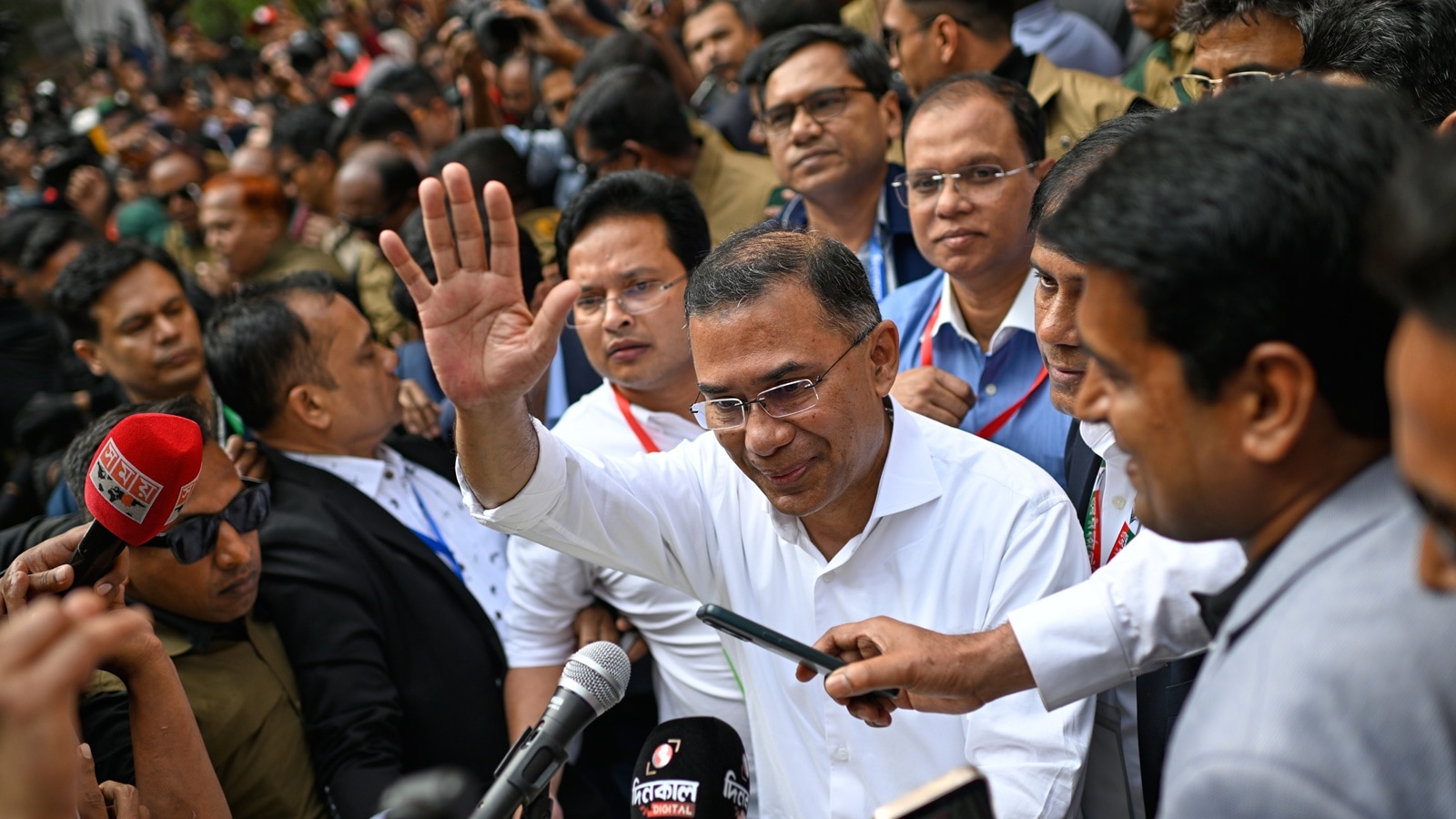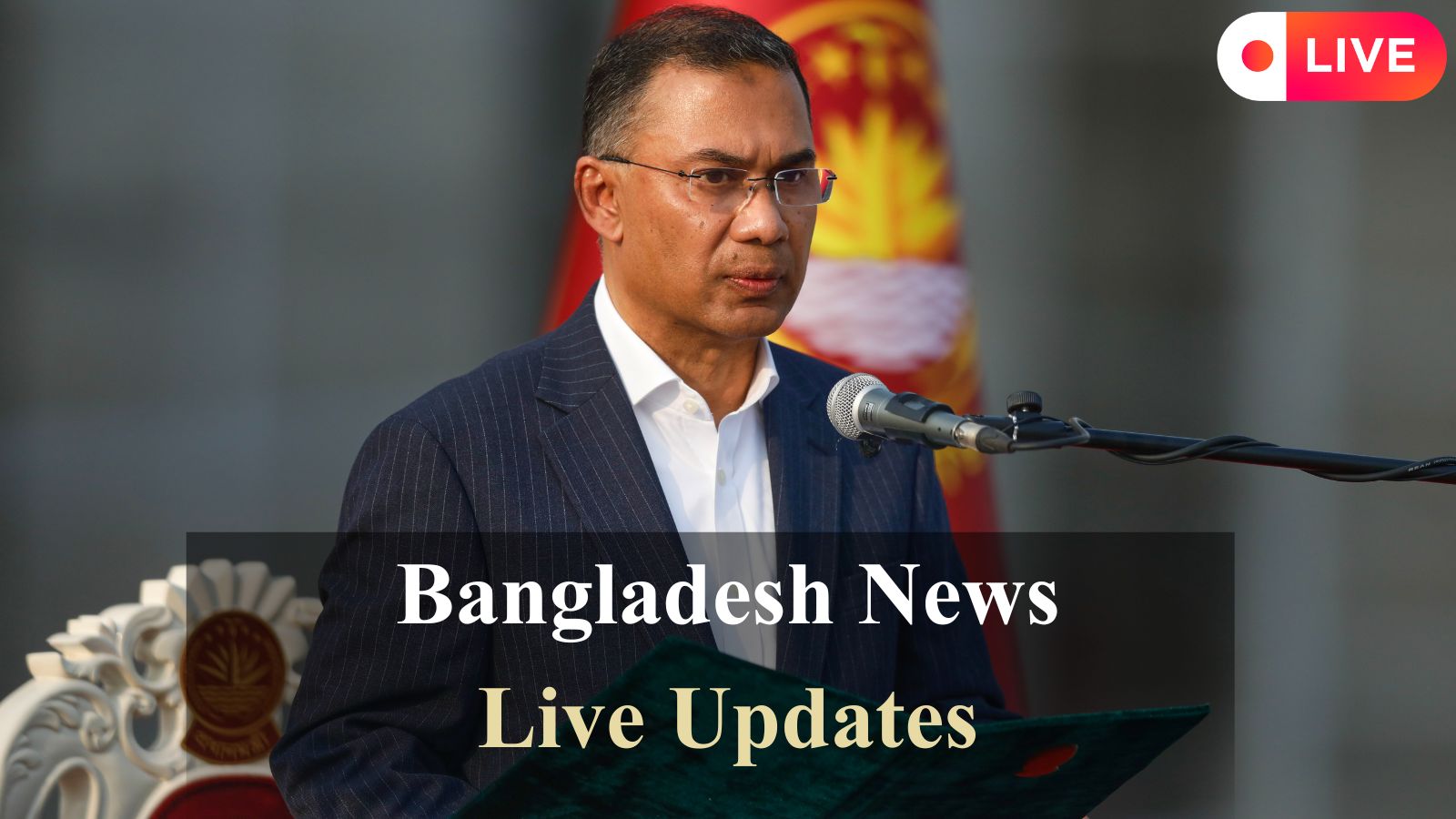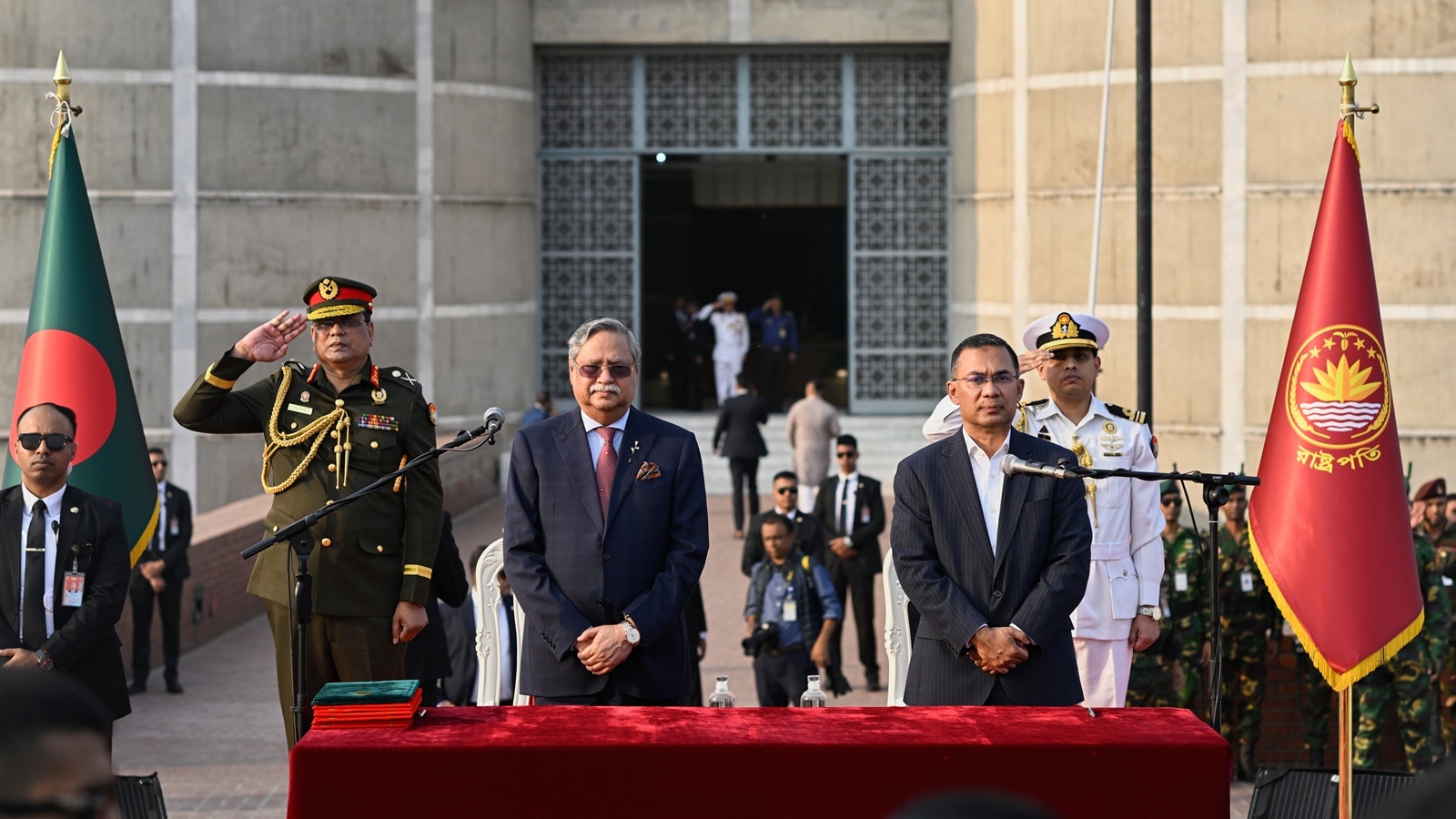
Tarique Rahman is finally in the seat. After 17 years of exile and a landslide election that felt more like a coronation, the BNP chief took the oath as Prime Minister on February 17, 2026. If you think this is just a routine change in leadership, you aren't paying attention to the frantic energy currently vibrating through the halls of the Secretariat and the Police Headquarters in Dhaka.
The "Old Guard" is out, and the "New Guard" is currently tripping over themselves to prove they were always on the right side of history. It’s not just a Cabinet reshuffle; it’s a total overhaul of the state machinery.
The Great Bureaucratic Shuffle
The moment President Mohammed Shahabuddin administered the oath at the South Plaza of the Jatiya Sangsad, a silent siren went off for hundreds of top-tier civil servants. If you’ve followed Bangladesh’s history, you know the drill. A change in the Prime Minister’s Office (PMO) usually triggers a "purification" process.
Right now, intense lobbying has hit fever pitch. Secretaries, Deputy Commissioners, and heads of various departments are currently navigating a high-stakes game of musical chairs. Those who were perceived as being too close to the previous administration—even the interim one—are suddenly finding their phones very quiet. Meanwhile, those who survived the lean years of the BNP's exile are dusting off their resumes and making strategic visits to the party’s Nayapaltan headquarters.
It's basically a race for the "lucrative" postings. We’re talking about positions in the Home Ministry, Finance, and the Power Division. In Bangladesh, these aren't just jobs; they're the nerve centers of influence. The lobbying isn't just about merit; it’s about "loyalty credentials." I’ve seen this cycle before, but this time feels different because the stakes involve a 17-year backlog of expectations.
Reshaping the Force
The police department is arguably in the most delicate position. Let's be honest: the reputation of the Bangladesh Police took a massive hit during the 2024 uprising. We saw them switch from the old turquoise uniforms to the new "iron-grey and chocolate-brown" kits in late 2025 just to try and fix their image.
But a change in color doesn't change the command structure.
Rahman’s administration has inherited a force that is deeply fractured. About 1,500 personnel are still facing various charges from the 2024 unrest. Now, the lobbying for the Inspector General of Police (IGP) spot and the Dhaka Metropolitan Police (DMP) Commissioner post is happening behind closed doors. You have senior officers trying to distance themselves from the "crackdown" era while promising the new PM that they can maintain "strict law and order."
It’s a balancing act. Rahman needs a loyal force to ensure stability, but he also knows the public—especially the youth who led the revolution—won't tolerate the same old heavy-handed tactics.
Who is actually in the Cabinet?
Rahman didn't waste time. He’s surrounded himself with a mix of veteran loyalists and strategic appointments meant to signal a "New Bangladesh." The Cabinet consists of roughly 25 ministers and 24 ministers of state.
Here is how the power is actually distributed:
- Finance: Amir Khosru Mahmud Choudhury. A veteran from Chattogram who has the massive task of hitting that $1 trillion GDP target by 2034.
- Home Ministry: Salahuddin Ahmed. This is the hot seat. He’s the one overseeing the police reshuffle and the "stability" mandate.
- Local Government & Cooperatives: Mirza Fakhrul Islam Alamgir. The man who kept the party together while Rahman was in London.
- Energy: Iqbal Hasan Mahmud Tuku.
The inclusion of Nitai Roy Choudhury for Culture and Qazi Shah Mofazzal Hossein Kaikobad for Religious Affairs is a clear attempt to project an image of inclusivity. Rahman is trying to tell the world—and India—that his government isn't the radical entity his opponents claimed it would be.
Why the Economy is the Real Test
Lobbying for posts is fun for the bureaucrats, but for the 173 million people living in Bangladesh, the only thing that matters is the price of rice and the availability of jobs. The interim government under Muhammad Yunus left behind a mixed bag. Remittances hit $30 billion in 2025, which is great, but food inflation is still hovering around 14%.
Rahman has pledged to double the economy. That’s a bold claim. To get there, he needs more than just loyal secretaries; he needs 9% annual growth. Currently, the country is sitting at about 4%.
The real "lobbying" that matters isn't happening in the police stations; it's happening in the boardrooms. Foreign investors are watching. The U.S. and China are already circling, with Beijing offering drone plants and Washington "articulating risks." Rahman’s choice to join ASEAN signals he’s looking East, but he can't afford to alienate the West if he wants those garment exports to keep flowing.
The Reality of "Purges"
In the coming weeks, don't be surprised to see "Officer on Special Duty" (OSD) status handed out like candy. In the Bangladeshi bureaucracy, being made an OSD is the polite way of being fired. You keep your salary, but you lose your desk, your power, and your dignity.
We’re already seeing massive transfers at the Deputy Inspector General (DIG) and Superintendent of Police (SP) levels. The goal is to ensure that by the time the first 100 days are up, every key administrative post is held by someone the BNP trusts.
Is this "politicization of the bureaucracy"? Of course it is. It's been the standard operating procedure in Dhaka for decades. The question is whether Rahman can break the cycle of vengeance that has defined the AL-BNP rivalry for so long.
What to watch next
If you're looking for the real indicators of where this government is headed, watch these three things:
- The "Hundi" Crackdown: If Rahman can keep remittances flowing through legal channels as effectively as the interim government did, the reserves will stay healthy.
- The India Relationship: With PM Modi skipping the oath ceremony, the diplomatic dance between Dhaka and Delhi is going to be frosty. Watch who gets the High Commissioner posts.
- The Student Leaders: The youth who ousted Hasina haven't gone away. If they feel the BNP is just "Awami League 2.0" in terms of corruption and police atttitude, the honeymoon will end fast.
The lobbying will settle, the new posters will go up, and the "iron-grey" uniforms will become the new normal. But for Tarique Rahman, the real work started the second he finished saying "so help me God."
Keep an eye on the official gazette notifications over the next 48 hours. That's where the real power map of the new Bangladesh is being drawn.