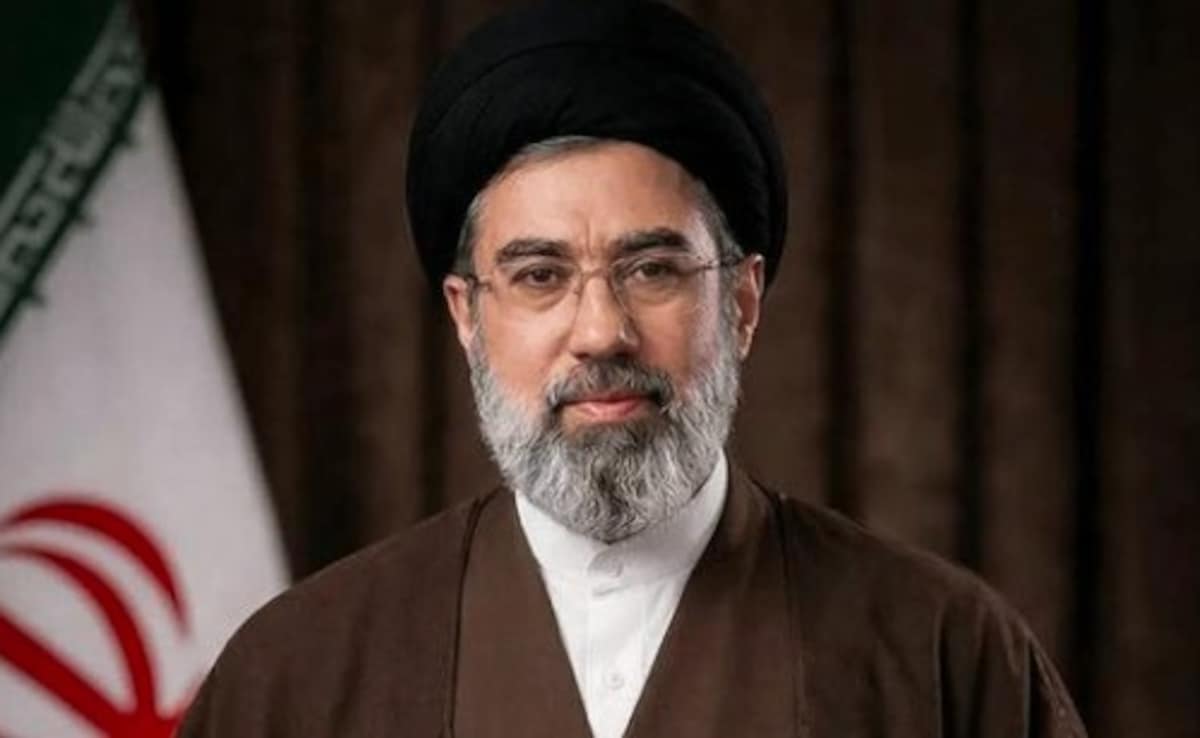
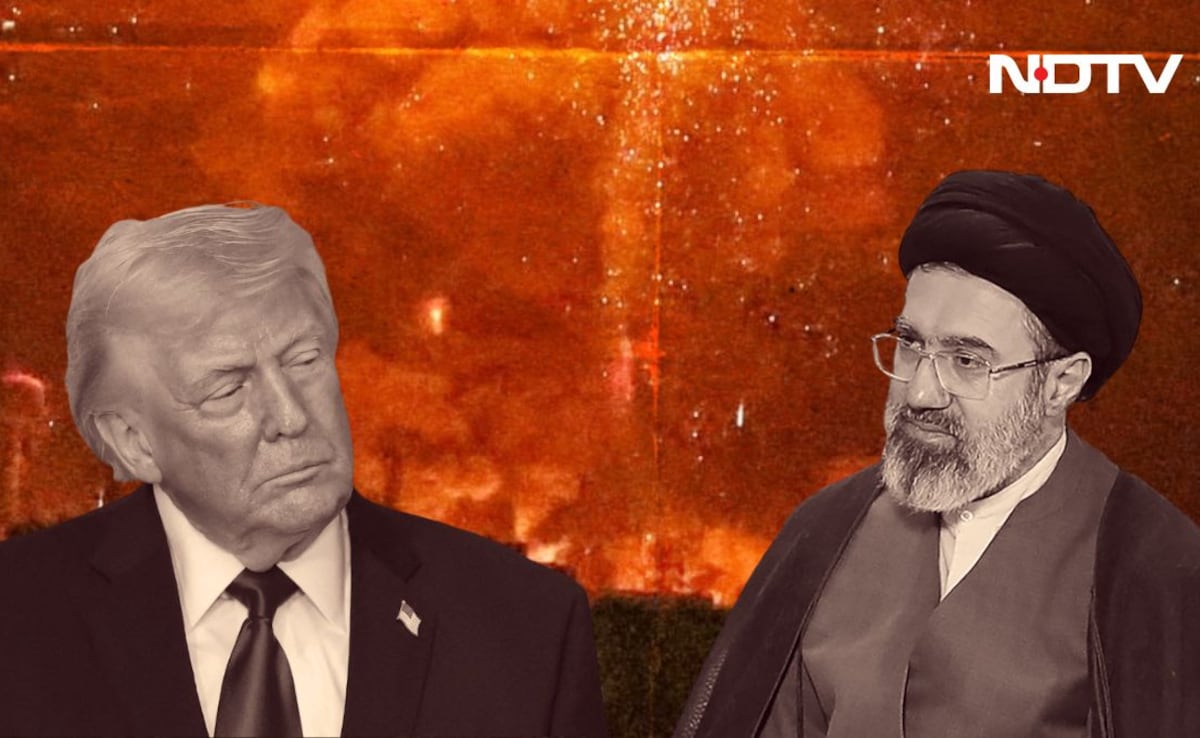
The Pentagon has a problem with ghosts. On Friday, Defense Secretary Pete Hegseth stood before the press and described a man he has likely never seen in person, yet claims to know intimately through the cold lens of battle damage assessment. Mojtaba Khamenei, the newly minted Supreme Leader of Iran, is "wounded and likely disfigured," according to Hegseth. It is a bold, visceral claim intended to project absolute American dominance over a regime currently being dismantled by Operation Epic Fury. But beneath the rhetoric of "disfigurement" lies a deeper, more unsettling intelligence vacuum that neither Washington nor Jerusalem has fully filled.
The core of the mystery is a total absence of proof of life. Since his elevation on March 8, following the assassination of his father, Ali Khamenei, the younger Mojtaba has not appeared on video. He hasn't released an audio file. He hasn't even been spotted in a grainy, long-distance satellite photo of a funeral procession. Instead, the world received a written statement read by a state television anchor—a seven-point manifesto vowing to "avenge the blood" of the martyrs while calling for the closure of the Strait of Hormuz. For a regime that historically thrives on the visual iconography of its leaders, this silence is deafening.
The Anatomy of a Missing Leader
The Pentagon’s assessment of Mojtaba’s condition isn't based on a doctor’s chart. It is based on the math of a missile strike. On February 28, the opening night of the war, a coordinated US-Israeli strike hit the Khamenei family compound with surgical precision. Six family members died. Reports leaking through intelligence channels suggest Mojtaba survived, but with a fractured foot, facial lacerations, and severe bruising. Hegseth’s use of the word "disfigured" suggests something more permanent—a leader who can no longer face his people because his face no longer represents the iron-jawed resolve the Islamic Republic demands.
Iranian state media is attempting to spin the trauma. They have begun referring to the new leader as a Jaanbaz—an honored war veteran who has "sacrificed his body" for the revolution. It is an old trope in Iranian politics, used to great effect by his father, whose right hand was paralyzed in a 1981 bombing. But there is a limit to how much "sacrifice" a digital-age population will accept before they begin to suspect they are being governed by a committee of generals using a dead man’s name.
Command in the Age of Ghosts
If Mojtaba is indeed incapacitated or hiding in a bunker deep beneath the Alborz Mountains, the question of "Who is in charge?" becomes the most dangerous variable in the Middle East. Hegseth mocked the new leader as a "rat" going underground, but an underground leader is often a desperate one. When the traditional hierarchy is shattered, the Islamic Revolutionary Guard Corps (IRGC) usually fills the void.
We are currently seeing a shift from clerical rule to a de facto military junta. Figures like Ali Larijani, Secretary of the Supreme National Security Council, and the remnants of the IRGC high command are likely the ones drafting the "written statements" attributed to the unseen Ayatollah. This creates a terrifying feedback loop. Washington is escalating its bombing campaign—with Hegseth promising the "highest volume of strikes" yet—under the assumption that they are "degrading and destroying" a central command. But if that command is already fragmented and headless, there is no one left to surrender.
The strategy of "decapitation" only works if the body dies with the head. In Iran, the body is a sprawling, decentralized network of "Mosaic Defense" units. These units are designed to operate independently when the center goes dark. By targeting the leadership so aggressively, the US and Israel may have inadvertently triggered a "Sampson Option" where local commanders, believing the regime has fallen, feel they have nothing left to lose but their remaining missile stockpiles.
The Munitions Shell Game
Hegseth’s briefing wasn't just about Iranian faces; it was about American wallets. He went out of his way to mention that only 1% of the weapons being used are "costly long-range standoff munitions." The rest are conventional "dumb" bombs made smart by GPS kits. This was a calculated message to a domestic audience worried about the skyrocketing cost of a third week of total war.
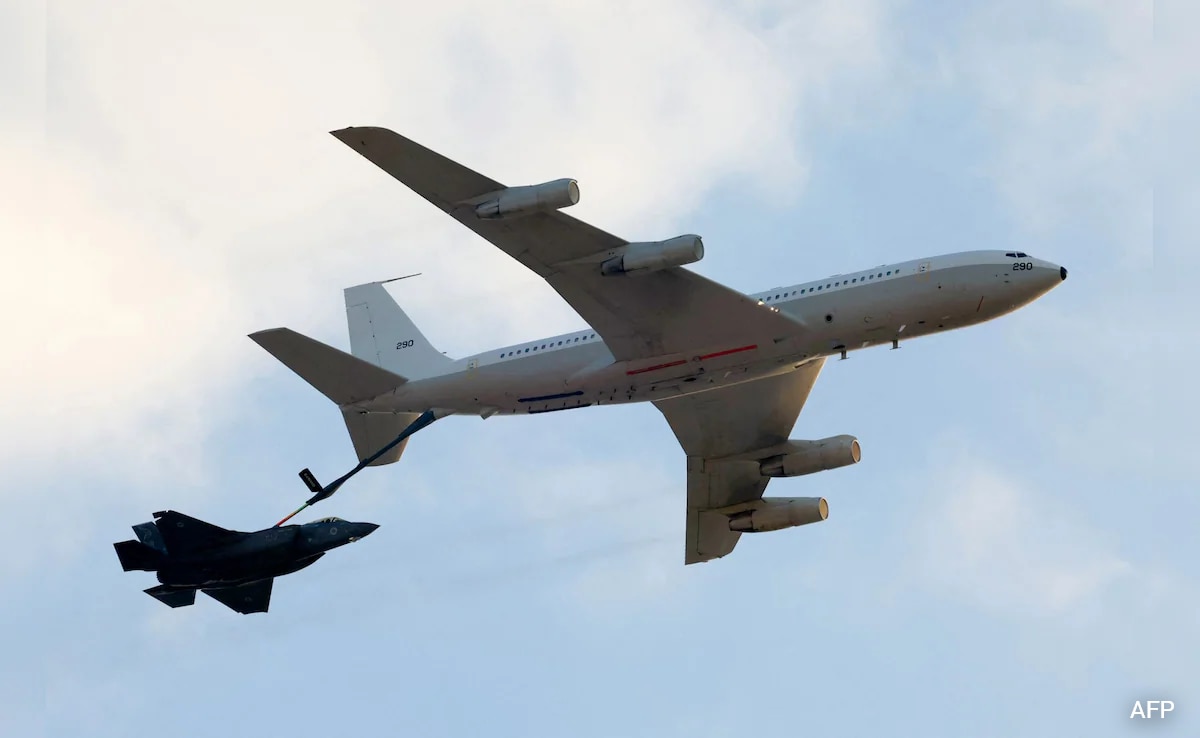
It also signals a shift in the conflict. The "surgical" phase is over. The US has claimed "full air superiority," meaning they are no longer worried about Iranian S-300 or S-400 batteries. They are now in the "industrial destruction" phase. They are systematically erasing the IRGC's ability to build anything—missiles, drones, or even basic infrastructure.
The Legitimacy Crisis
Even if Mojtaba Khamenei walks out of a bunker tomorrow with nothing more than a band-aid on his forehead, he faces a country that didn't ask for him. His appointment by the Assembly of Experts was a move of desperation, not a consensus. For decades, the prospect of a hereditary succession in the Islamic Republic was seen as a betrayal of the very revolution that overthrew the Shah.
The Iranian people, already squeezed by 60% inflation and years of crackdowns, are watching their cities burn while a leader they never voted for hides in the shadows. The Pentagon knows this. Every mention of Mojtaba being "wounded," "scared," or "disfigured" is a psychological operation aimed at the Iranian public. The goal is to make the new leader look weak, unmanly, and uninspiring.
But history shows that "disfigured" leaders can become martyrs, and invisible leaders can become myths. The longer Mojtaba remains a ghost, the more the IRGC can use his name to justify any atrocity or any escalation in the name of a "hidden" authority.
Washington is betting that if they hit the regime hard enough and fast enough, the whole structure will collapse before the internal power struggle resolves itself. It is a high-stakes gamble. If they are wrong, they aren't fighting a government; they are fighting a ghost with its finger on a thousand triggers.
The sky over Tehran is filled with the Stars and Stripes and the Star of David. Below, the regime has gone silent, leaving only the sound of falling masonry and the scratch of a pen on a written statement. We are watching the world's first decapitation strike in the era of total information warfare, where the most important question isn't how many targets were hit, but whether the man in the bunker is still a man or just a propaganda asset.