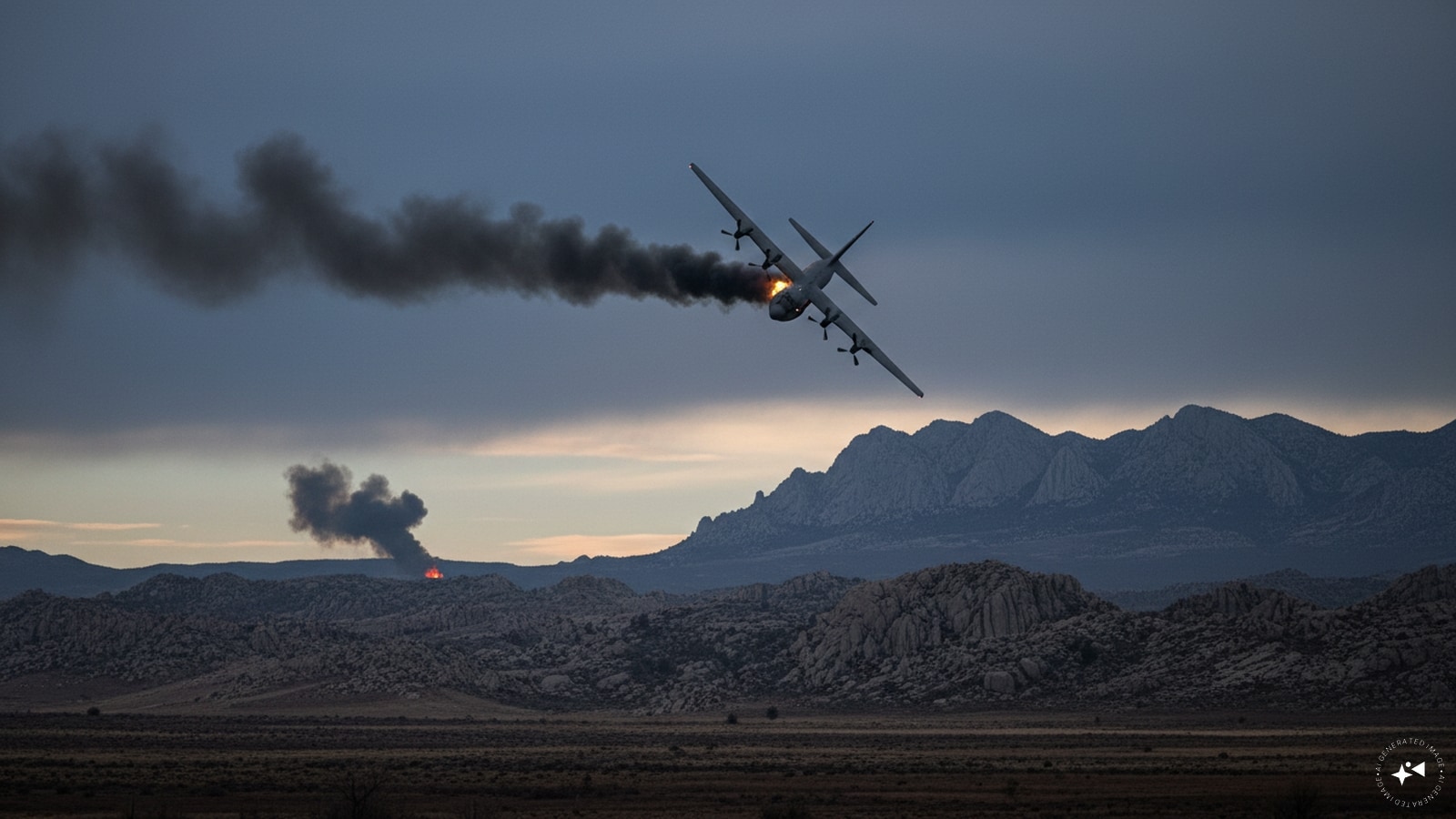
Six miles above the Atlantic Ocean, things went dark. Not just the lights, but the instruments.
On June 1, 2009, Air France Flight 447 plunged from the sky. It took all 228 people on board down with it. For years, the disaster remained an aviation ghost story. People wanted a simple villain. They blamed bad weather, mechanical failure, or pilot incompetence.
The truth is far messier. It is a terrifying masterclass in how automation can fail human beings when they need it most.
If you want to understand why that Airbus A330 crashed, you have to look past the sensational headlines about final words. You have to look at the cockpit culture, the freezing weather at 35,000 feet, and a fatal breakdown in communication between three men facing an impossible nightmare.
What Actually Happened Up There
Flight 447 was cruising smoothly over the Intertropical Convergence Zone. This is a band of thunderstorms near the equator known for severe turbulence and punishing updrafts.
At 2:10 AM, ice crystals choked the external speed sensors known as Pitot tubes. Suddenly, the autopilot kicked off. The computers gave up control and dumped it into the laps of the human crew.
The plane was flying through pitch-black night. There was no horizon to look at. The primary speed indicators flickered and died.
Captain Marc Dubois was resting in the crew quarters. That left two first officers on the flight deck: Pierre-Cédric Bonin, who was flying, and David Robert, the more experienced monitor.
Bonin did something catastrophic. He pulled back on the side-stick. He pitched the nose up.
In an aerodynamic stall, pulling back on the stick is the exact opposite of what you need to do. It kills your remaining lift. But Bonin panicked. He didn't realize the plane was stalling because the stall warning horn blared intermittently, then stopped entirely due to conflicting sensor data.
The plane climbed violently, lost all forward speed, and began a massive, unrecoverable aerodynamic descent.
The Grim Reality of the Cockpit Voice Recorder
The media loves to fixate on the final words recovered from the wreckage. People hunt for dramatic cinematic quotes. Real aviation disasters rarely sound like Hollywood movies. They sound like confusion, disbelief, and mounting panic.
As the aircraft dropped at a staggering rate of 10,000 feet per minute, the cockpit audio captured the unraveling of human cognition under extreme stress.
Bonin shouted out, "I don't have control of the plane anymore! I don't have control of the plane at all!"
Robert, realizing the severity of their altitude loss, yelled back, "Control the plane! Control the plane!"
The junior pilot fought the controls, still pulling up while Robert urged him down. They were working against each other. The side-sticks on an Airbus A330 are unlinked. Unlike a traditional yoke where both pilots feel each other's movements, the co-pilots couldn't feel what the other was doing. Bonin's inputs cancelled out Robert's corrections.
Captain Dubois rushed back into the cockpit at 2:14 AM. By then, they had less than a minute left. The terrain warning blared. The situation was mathematically hopeless.
The final recorded utterance before the flight data recorder cut out was chillingly mundane. Robert said, "Damn it, we're going to crash... It's not true."
Seconds later, the ocean rushed up to meet them.
Why Modern Pilots Got Confused
It is easy to sit behind a desk and judge. It is another thing entirely to wake up to flashing alarms in total darkness at night.
The root cause wasn't just pilot error. It was a failure of ergonomic design and training. Airbus built incredible automation into their aircraft. Pilots grew accustomed to planes flying themselves through terrible weather. When the automation disconnected because of frozen pitot tubes, the crew faced a sudden transition from passive monitors to active crisis managers.
They weren't trained to handle a high-altitude stall in manual mode. Modern simulators rarely prepared pilots for losing reliable airspeed indicators at cruising altitude.
Bonin suffered from spatial disorientation. When your inner ear tells you you're climbing, but you're actually plunging backward out of the sky, your brain lies to you. He trusted his flawed physical sensations over the glowing digital displays.
The Structural Changes That Saved Future Flights
The tragedy of Flight 447 forced a painful reckoning in global aviation. Regulators didn't just point fingers at the crew. They forced systemic upgrades.
Airlines replaced the faulty Pitot tubes with robust models that resist icing. More importantly, training programs changed forever. Pilots across the world now spend hours in simulators learning how to handle high-altitude stalls, unreliable speed data, and manual recovery maneuvers without flight computer assistance.
Cockpit resource management improved. Modern training emphasizes clear authority handoffs and cross-checking instrument data when automation fails.
When you board a long-haul flight today, the ghosts of Flight 447 are part of the safety margin keeping you in the air.
Next time you look out the window at cruising altitude, remember that aviation safety isn't written in manuals. It is written in blood, mistakes, and the brutal lessons learned from the dark corners of the sky.