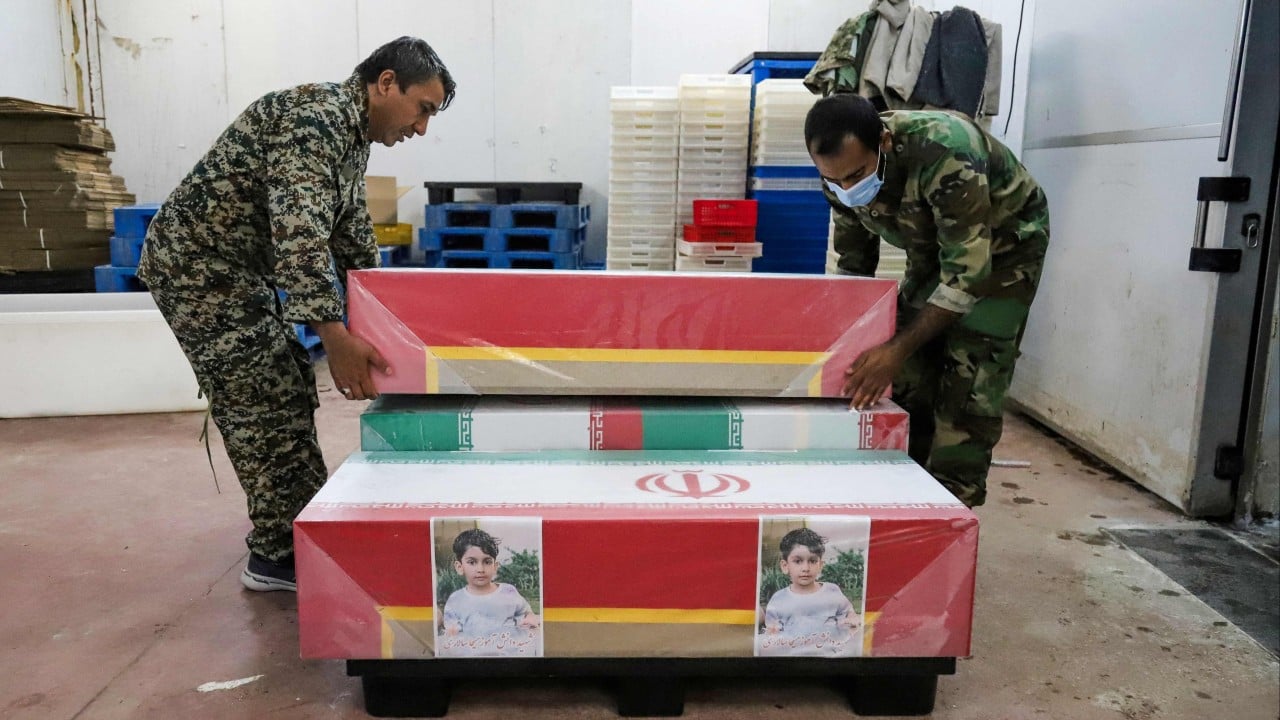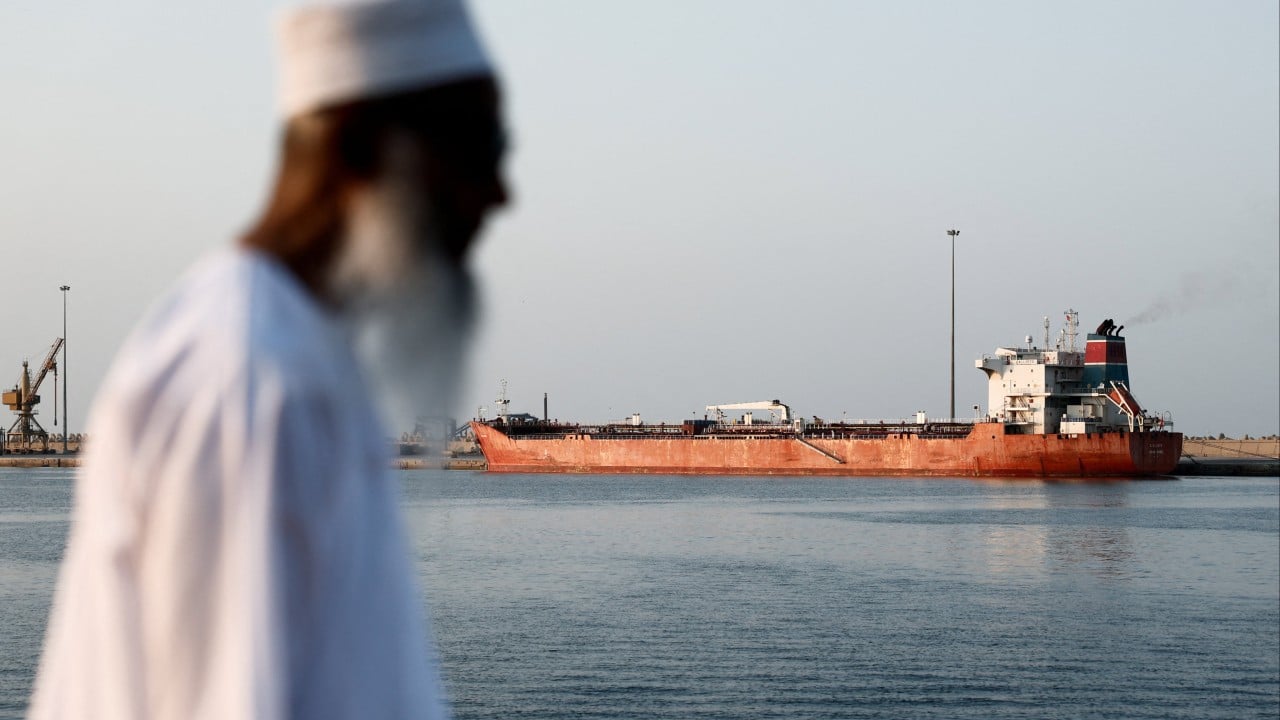
The Strait of Hormuz is currently the most dangerous stretch of water on the planet. Since the conflict with Iran escalated in late February 2026, the waterway has turned into a graveyard for global trade. If you’re a ship captain trying to get through that 21-mile-wide chokepoint right now, you aren't just worried about the weather. You’re worried about being blown out of the water by an Iranian drone or boarded by the Revolutionary Guard.
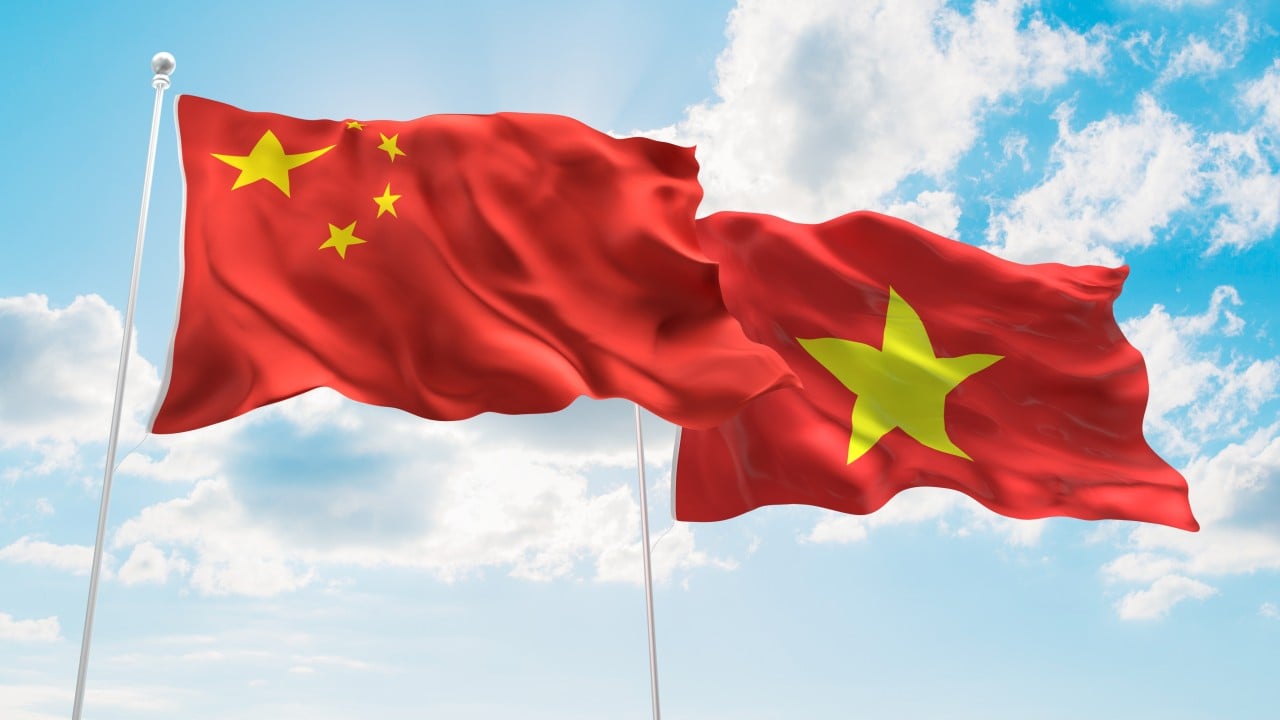
To stay safe, merchant ships have started doing something bizarre. They’re lying. Specifically, they’re telling everyone within radio range that they belong to China.
According to recent AIS (Automatic Identification System) data, at least ten major vessels have manually changed their digital "destination" fields to read "CHINA OWNER" or "ALL CHINESE CREW." It’s a desperate attempt at digital camouflage. By broadcasting a connection to Beijing, these ships hope to buy a hall pass through a blockade that’s currently choking off 20% of the world’s oil.
The logic of the fake Chinese flag
Why China? It isn't a random choice. China is Iran’s biggest customer and its most vital economic lifeline. Tehran knows that hitting a Chinese-owned vessel is the fastest way to alienate its only powerful friend.
Ships like the bulk carrier Riva Glory and the Sino Ocean have been caught red-handed. The Sino Ocean, flying a Liberian flag, broadcasted "CHINA OWNER_ALL CREW" while navigating the strait. It’s a bold move considering the ship is actually managed by a firm in Hong Kong and owned by a company that’s barely linked to the mainland. The goal isn't to be 100% accurate; it’s to make an Iranian missile operator hesitate for a split second.
This isn't just about ownership. Some ships are getting even more specific. One LPG tanker recently flashed a "Muslim Vsl Turkish" signal. Basically, they’re using the AIS system—a tool meant for collision avoidance—as a digital billboard to scream, "Don't shoot, we're on your side."
A blockade that isn't a blockade
Technically, Iran hasn't declared a legal blockade. If they did, they’d be responsible for the legal fallout. Instead, they’ve created a "functional" blockade. By launching "unidentified projectiles" and deploying a handful of naval mines, they’ve made the risk of transit so high that insurance companies have simply pulled the plug.
When your war-risk insurance is canceled, you don't sail. Period. Traffic through the strait has plummeted from 138 ships a day to just two or three. The few captains brave enough—or reckless enough—to make the run are the ones using these "China" signals.
It’s a high-stakes game of "Simon Says." The IRGC (Islamic Revolutionary Guard Corps) recently warned that the strait is under "wartime conditions." They claim they’ve already hit over ten tankers that ignored their warnings. If you’re sitting on a deck full of millions of gallons of crude oil, you don't argue with those numbers. You change your AIS signal and hope for the best.
The chaos of the digital battlefield
What makes this even messier is the GPS jamming. It’s rampant. Reports show that over 1,100 vessels in the region have dealt with signal interference in just the last few weeks.
Sometimes, a ship's AIS will show it's sitting in the middle of an airport in the UAE or even hundreds of miles inland in Iran. This "spoofing" makes it nearly impossible for naval forces to know who is who. When you combine fake "China" labels with jammed GPS coordinates, the Strait of Hormuz becomes a dark room where everyone has a gun and nobody has a flashlight.
What this means for your wallet
You might think this is just a maritime problem, but the "China signal" trend is a symptom of a global economic heart attack.
- Oil Prices: Brent crude has already jumped toward $120 a barrel.
- Helium Shortage: Qatar produces a third of the world's helium. With the strait blocked, the tech and medical industries are panicking.
- Insurance Surcharges: Even if a ship isn't hit, the cost of just being in the Persian Gulf has gone through the roof.
Don't expect things to normalize soon
The new Supreme Leader, Mojtaba Khamenei, isn't backing down. In his first public statement, he doubled down on using the "leverage" of the strait. He wants U.S. bases out of the region and he's willing to hold the world's energy supply hostage to get it.
The U.S. Navy is reportedly prepping to escort tankers by the end of the month, but that brings its own set of problems. An escort mission is a hair-trigger away from a full-scale naval war. Until then, expect more ships to suddenly "become" Chinese as they approach the Omani coastline.
If you're tracking these movements, don't trust the destination field on your tracking app. It’s no longer a map; it’s a list of excuses. The reality is that the "freedom of navigation" we’ve taken for granted for decades is officially dead in the Middle East.
If you're involved in maritime logistics or energy trading, start auditing your AIS data against satellite imagery immediately. Don't rely on reported "owner" signals to assess risk. The gap between what a ship says it is and what it actually is has never been wider.