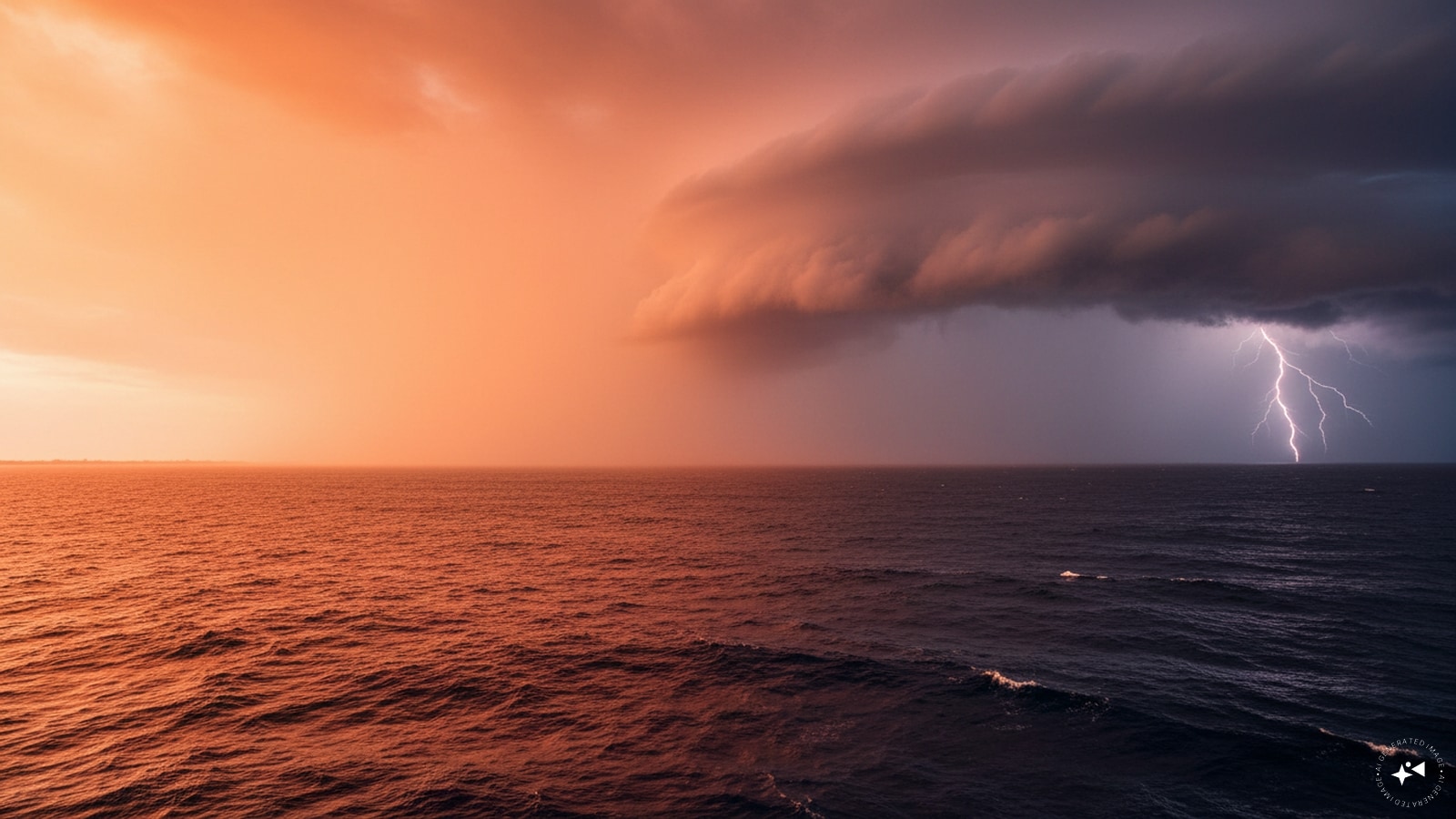
The sea does not keep secrets; it merely waits for someone to pull the thread. Deep beneath the cold, gray expanse of the Baltic, three thousand miles of steel and concrete fractured in the autumn of 2022. Billions of cubic meters of Russian natural gas escaped in massive, churning boils that lit up maritime radar screens. For months, international capitals pointed accusing fingers in every direction, whispering about shadow fleets, statecraft, and the invisible infrastructure that keeps modern empires warm.
Then came the Hollywood production crew.
Picture the sun-bleached promenades of Pula, an ancient Croatian port city where Roman stone meets the electric blue of the Adriatic. In the summer of 2026, film trailers lined the streets, and security guards cordoned off access for a high-stakes political thriller titled Snake Island. Director Doug Liman, famous for choreographing cinematic chaos on the silver screen, was shooting scenes inspired by the very underwater sabotage that paralyzed Europe's energy grid. Oscar winners like Sean Penn and Adrien Brody walked the sunlit sets.
And working quietly among them, lending his real-world expertise to a movie about covert divers, was Volodymyr Zhuravlev.
Reality has a dark sense of humor. Zhuravlev wasn't just observing the artifice; German federal prosecutors claim he was the living embodiment of the plot. He is one of the primary suspects accused of slipping out from a German port on a rented white yacht, diving eighty meters down into the freezing dark, and strapping explosive charges directly onto the Nord Stream pipelines.
Arrest warrants do not care about movie magic.
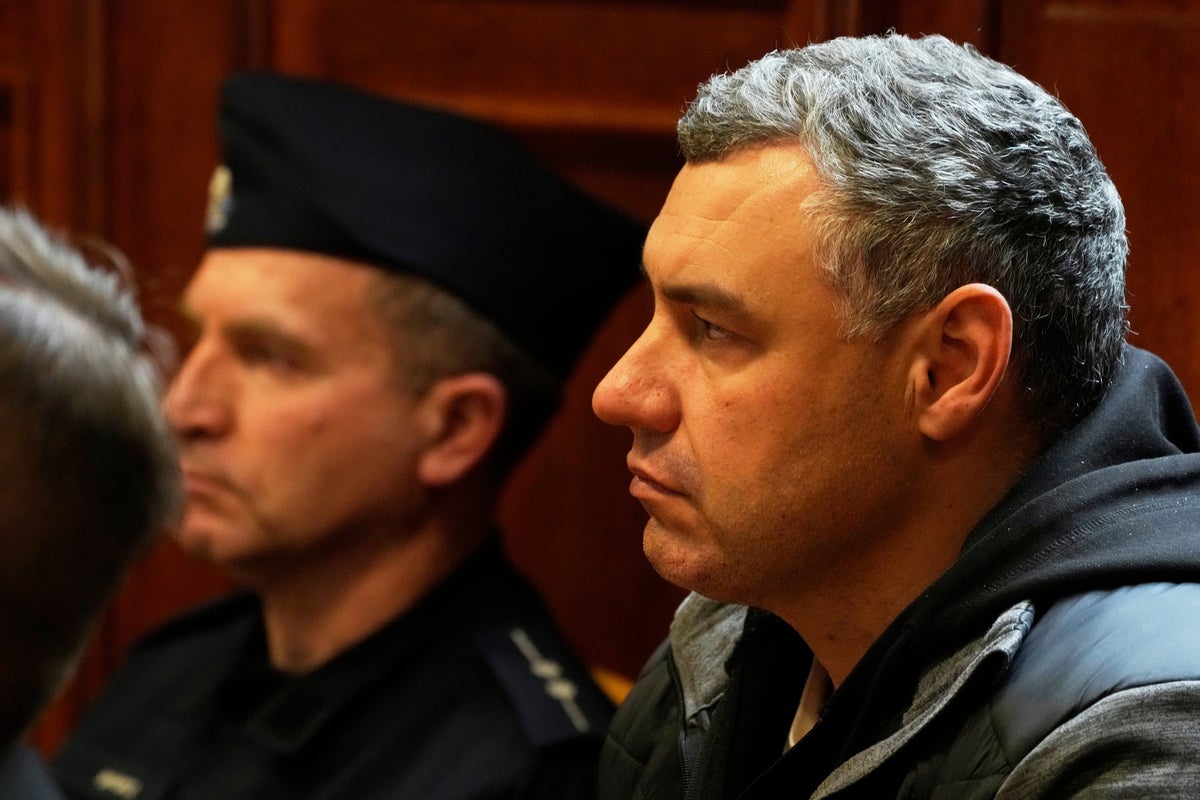
Croatian police moved in quietly, taking Zhuravlev into custody under a European arrest warrant. Just like that, the boundary between fiction and geopolitical consequence dissolved. The film cameras kept rolling, but the man who allegedly helped orchestrate one of the most audacious acts of modern sabotage found his own narrative cut short by handcuffs.
To understand why this arrest matters, we have to look past the cinematic irony and stare into the labyrinth of international law. Zhuravlev's journey has been a masterclass in jurisdictional ping-pong. Earlier, he had slipped through Poland. According to European media reports, he allegedly evaded capture by hiding in the trunk of a diplomatic car, whisked across borders before investigators could blink. When Polish authorities finally detained him later, their courts flatly refused to extradite him to Germany. The Polish legal logic was stark: in an era of total war, destroying an adversary's pipeline of economic leverage could be viewed as a defensive necessity rather than a common crime.
Borders changed the rules. Croatia, however, played a different hand.
When the cuffs clicked on the Adriatic coast, it exposed the raw vulnerability of anyone playing a high-stakes game across multiple jurisdictions. Zhuravlev's defense team now faces a monumental hurdle, arguing that a Croatian court shouldn't relitigate what has already been weighed in Warsaw. Yet international warrants care little for precedent when major powers demand accountability.
Consider what happens next: a courtroom battle where the laws of war, maritime jurisdiction, and intelligence operations collide. The pipelines are long dead, silent tubes of twisted metal resting in the muck of the seabed. But the fallout is expanding outward, touching everything from diplomatic alliances to Hollywood soundstages.
We live in a time where the invisible infrastructure of our daily lives is terrifyingly fragile. A few underwater charges can alter the energy map of a continent. And the people who pull the triggers can sometimes be found walking openly among film crews, trading on the notoriety of their own actions.
The cameras stop. The director yells cut. But the deep water still holds the rest of the story.