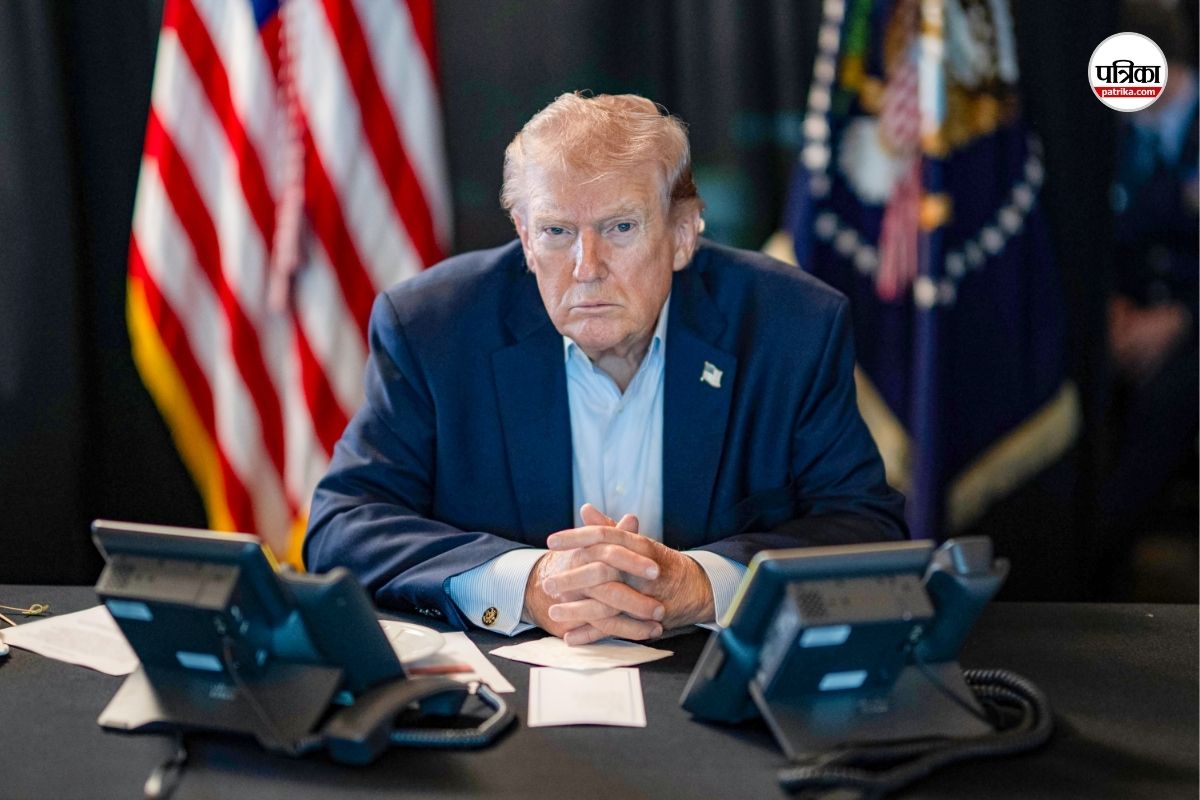
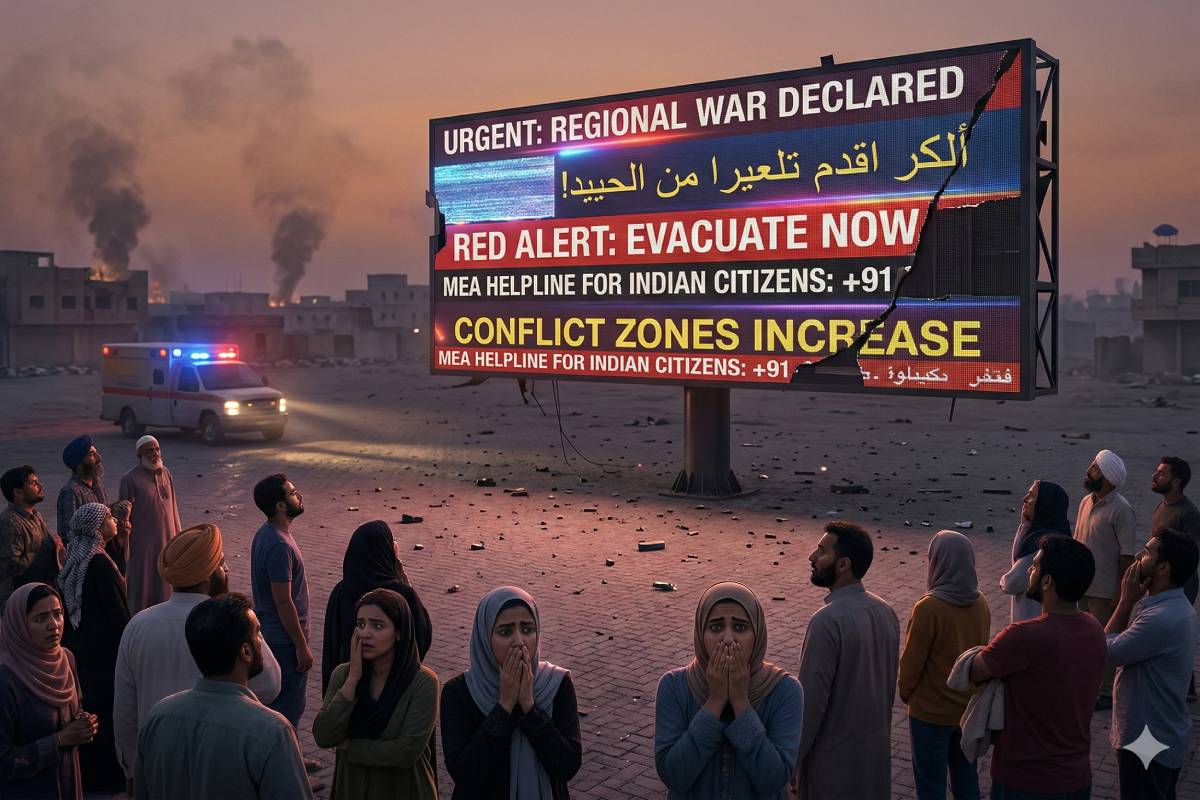
The current congressional debate regarding military action against Iran is not merely a political disagreement; it is a fundamental collision between Article II executive war-making capabilities and Article I legislative oversight. As the House and Senate move toward initial votes, the primary objective is to define the boundaries of "authorized force" in a theater where the distinction between defensive posturing and offensive escalation has functionally collapsed. To understand the strategic implications of these votes, one must look past the rhetoric of "preventing war" and analyze the three structural mechanisms that dictate U.S. interventionism: the expiration of legacy authorizations, the fiscal bottleneck of deployment, and the escalation ladder of regional proxy dynamics.
The Erosion of the 2002 AUMF as a Legal Catch-All
The Authorization for Use of Military Force (AUMF) against Iraq, passed in 2002, has been utilized by multiple administrations as a "zombie statute"—a legal justification for operations that fall outside the original scope of the Iraq War. Congress is currently attempting to repeal or restrict this authority to prevent its application to Iran. The logic of the repeal rests on the Principle of Specificity. Without a specific, time-bound authorization, the Executive Branch must rely solely on Article II "self-defense" claims, which are legally harder to sustain for prolonged campaigns.
The legal friction exists because the executive branch views the 2002 AUMF as a flexible instrument for "regional stability," while constitutionalists view it as a spent cartridge. The upcoming votes serve as a Signaling Mechanism to the Executive: if the 2002 AUMF is repealed, the administration loses its most convenient legal bypass. Any kinetic action against Iranian assets would then require a new, politically costly vote in Congress, or a strict adherence to the War Powers Resolution of 1973, which triggers a 60-day clock for the withdrawal of forces unless sanctioned by the legislature.
The Cost Function of Regional Containment
U.S. strategy in the Persian Gulf operates under a Constant Presence Mandate. This requires a specific allocation of carrier strike groups (CSGs), amphibious ready groups (ARGs), and land-based fifth-generation fighter squadrons. The debate in Congress centers on whether the current budgetary trajectory can support a "maximum pressure" campaign without inducing Force Overstretch.
There are three primary variables in the U.S. cost-benefit equation regarding Iran:
- Attritional Asymmetry: Iran’s defensive doctrine relies on "Anti-Access/Area Denial" (A2/AD) capabilities, such as fast-attack boats and mobile missile batteries. The cost for Iran to deploy these assets is several orders of magnitude lower than the cost for the U.S. to intercept them (e.g., using a $2 million interceptor missile against a $20,000 loitering munition).
- Opportunity Cost of the Pacific: Every destroyer stationed in the Strait of Hormuz is a destroyer unavailable for the Indo-Pacific theater. Congress is weighing the Iran threat against the long-term strategic requirement of countering near-peer competitors in the South China Sea.
- Hydrocarbon Volatility: Any legislative failure to prevent a kinetic exchange risks a "Risk Premium" spike in global oil markets. Congressional analysts are modeling the impact of a closed Strait of Hormuz, which handles approximately 20% of the world’s petroleum liquids.
The Escalation Ladder and the Proxy Threshold
A critical failure in typical reporting is the treatment of Iran as a monolithic actor. In reality, U.S. legislative action must account for the Decentralized Command Structure of the "Axis of Resistance." When Congress debates restricting funds for a war with Iran, they are actually debating the threshold for "Attributable Provocation."
The escalation ladder consists of five distinct rungs:
- Rung 1: Gray Zone Operations. Cyberattacks, maritime harassment, and disinformation. Currently managed through intelligence channels rather than open warfare.
- Rung 2: Proxy Kinetic Actions. Attacks by non-state actors in Iraq, Syria, or Yemen. The U.S. often struggles to define these as "acts of war" by the Iranian state itself, creating a legal gray area for retaliation.
- Rung 3: Targeted Attrition. Direct strikes on high-value military assets or personnel. This is where the 2020 Soleimani strike resided—a high-stakes gamble that tested the "Red Line" of open conflict.
- Rung 4: Symmetrical Infrastructure Strikes. Attacks on energy facilities or naval bases. This level of escalation almost certainly triggers full-scale mobilization.
- Rung 5: Total Theater War. Full invasion or comprehensive regime change efforts.
Congressional votes are designed to lock the U.S. into Rungs 1 and 2 by withholding the logistical and legal framework required to climb to Rung 3 or higher. By mandating that no funds be used for "offensive" operations, Congress creates a Legal Circuit Breaker. This prevents the administration from sliding into a broader conflict via incremental retaliation—a phenomenon known as "Mission Creep."
Strategic Deficiencies in the Legislative Approach
While the intent of these votes is to reassert constitutional authority, the strategy contains two inherent flaws. First, the Deterrence Paradox: By publicly limiting the President’s ability to wage war, Congress may inadvertently signal weakness to Tehran, potentially encouraging the very provocations the legislature seeks to avoid. If an adversary believes the U.S. is legally hamstrung, their risk-taking behavior in the Gray Zone often increases.
Second, the Definition of "Hostilities": The War Powers Resolution does not clearly define what constitutes "hostilities." Does a localized drone strike qualify? Does a sustained cyber campaign against Iranian centrifuges trigger the 60-day clock? Without precise definitions, any legislative victory remains symbolic, as the Executive Branch will continue to exploit the semantic ambiguity of modern warfare.
The Financial Lever: Sanctions vs. Kinetic Force
The debate in the Senate often pits the Economic Warfare Model against the Kinetic Containment Model. The former relies on the Treasury Department's ability to isolate the Iranian Central Bank and restrict the "shadow fleet" of tankers exporting oil to Asian markets. The latter relies on the Pentagon’s ability to project power.
Legislators favoring the economic model argue that sanctions provide a "non-lethal" path to capitulation. However, data from the last decade suggests that sanctions primarily result in Economic Hardening. Iran has developed sophisticated "Sanctions Evasion Ecosystems," utilizing front companies and bartering systems that bypass the SWIFT banking network. Consequently, the congressional focus on sanctions may be reaching its limit of marginal utility, forcing the conversation back toward the military options they are currently voting to restrict.
Quantifying the "No-War" Resolution Impact
If the House and Senate successfully pass a joint resolution forbidding unauthorized combat, the immediate impact is Operational Paralysis for Middle East Command (CENTCOM). Commanders must then operate under "Restrictive Rules of Engagement" (ROE).
In a high-tension maritime environment, restrictive ROE creates a Defensive Lag. A naval commander might be required to wait for a "confirmed launch" before engaging an Iranian battery, significantly increasing the risk to U.S. personnel. This trade-off—sacrificing tactical safety for strategic restraint—is the core tension that many pro-defense legislators cite when opposing the current measures.
The strategic play for the upcoming session is not a simple "Yes" or "No" on war. It is an attempt to rewrite the Terms of Engagement in a way that forces the Executive to treat Iran as a long-term containment problem rather than an immediate military target. To succeed, the legislature must move beyond symbolic votes and pass a new, restrictive AUMF that explicitly defines "defensive action" while sunsetting all previous authorizations. Failure to do so will result in a continued state of Strategic Ambiguity, where the risk of an accidental, unauthorized war remains at its highest since 1979.
The most effective path forward for the U.S. is the establishment of a Bicameral Oversight Committee on Iranian Hostilities that meets monthly to review intelligence and re-authorize specific, narrow deterrent actions. This would replace the current "blank check or no check" binary with a model of Continuous Legislative Consent, aligning 21st-century warfare with 18th-century constitutional requirements.