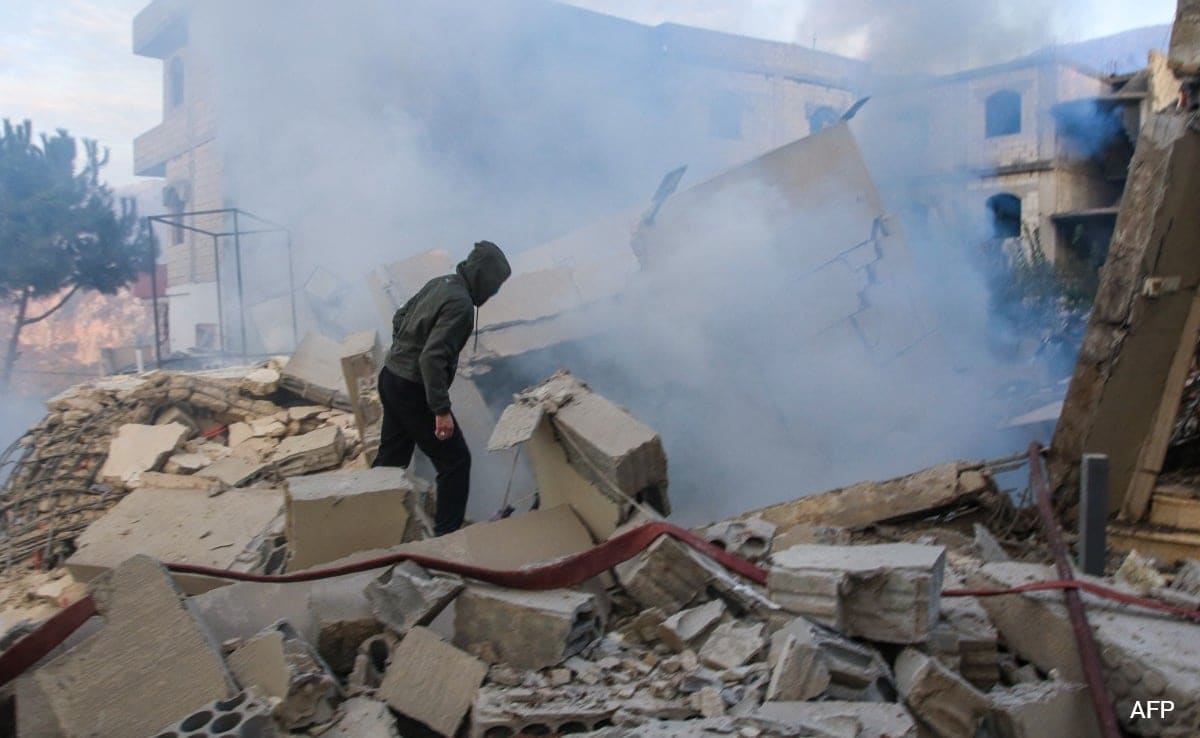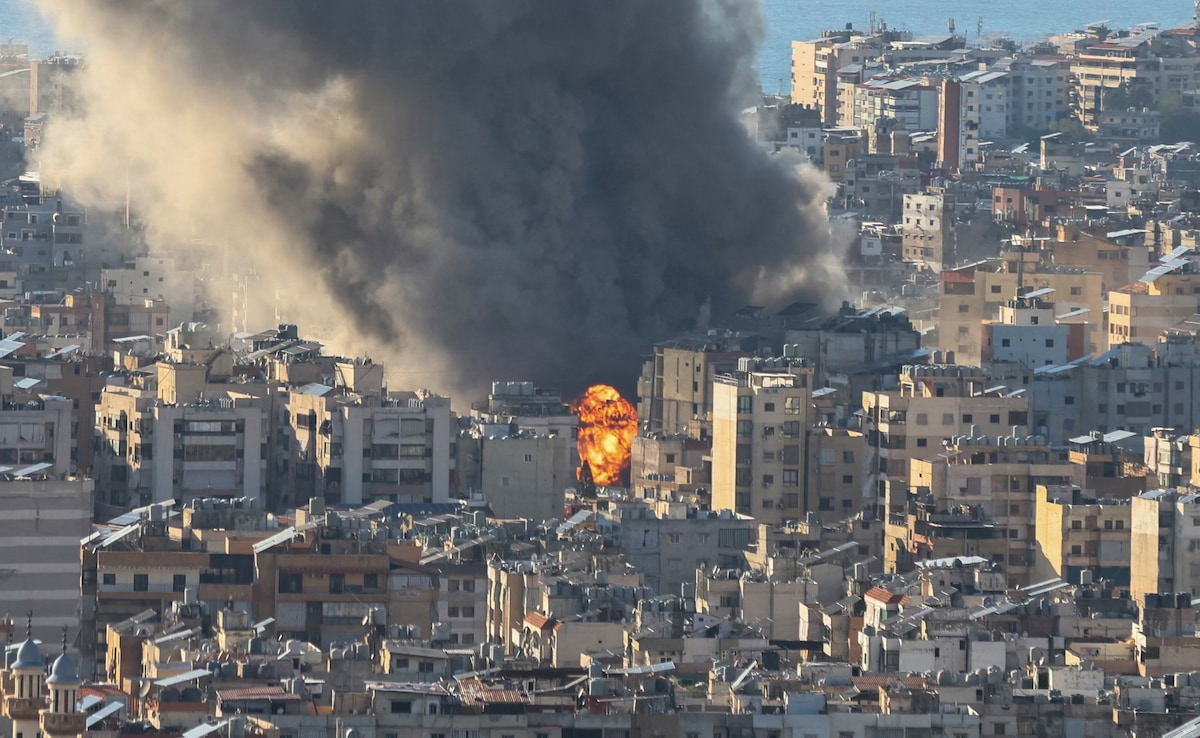
The standard geopolitical analysis of Iraq is lazy, repetitive, and fundamentally wrong. You have read the same "balancing act" narrative for a decade. It paints Baghdad as a fragile, desperate tightrope walker, wobbling between the crushing weight of Washington’s sanctions and Tehran’s paramilitary proxies.
This narrative assumes Iraq is a victim of its geography. It assumes the Iraqi elite are paralyzed by indecision.
They aren't.
What the "balancing" myth misses is that the Iraqi political class has mastered the art of the Strategic Vacuum. By maintaining a perpetual state of "struggle," Iraq’s leadership ensures that neither the U.S. nor Iran can ever truly walk away, nor can either side ever fully take over. They have turned instability into their primary export and their most effective shield.
The Myth of the Iranian Stranglehold
Western analysts love to talk about "Iranian-backed factions" as if they are a foreign virus infecting a healthy body. This is a fundamental misunderstanding of how power functions in the Middle East. These factions are not just "pressures" on the state; they are the state.
When the Coordination Framework or the various PMF (Popular Mobilization Forces) wings influence policy, they aren't "interfering" with Iraqi sovereignty. They are exercising a hybrid form of governance that the West refuses to acknowledge because it doesn't fit into a neat, Westphalian box.
The "struggle" isn't about Iraq trying to push Iran out. It’s about Iraq using the threat of Iranian dominance to keep the U.S. checkbook open.
Consider the energy sector. For years, the U.S. has issued waivers allowing Iraq to import Iranian gas and electricity. Conventional wisdom says Iraq "struggles" to find alternatives. The truth? Iraq has zero incentive to find alternatives. As long as they are "struggling" to diversify, they remain a critical pivot point for U.S. diplomacy. If Iraq suddenly became energy independent, its leverage in Washington would evaporate overnight.
Washington’s Dollar Diplomacy Is a Self-Inflicted Wound
The U.S. Treasury thinks it holds the leash because it controls the flow of dollars to the Central Bank of Iraq. They believe that by tightening the screws on "suspicious transfers" to Iran, they are forcing Baghdad to choose a side.
I’ve watched this play out in boardrooms and diplomatic corridors from Amman to Dubai. The U.S. strategy is built on the false premise that Iraq wants to be a "normal" economy. It doesn't. Iraq’s economy is a sophisticated clearinghouse.
The current "crackdown" on the dollar auctions hasn't stopped the flow of capital; it has simply moved the margins. Every time the U.S. adds a new Iraqi bank to its blacklist, the "spread" between the official exchange rate and the parallel market rate widens. Who benefits from that spread? The very factions the U.S. is trying to squeeze.
By imposing "transparency," the U.S. is actually subsidizing the black market. It’s a masterclass in unintended consequences. Iraq isn't "balancing" U.S. partnership; it is arbitrage-ing it.
The Sovereign Wealth Mirage
You’ll hear economists argue that Iraq needs to "leverage" its oil wealth to build a "robust" private sector. This is a fantasy. Iraq’s private sector is intentionally stunted. A functional, independent middle class is a threat to the patronage networks that keep the current system alive.
The "struggle" against corruption is another curated performance. Corruption in Iraq isn't a bug; it’s the operating system. It provides the glue that keeps the various factions—Kurdish, Sunni, and Shia—from open civil war. They don't fight over ideology; they fight over the percentage of the budget.
When a "reformist" Prime Minister emerges and talks about "clamping down," he isn't trying to fix the country. He is renegotiating the terms of the loot. The West buys into this performance every single time, offering more aid and "technical assistance" to support the "brave reformers."
Stop Asking if Iraq Will Choose a Side
The most common question on the "People Also Ask" circuit is: "Will Iraq eventually lean toward the U.S. or Iran?"
This is the wrong question. It’s a binary trap.
Iraq will never choose. Choosing a side means losing your value. If Iraq becomes a total Iranian satellite, it loses the $1 billion in physical cash the U.S. flies into Baghdad every month. If it becomes a total U.S. puppet, it loses the security guarantees (and the lack of border friction) provided by Tehran.
The "struggle" is the goal.
Why the Status Quo Is the Strategy
- The Security Subsidy: Iraq gets the U.S. to provide high-end counter-terrorism and air support while getting Iran to provide the "boots on the ground" militia muscle.
- The Financial Hedge: Iraq keeps its reserves in the New York Fed (safety) while using Iranian-linked networks to bypass Western financial bureaucracy (speed).
- The Diplomatic Shield: When the U.S. complains about Iran, Baghdad points to the militias. When Iran complains about the U.S. presence, Baghdad points to the need for "training."
The Cost of Realism
Is there a downside to this contrarian view? Absolutely. The downside is that the Iraqi people are the ones paying the "arbitrage tax." They get the crumbling infrastructure, the 50-degree summers without reliable AC, and the hyper-inflated prices for basic goods.
But from the perspective of the people actually running the country—the ones the competitor's article claims are "struggling"—the system is working perfectly. They have managed to make themselves too big to fail for two diametrically opposed superpowers.
If you are waiting for a "pivotal" moment where Iraq finally kicks out the militias or tells the U.S. to leave, you’ll be waiting forever. Those tensions are the fuel that keeps the engine running.
The next time you hear a "foreign policy expert" talk about Iraq’s fragile balance, understand that you are watching a professional poker player convince the table he’s about to go bust, right before he sweeps the pot.
Iraq isn't trapped between two giants. It’s the one holding the door open and charging them both rent.
Stop looking for a resolution. The "struggle" is the most stable thing in the Middle East.
Apply this logic to your next investment or policy analysis: If a problem has persisted for twenty years despite billions of dollars in "solutions," the problem isn't a failure of policy. It's a successful business model.
Stop trying to fix the balance. Start accounting for the rent.