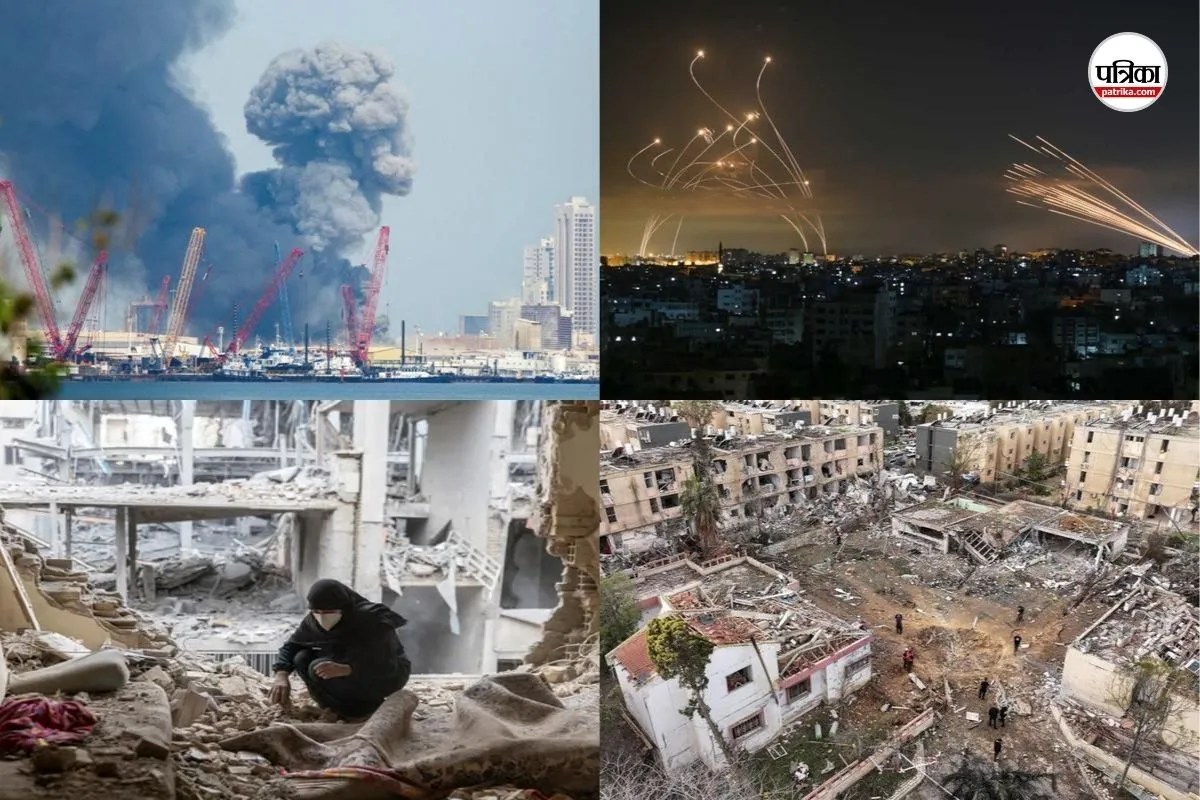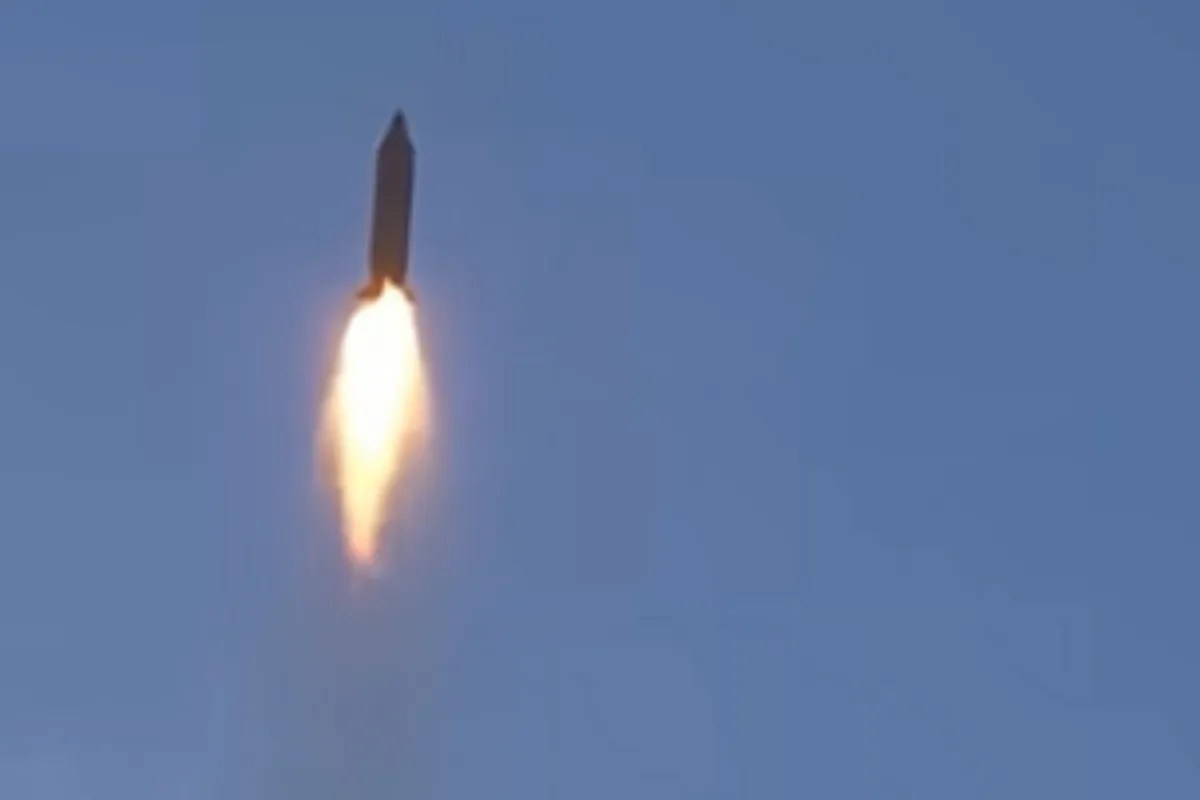
The vibration of a smartphone on a nightstand in a quiet suburb of Ohio shouldn't, by any logical metric, be connected to the trajectory of a drone over the Persian Gulf. But it is. When the screen glows at 3:00 AM with a government alert, the distance between a kitchen table in the Midwest and a missile battery in Isfahan vanishes. Suddenly, the world feels very small and very dangerous.
We often treat international diplomacy like a spectator sport played by people in suits behind heavy doors. We watch the news tickers, see the maps with red arrows, and listen to the sanitized language of "escalation" and "deterrence." Then the State Department issues a "Worldwide Caution," and the abstraction hits the floor. It isn't just news anymore. It’s a shadow following a student on a backpacking trip in Thailand, or a businessman checking into a hotel in Berlin. You might also find this connected article interesting: The $2 Billion Pause and the High Stakes of Silence.
The recent directive from Washington to "exercise increased caution" isn't just bureaucratic boilerplate. It is a confession. It is an admission that the lines on the map no longer provide the protection they once did.
The Anatomy of a Warning
Think of a global travel advisory as a weather report for human hostility. Just as a meteorologist tracks a low-pressure system that might turn into a hurricane, intelligence analysts track the "pressure" of geopolitical friction. When Iran and Israel exchange fire, or when rhetoric between Washington and Tehran reaches a certain frequency, the atmosphere changes. As highlighted in recent reports by The Washington Post, the results are worth noting.
The air gets heavy.
For the millions of Americans living, working, or traveling abroad, this isn't about politics. It’s about the sudden, sharp awareness of their own passport. In times of peace, that dark blue booklet is a key. In times of regional war, it can feel like a target. The State Department's warning specifically points to the potential for "terrorist attacks, demonstrations, or violent actions against U.S. citizens and interests."
It sounds clinical. It isn't.
Imagine a hypothetical traveler—let's call her Sarah. Sarah is a freelance graphic designer currently sitting in a cafe in Istanbul. She’s there because the coffee is excellent and the rent is cheap. She isn't a diplomat. She isn't a soldier. But when her phone pings with the advisory, the cafe feels different. She looks at the door. She wonders if the group at the next table noticed her accent when she ordered her latte. This is the "human element" the headlines miss: the erosion of personal peace.
The Geography of Anxiety
The danger of a conflict between the U.S. and Iran is that it has no fixed front line. Unlike the trenches of the 20th century, this friction is liquid. It flows through digital networks, into crowded marketplaces, and across transit hubs.
When the advisory says "worldwide," it means exactly that. The tension doesn't stay confined to the borders of Iran or the Strait of Hormuz. It ripples. An extremist group in North Africa or a lone actor in Western Europe might see a headline about a drone strike and decide to "even the score" at a nearby tourist landmark.
The facts are sobering:
- The State Department maintains a four-tier system for travel safety.
- Level 4 is "Do Not Travel" (think Afghanistan or Yemen).
- Level 3 is "Reconsider Travel."
- Level 2—where much of the world currently sits—is "Exercise Increased Caution."
Moving from Level 1 to Level 2 is a subtle shift in language that represents a massive shift in global stability. It means the "baseline" of safety has shifted. It means that the "unlikely" has moved into the realm of the "possible."
The Burden of Being a Symbol
There is a specific weight to being an American abroad during these cycles of violence. You are no longer just a person; you are a representative of a superpower's foreign policy, whether you agree with that policy or not.
I remember being in a small village in the Balkans years ago when a different conflict was peaking. I was sitting in a tavern, trying to blend in, when the local television started showing images of U.S. aircraft. The entire room went silent. Every eye turned toward me. I wasn't an official. I was just a guy with a backpack. But in that moment, I was the embodiment of the Pentagon.
That is the "invisible stake" mentioned in the advisory. It’s the loss of the privilege of being an individual.
The advisory tells citizens to "stay alert in locations frequented by tourists." This is a polite way of saying: avoid being a cliche. Don't stand in front of the Eiffel Tower with a giant map. Don't wear your college sweatshirt in the middle of a protest in Athens. It asks people to diminish their presence, to become smaller, quieter, and more observant.
The Digital Ghost in the Machine
We must also talk about the threats that don't involve physical violence. When tensions with Iran spike, the battlefield extends to the silicon in your pocket.
Cyberwarfare is the silent partner of regional conflict. While the State Department warns of physical "demonstrations," security experts are often more worried about "disruptive events." This could be the sudden failure of a banking app while you're trying to pay for a train ticket in Rome, or a massive data breach at an airline that leaves you stranded.
Iran has historically used "asymmetric" tactics. Since they cannot match the U.S. Navy ship-for-ship, they use the tools they have: state-sponsored hacking and proxy networks. For the traveler, this means the risk isn't just a bomb; it’s a blackout. It’s the loss of communication. It’s the digital infrastructure we take for granted suddenly turning brittle because of a decision made thousands of miles away.
The Cost of Constant Vigilance
There is a psychological price to these warnings. If you tell a population to "exercise increased caution" for long enough, the caution becomes a permanent state of being. It changes how we see the world.
Instead of seeing a plaza in Madrid as a place of historical beauty, we begin to see it as a "soft target." We look for the exits before we look at the architecture. We check the news before we check the weather. This is the ultimate goal of geopolitical friction: to make the world feel like a series of hazards rather than a series of homes.
The advisory is a map of our current fractures. It highlights the Middle East, yes, but it also reflects the vulnerability of our interconnectedness. We have built a world where everyone can go everywhere, but we haven't yet built a world where everyone is welcome everywhere.
The Reality of the "Safe" Zone
If you read the fine print of the current global situation, you realize there is no such thing as a "safe" zone—only "managed" zones. The U.S. government isn't telling people to stay home. They know that’s impossible and counterproductive. Instead, they are asking for a higher level of situational awareness.
What does that look like in practice?
It means enrolling in the Smart Traveler Enrollment Program (STEP).
It means having a "Plan B" for leaving a country if the airports close.
It means keeping a low profile on social media.
These are not the actions of a free-spirited explorer; they are the actions of a person navigating a minefield.
Consider the irony: we live in the most technologically advanced era in human history, yet our primary advice for staying safe is "don't look like an American." We have satellites that can read a license plate from space, but we can't guarantee that a teacher from Chicago will be safe walking through a market in Cairo during a week of high-level diplomatic breakdown.
The tension between the U.S. and Iran is a long-running play with many acts. This current advisory is just a scene change. But for the person on the ground, the stage is real, and the props are dangerous.
The advisory is a reminder that we are all tethered to the actions of our governments by an invisible, unbreakable cord. When a leader speaks in a televised address, that cord jerks. Sometimes it’s just a tug. Sometimes it pulls us off our feet.
As the sun rises over another day of uncertainty, the traveler in that Istanbul cafe packs her bag. She checks her phone one last time. She decides to walk the long way back to her apartment, avoiding the main square. She isn't afraid, exactly. She's just... cautious.
The world is still beautiful. The coffee is still hot. The sunset over the Bosphorus is still a masterpiece of light and shadow. But the shadow is a little longer today. The air is a little heavier. And the phone in her pocket continues to hum with the quiet, persistent rhythm of a world that has forgotten how to be still.