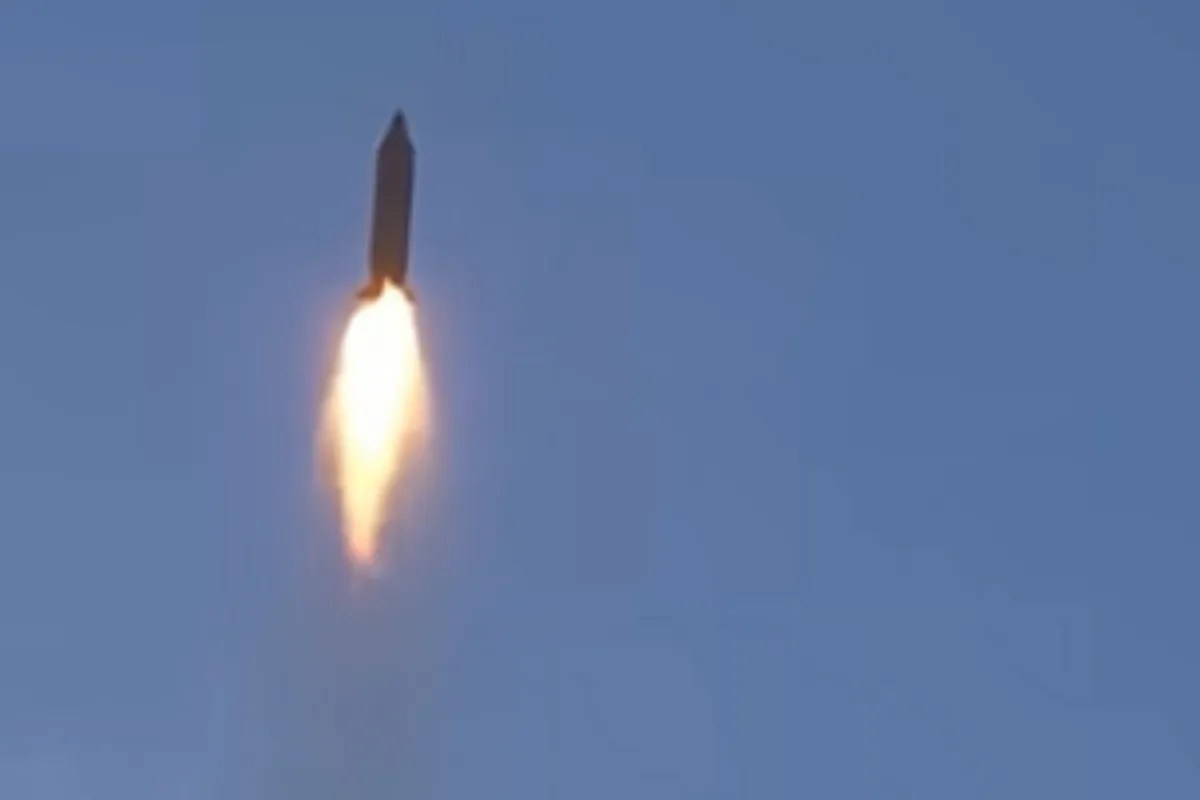
The recent downing of an unmanned aerial system (UAS) by Iranian forces, purportedly of American or Israeli origin, is not an isolated tactical event but a data point in a shifting calculus of regional air denial. This engagement serves as a functional demonstration of Iran's layered "Integrated Air Defense System" (IADS). While media reports focus on the spectacle of the crash footage, a structural analysis reveals a sophisticated three-tiered strategy designed to neutralize the qualitative advantage of Western intelligence, surveillance, and reconnaissance (ISR) platforms.
The Mechanics of Detection and the Electronic Horizon
Effective air defense begins with the physics of the "Radio Cross Section" (RCS). Modern drones, particularly the high-altitude long-endurance (HALE) variants like the MQ-4C Triton or the medium-altitude MQ-9 Reaper, utilize geometry and materials to minimize their signature. However, Iran has invested heavily in "Rezonans-NE" and "Ghadir" radar systems. These operate in the Very High Frequency (VHF) and Ultra High Frequency (UHF) bands, where stealth coatings are less effective due to the wavelength being comparable to the size of the aircraft's structural components—a phenomenon known as resonance. For a deeper dive into similar topics, we suggest: this related article.
The interception process follows a rigid logic:
- Wide-Area Acquisition: Long-range VHF radars detect the presence of a target, even if the precise coordinates are fuzzy due to the inherent lower resolution of long wavelengths.
- Passive Sensor Hand-off: To avoid alerting the drone’s Electronic Support Measures (ESM), Iran often switches to passive infrared or optical tracking. This "silent" detection prevents the drone from initiating defensive maneuvers or electronic jamming until the kinetic phase begins.
- Fire Control Lock: Once the target enters the engagement envelope, high-frequency X-band or S-band radars provide the precise telemetry required for missile guidance.
The Kinetic Threshold and Domestic Missile Evolution
The Iranian doctrine relies on the "Sayyad" and "Raad" series of Surface-to-Air Missiles (SAM). By reverse-engineering legacy systems like the American MIM-23 Hawk and the Russian S-300, Iran has created a modular ecosystem of interceptors. The downing of a high-value asset validates the reliability of the "Khordad-15" system, which utilizes phased-array radar to track multiple targets simultaneously. For additional information on this topic, in-depth coverage can be read at The Guardian.
The cost function of these engagements is heavily skewed. A single interceptor missile costs between $100,000 and $500,000. In contrast, a high-end ISR drone can cost upwards of $100 million. This 200:1 ratio creates a sustainable model for Iranian attrition. By demonstrating that they can successfully engage these platforms, Iran forces the opponent to either withdraw their assets to safer, less effective distances or escalate to more expensive, stealthier, and politically sensitive manned platforms.
Electronic Warfare and the Data Link Vulnerability
Beyond kinetic destruction, the video evidence released by Iranian state media suggests a focus on the "Control Link Architecture." Drones are essentially remote nodes dependent on two primary data streams:
- Line-of-Sight (LOS) Links: Used for takeoff and landing, prone to local interference.
- Beyond Line-of-Sight (BLOS) Satellite Links: Used for mission execution, susceptible to "spoofing" or "jamming."
The vulnerability lies in the Global Positioning System (GPS) or Global Navigation Satellite System (GNSS) signal. If an adversary can overpower the satellite signal with a localized, stronger "fake" signal—a process known as spoofing—they can trick the drone's inertial navigation system into believing it is at a different coordinate or altitude. This was famously demonstrated in the 2011 capture of an RQ-170 Sentinel. Current engagements indicate that Iran has refined these electronic warfare (EW) suites to "blind" the drone's sensors before the final missile impact, ensuring the asset cannot transmit its own destruction data back to its operators.
The Propaganda of Evidence as a Strategic Deterrent
The release of high-definition video of the wreckage serves a psychological and geopolitical function. It acts as "Signaling." In the intelligence community, the ability to recover and display wreckage is proof of operational control over a specific geographic area. It signals to regional neighbors that the "invisible" protection of Western technology is fallible.
This creates a "Denial of Access" (A2/AD) bubble. If an actor knows their billion-dollar surveillance investment can be neutralized by a domestic missile system, the risk-reward ratio for overflights becomes prohibitive. The "gray zone" of conflict is redefined when the cost of entry is no longer just diplomatic tension, but the public loss of sensitive technology and prestige.
Limitations of the Iranian Air Defense Umbrella
While the downing of a drone is a success for Iranian engineers, it does not imply total air superiority. The Iranian IADS has significant bottlenecks:
- Target Saturation: While effective against single or small groups of drones, the systems may struggle against "swarm" tactics where hundreds of low-cost decoys overwhelm the radar's processing capacity.
- Maintenance of High-End Components: Despite domestic production, critical semiconductors and specialized sensors are often sourced through illicit supply chains, creating a fragility in the long-term readiness of their most advanced systems.
- The Manned-Platform Gap: Engaging a drone is politically distinct from engaging a manned fighter. The rules of engagement change when human life is at stake, and Iran’s systems have yet to be tested against the full electronic warfare suites of fifth-generation fighters like the F-35.
Strategic Realignment in the Persian Gulf
The persistence of these incidents indicates that the "Drone War" has entered a phase of technological parity. The previous era of uncontested overflights has ended. For the United States and its allies, the response cannot simply be more drones. It requires a shift toward "Atoms over Bits"—prioritizing resilient, low-cost autonomous systems that can be lost without strategic consequence, or moving ISR capabilities further into the orbital domain where Iranian reach remains limited.
For regional planners, the takeaway is clear: the ability to deny the sky is no longer a superpower monopoly. The proliferation of solid-fuel missile technology and sophisticated signal processing has leveled the field, turning the airspace over the Strait of Hormuz into one of the most contested electronic environments on the planet.
The tactical move for Western forces now lies in the rapid deployment of "Cognitive Electronic Warfare"—AI-driven systems that can detect and adapt to Iranian jamming frequencies in real-time, mid-flight. Without this leap, the attrition of high-value ISR assets will continue to degrade the quality of intelligence available to decision-makers, leading to a permanent blind spot in a volatile region.