Environmental panic makes for great headlines. Tell people a flock of five runaway birds from an Easton estate multiplied into thousands of winged terrorists destroying the Chesapeake Bay, and you get an instant morality play. Conservationists love a clean villain. It gives them something to point a gun at, a grant to apply for, and a simple narrative to feed the public.
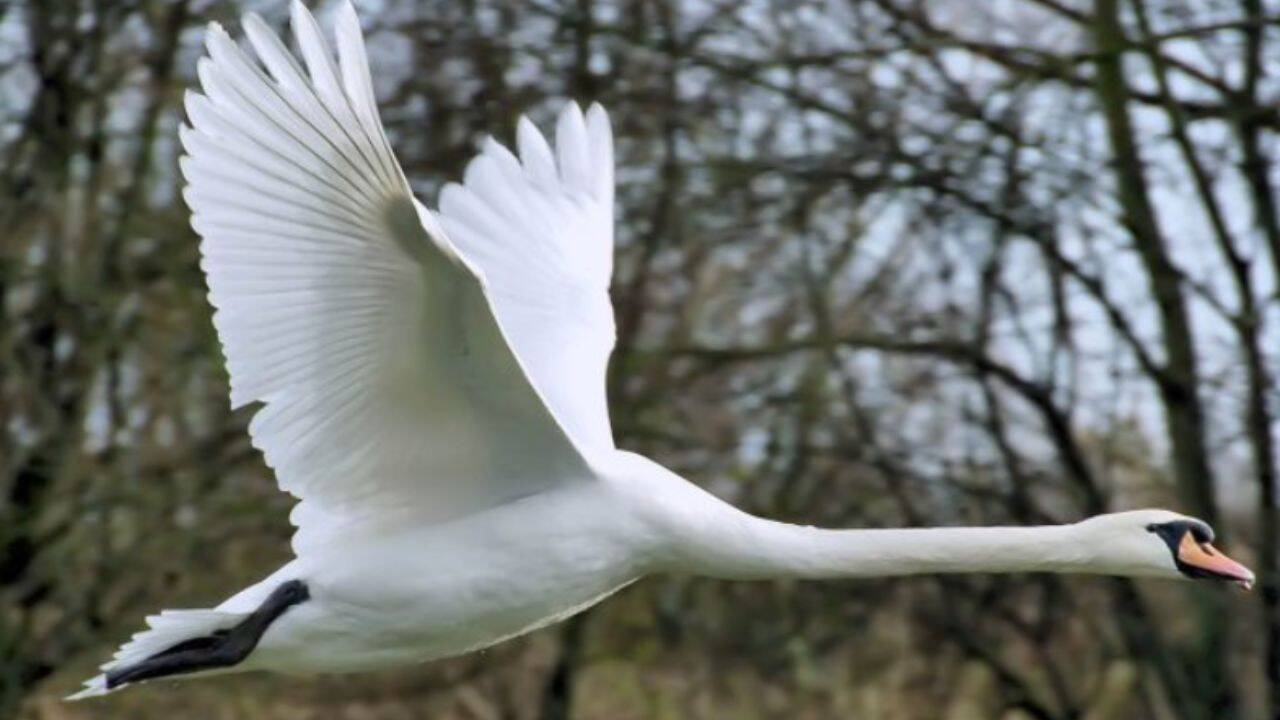
The lazy consensus says mute swans are foreign invaders choking out native grasses and bullying the local wildlife.
It is a convenient lie.
I have spent decades watching agencies mask their own regulatory failures by blaming charismatic megafauna. It is much easier to slaughter thousands of graceful white birds than to admit your zoning laws, agricultural runoff policies, and municipal sewage infrastructure turned an entire estuary into a murky bathtub. We love waging war on nature because nature does not hire lobbyists.
The Myth of the Pristine Native Ecosystem
Let us define terms before we romanticize the past. The idea of a static, perfectly balanced native ecosystem is a fairy tale cooked up by people who skipped high school ecology. Nature is a messy, violent, constant state of flux.
Mute swans arrived in North America in the late nineteenth century, brought over by wealthy Victorians who wanted their country clubs and private ponds to look like European postcards. A few escaped in Maryland in 1962. They did what healthy species do in unfilled niches: they bred.
Critics howl that these birds consume immense quantities of submerged aquatic vegetation, ruining the habitat for native ducks and geese. But pointing the finger at the swan ignores the elephant in the room: industrial agriculture and urban sprawl. Nitrogen and phosphorus from chicken farms and suburban lawns flood the watershed every time it rains. Algae blooms choke out the light. The underwater grasses die not because a swan ate them, but because the water is a toxic soup of fertilizer and chemical runoff.
Blaming the mute swan for the decline of Chesapeake Bay grasses is like blaming a stray dog for the collapse of a dilapidated house while the roof is actively on fire.
The Hypocrisy of Wildlife Management
Wildlife agencies operate under a bizarre double standard. If a species wears feathers and looks picturesque on a calendar, we demand its purity. We treat nature like a museum exhibit where every misplaced organism must be scrubbed out with a shotgun.
State and federal cullers have spent years executing thousands of mute swans from helicopters and boats. They grease their eggs with oil to suffocate embryos before they hatch. They call this science. I call it target practice for bureaucrats who cannot solve actual pollution problems.
Think about the absurdity of this intervention. We spent billions of dollars trying to engineer a sterile paradise while ignoring the concrete parking lots bleeding oil directly into the tributaries. The irony is bitter. Native Canada geese populations have exploded into hundreds of thousands across the exact same geography because suburban retention ponds and fertilized turf grass provide an all-you-can-eat buffet. Yet municipal leaders hesitate to touch Canada geese because hunters value them, whereas mute swans are an easy political punching bag.
Nature does not care about your passport or your taxonomy charts. Ecosystems adapt.
The Ecological Reality of Invasive Species
Let us look at the hard data. Ecologists love to sort species into neat little boxes labeled native and invasive, as if the planet came with an instruction manual stamped in 1492.
Species migrate. They always have. Climate shifts, tectonic plates move, ocean currents drift, and animals hitch rides. The mute swan is no different from the ring-necked pheasant or the brown trout, both of which are celebrated by the very sportsmen who demand the eradication of waterfowl.
In many areas, mute swans have integrated into the local food web. They provide nesting platforms and habitat cover for other marsh species. They fill an ecological vacancy left by historical overhunting of native herbivores. To pretend that ripping out every single mute swan will magically restore the Chesapeake Bay to some mythical seventeenth-century Eden is pure ecological illiteracy.
I have seen agencies blow millions of dollars on eradication programs that achieved nothing except temporary public theater. Within a few seasons, populations bounce back because the underlying habitat conditions favor their survival. You cannot shoot your way out of a eutrophication crisis.
What You Should Be Angry About Instead
If you actually care about the health of the Chesapeake Bay, redirect your rage away from the white feathers gliding across the marsh.
- Stop voting for politicians who cut funding for wastewater treatment plant upgrades.
- Demand strict enforcement of agricultural runoff limits for commercial poultry operations.
- Support restoration projects focused on filtering nutrients before they hit the tidal rivers.
The mute swan is a symptom, not the disease. It is time to stop falling for the oldest trick in the conservation playbook: finding a scapegoat with wings so the real polluters can keep writing checks in the dark.