The desert does not warn you with a knock. It whispers in the distance, a low and heavy rumble vibrating against the soles of your boots long before your eyes can make sense of the horizon.
Picture a narrow slot canyon in Arizona, walls of ancient sandstone rising hundreds of feet straight up, locking a strip of bright blue sky into a jagged ribbon overhead. Down here, the air smells of sun-baked dust and cool, damp stone. It feels ancient. Immovable. Safe, in the way a cathedral feels safe.
Then, the color of the sky changes.
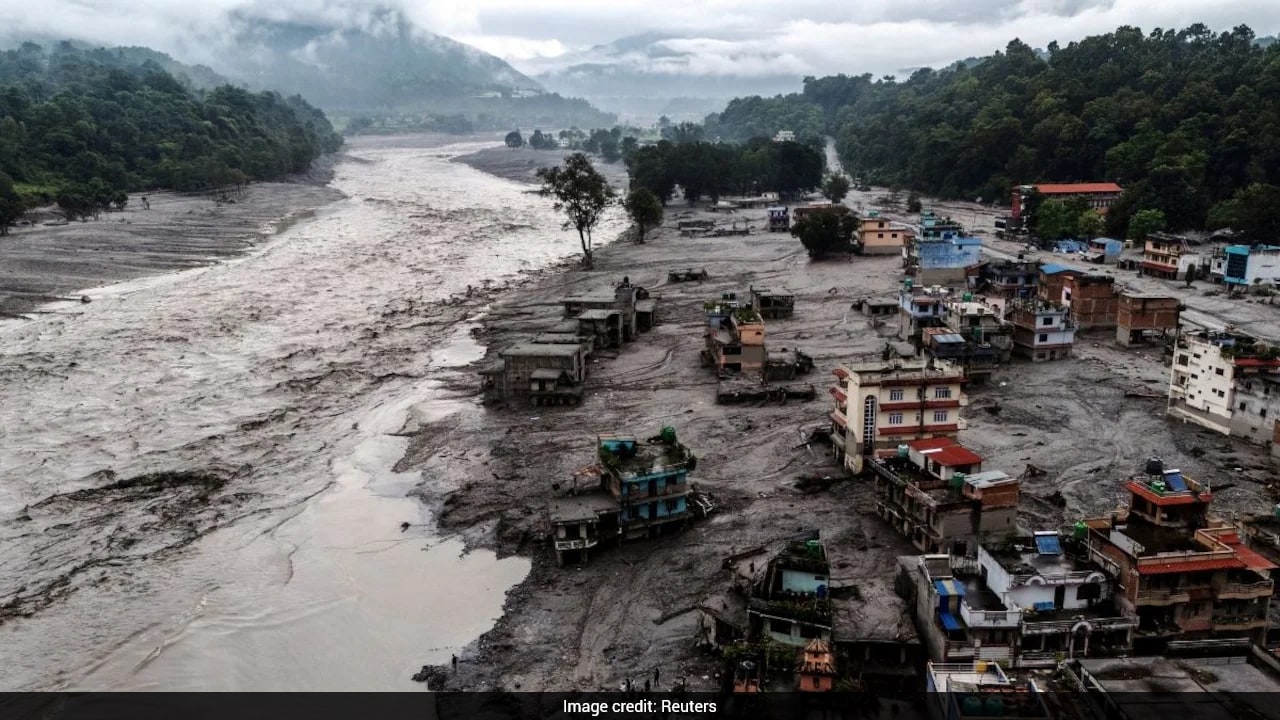
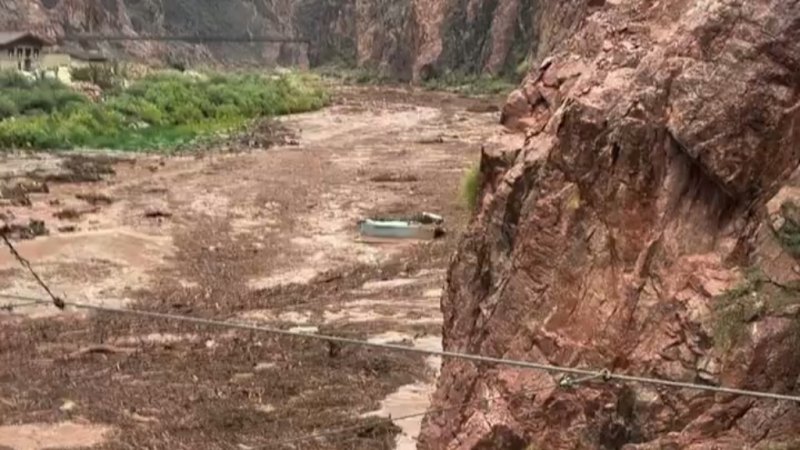
Fifty miles away, a sudden monsoon cloudburst drops inches of rain onto impermeable, sun-baked clay. That water has nowhere to soak in. It gathers, it rushes, it channels into dry washes, turning into a rolling, lethal wall of mud, timber, and debris traveling at the speed of a freight train. It is a flash flood. And in the Grand Canyon backcountry, it transforms a quiet afternoon hike into a desperate fight for vertical survival.
Fifteen hikers were missing.
Those numbers belong to a dry news report, but numbers do not capture the weight of what happens when the canyon floor disappears beneath four feet of churning, chocolate-brown chaos. They do not capture the moment realization hits.
Imagine standing on a ledge just inches wide, fingers pressed flat against weeping red rock, water swirling around your shins and climbing fast. Your pack is gone, swept away in the first violent surge. Your boots feel like lead weights. Every instinct you possess screams to run, but there is nowhere to run. The walls are sheer. The current is merciless.
This is the hidden terror of the American Southwest. Tourists and seasoned backpackers alike chase the sublime isolation of the wilderness, lured by the profound quiet and the staggering beauty of carved stone. We forget that this landscape was forged by water. We forget that the architects of these canyons are still at work.
When emergency dispatch centers receive that breathless, broken satellite phone call about missing hikers in Arizona, an invisible machinery swings into motion. Search and rescue teams do not just look; they calculate. They study drainage basins, rainfall radar loops, and historical flow rates. They know that a storm forty miles upstream is a death sentence downstream if you are caught on the wrong side of a narrow choke point.
Helicopters beat the smoky desert air, rotors kicking up dust as pilots scan the canyon ribbons for a flash of bright nylon or a stranded figure clinging to a high alcove. Hours stretch like rubber bands. Every minute the water stays high is a minute the margin for survival shrinks.
Hypothermia sets in quickly, even in the desert, when you are submerged in mountain-fed runoff. Panic claws at the throat. Yet, human resilience defies the arithmetic of disaster. Hikers forced to scramble up crumbling shale find pockets of refuge they never knew existed. They form human chains. They share body heat as the desert sun dips below the rim, plunging the canyon into freezing, ink-black darkness while the river still roars below them.
When the rescue finally comes—when the steady thrum of rotor blades cuts through the night and a harness drops from the sky—it is not just a recovery. It is a reckoning.
The desert teaches a brutal lesson in humility. It reminds us that we are merely temporary visitors in a domain written in stone and water. We leave our air-conditioned cars, strap on our hydration packs, and seek connection with the wild, forgetting that the wild does not care about our itineraries.
Yet we keep going back. We return to the edge of the abyss because the same raw power that threatens to swallow us whole is what makes the earth feel alive beneath our feet. We respect the rumble now. We watch the sky. And long after we have dried our clothes and returned to the hum of the city, we can still hear the water rising in the dark.