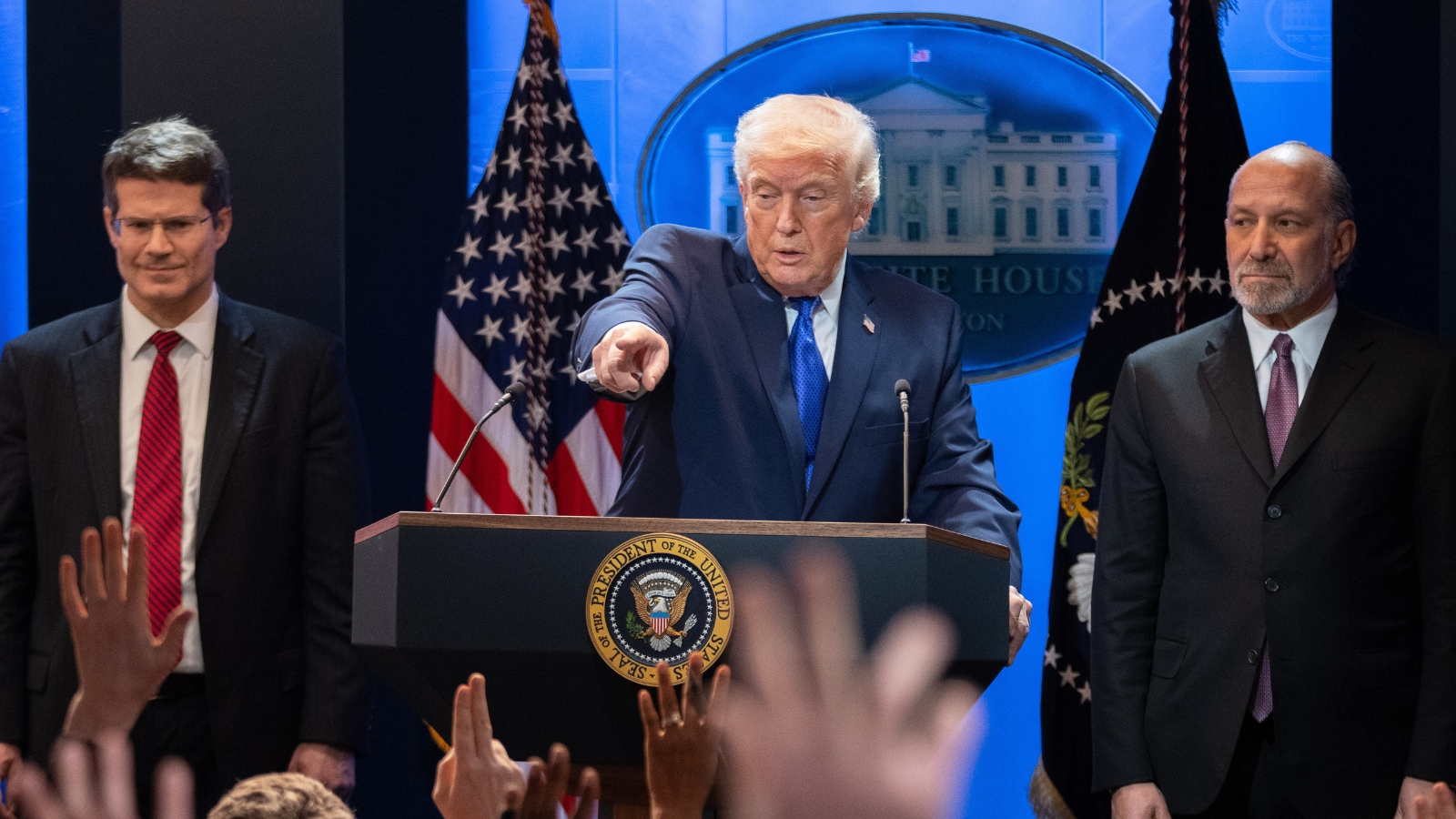
Donald Trump doesn’t do subtle. When the US Supreme Court recently gutted his power to impose sweeping global tariffs, he didn't just issue a polite press release. He went on the offensive, claiming those very same "illegal" tariffs are the only reason India and Pakistan aren't currently a pair of nuclear glass atolls.
It’s a wild claim, even for him. But according to Trump, his threat of a 200 percent tariff on both nations was the "secret sauce" that halted a looming catastrophe in May 2025. He’s basically saying the court isn't just messing with his trade policy—they’re messing with world peace.
The 35 million life boast
Trump’s latest rant centers on a specific conflict from early 2025. After the Pahalgam terror attack in April 2024, tensions between New Delhi and Islamabad boiled over. India responded with Operation Sindoor, targeting terror infrastructure across the border. For a few days, the world held its breath.
Trump claims he stepped in with a simple ultimatum: "Stop fighting, or you’re not doing business with the US." He says he threatened both countries with 200% tariffs (at one point he even claimed 350%).
"I settled eight wars, whether you like it or not, including India-Pakistan," Trump told reporters. "The Prime Minister of Pakistan said I saved 35 million lives. They were getting ready to do some bad things."
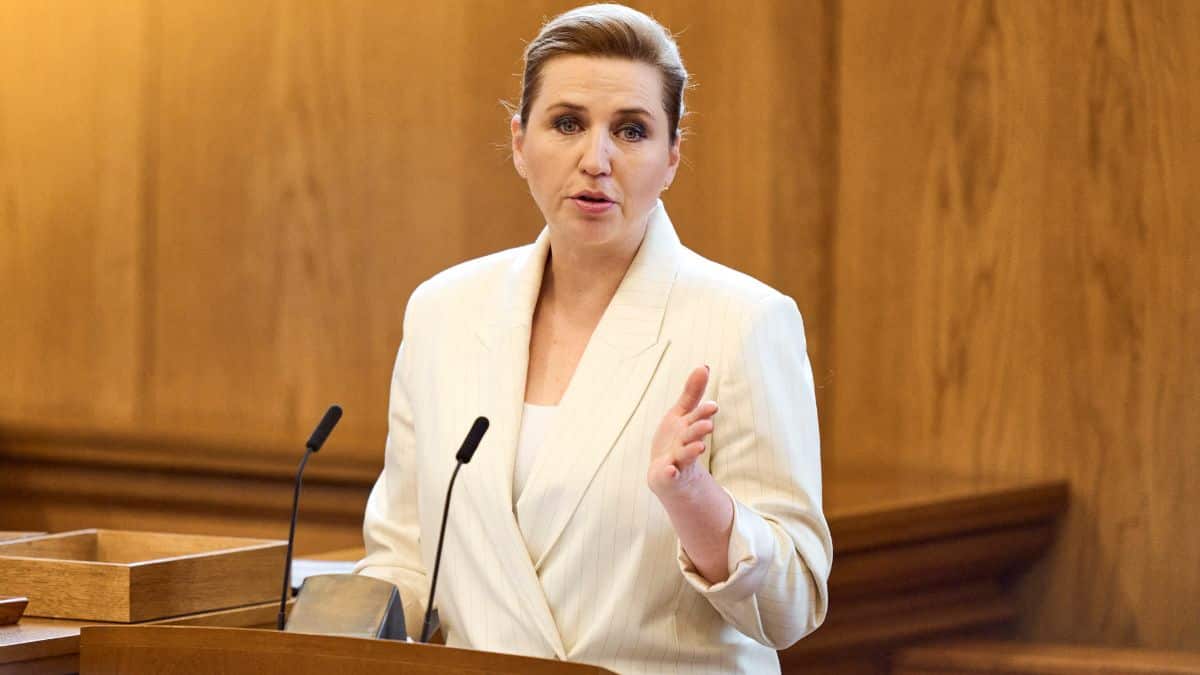
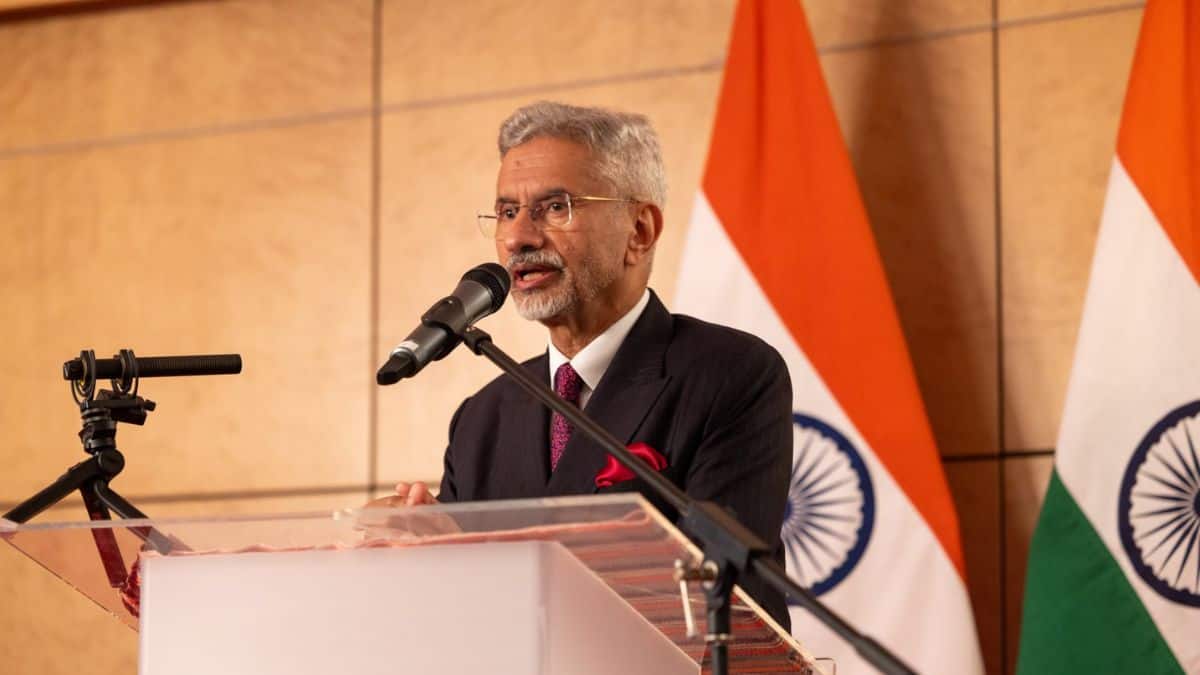
Pakistan’s Shehbaz Sharif actually leaned into this narrative during a "Peace Board" meeting, calling Trump a "savior." But if you ask New Delhi, you’ll get a very different story. India has consistently denied any third-party mediation, insisting the ceasefire was a bilateral agreement handled by the Directors General of Military Operations (DGMOs).
Why the Supreme Court just clipped his wings
The reason Trump is shouting about India and Pakistan right now isn't just about South Asian geopolitics. It’s about a massive legal defeat at home. On February 20, 2026, the US Supreme Court ruled 6-3 that Trump overstepped his authority.
For the last year, Trump has been using the International Emergency Economic Powers Act (IEEPA) of 1977 to slap tariffs on almost everyone—Mexico, Canada, China, and even India. The court essentially said, "Nice try, but no." They ruled that the IEEPA doesn't give a president the power to levy broad, permanent taxes on a whim. That power belongs to Congress.
Trump is predictably livid. He called the ruling "deeply disappointing" and directed his ire at justices he personally appointed, like Neil Gorsuch and Amy Coney Barrett, calling them "an embarrassment to their families."
The fallout by the numbers
- $175 billion: The estimated amount of tariff revenue the US government might have to refund to businesses.
- 17.4% to 6.8%: The projected drop in average US tariff rates now that the IEEPA duties are struck down.
- 150 days: The maximum duration of the "emergency" tariffs Trump is now trying to use under a different, older law (the 1974 Trade Act) to bypass the court.
The "10 planes" discrepancy
Watch the way Trump tells the story, and you’ll see the details shift like sand. One day he says 11 fighter jets were shot down during the India-Pakistan skirmish; the next day it's 10. He’s using these numbers to paint a picture of a full-scale war that he personally aborted.
While it's true that the US played a role in de-escalation behind the scenes—Marco Rubio and the State Department were working the phones—Trump’s version of events turns a complex diplomatic dance into a blunt-force trauma victory for his trade policy. He wants you to believe that "money talks" is the only doctrine that works.
What this means for your wallet
If you’re wondering why this matters beyond the headlines, look at your receipts. These tariffs acted as a massive sales tax on imported goods. With the Supreme Court ruling them illegal, we’re likely to see a temporary dip in prices for electronics, car parts, and clothing.
But don't get too comfortable. Trump is already pivoting. He’s signed a new executive order for a 10 percent global tariff using a different legal loophole (Section 122 of the 1974 Trade Act). It’s a "more complex" way to do the same thing, but it proves he isn't backing down from the idea that trade barriers are his best weapon for both domestic and foreign policy.
The immediate next steps
The legal battle is moving from the Supreme Court back to the Court of International Trade. If you're a business owner who paid these IEEPA tariffs over the last year, you need to act fast.
- Audit your customs entries: Check every transaction involving "emergency" duties from the last 12 months.
- File your protests: Don't wait for the government to offer a refund. You usually have 180 days from the "liquidation" of your entry to demand your money back.
- Watch the 150-day clock: Trump’s new "Section 122" tariffs are legally capped at 150 days. Expect another round of lawsuits the moment day 151 hits.
Trump believes his "peace through tariffs" strategy is the only thing keeping the world from blowing up. The Supreme Court believes the Constitution is more important than his trade deals. Either way, the era of "predictable" global trade isn't coming back anytime soon.