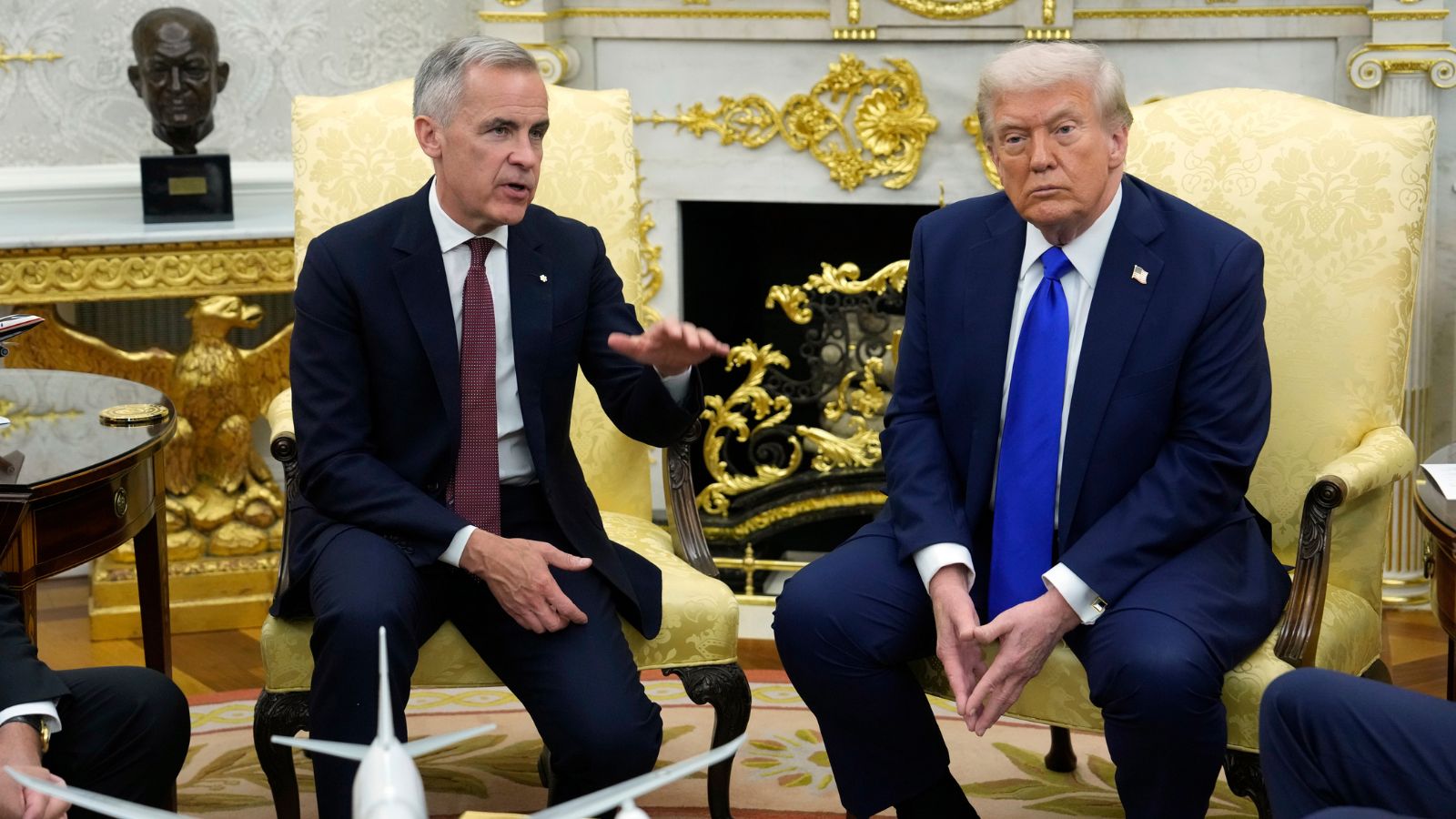
Geopolitical posturing often masks deep structural realities, but when a sitting U.S. president explicitly declares that an adversary is caught in an economic and military freefall, financial and energy markets sit up and listen. Donald Trump recently took to Truth Social to claim that the United States is winning across the board, explicitly singling out Iran and describing its current trajectory as an "Economic and Military Death Spiral".
If you look past the standard political rhetoric, this statement hits on a much larger question. Is Tehran actually facing an existential financial collapse, or is this just another chapter in long-standing psychological warfare? Let's break down the underlying economic numbers and geopolitical shifts driving these dramatic assertions.
The Reality Behind the Maximum Pressure Strategy
Treasury officials in Washington have repeatedly pointed to aggressive sanctions as the primary engine behind Tehran's fiscal strain. According to testimonies from figures like U.S. Treasury Secretary Scott Bessent, rigorous tracking of black-market oil flows, asset freezes, and cryptocurrency seizures have taken a severe toll on the Iranian war machine.
- Inflation inside the country has soared dramatically, with estimates from financial officials placing the rate well past 200 percent.
- The national currency, the rial, has experienced catastrophic depreciation, eroding household purchasing power.
- Reports indicate that a substantial portion of military personnel face severe payment delays or outright payroll failures.
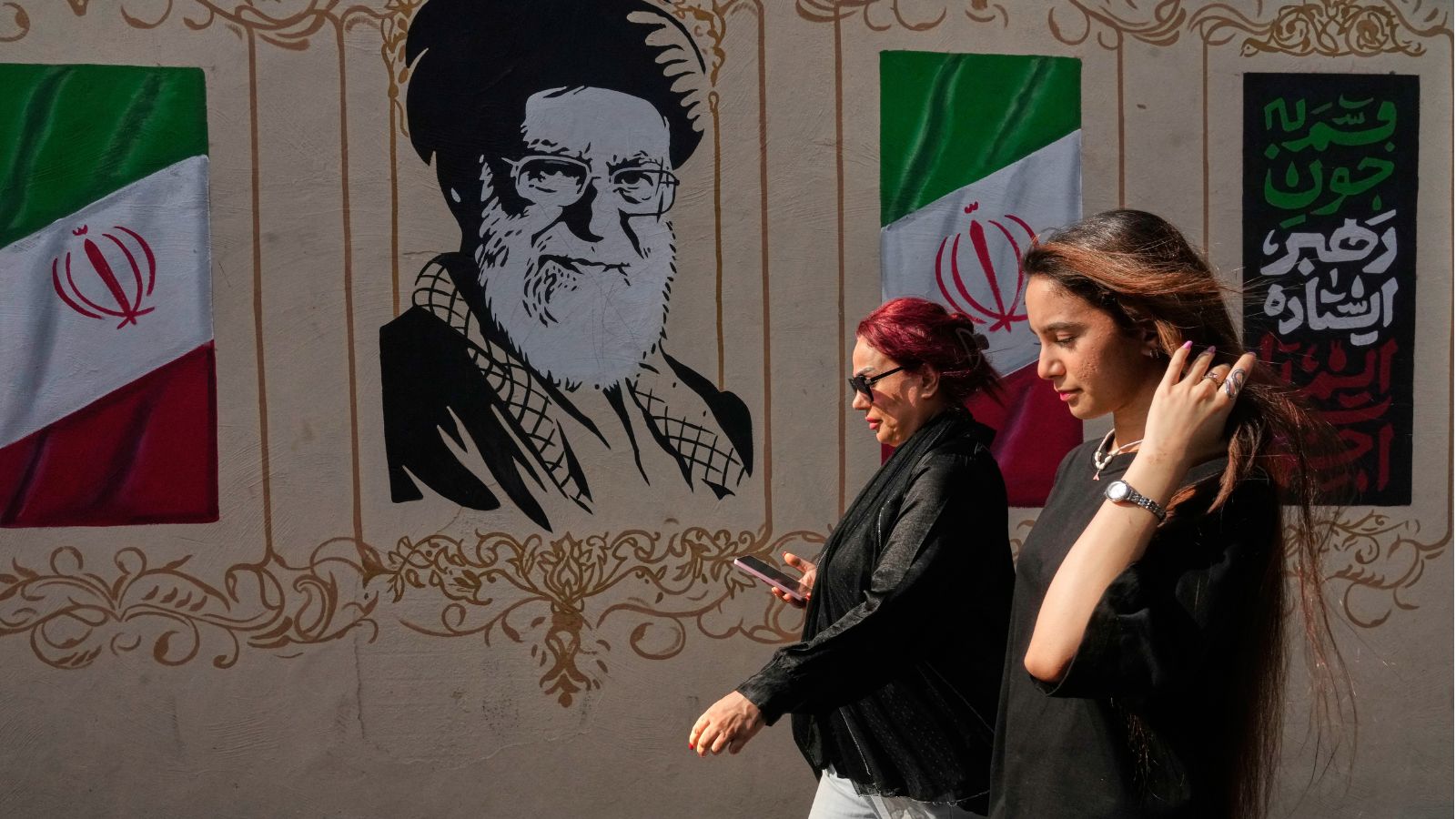
These aren't just abstract numbers thrown around on social media. They translate to empty storefronts, skyrocketing basic food costs, and severe industrial bottlenecks on the ground in Tehran and other major urban centers.
Social Fallout and Domestic Discontent
You can't separate a nation's financial status from the mood of its populace. When living costs spiral out of control, ordinary citizens bear the brunt of the policy failures. Recent polling data emerging from regional surveys paints a bleak picture of everyday life under current conditions. A vast majority of respondents in independent metrics report putting off marriage and starting families entirely due to job insecurity, housing costs, and extreme financial pressure.
When people feel that basic survival is a daily battle, political loyalty wears thin. Years of high inflation combined with repeated waves of anti-government protests have left the ruling structure fighting fires on multiple fronts. Trump's assessment taps directly into this internal vulnerability, framing the regime's domestic survival as an uphill battle against mathematical certainties.
Market Reactions and Global Spillover
Markets rarely panic over a single social media post anymore, but they pay close attention to energy supply chains. Traders understand that Iran holds a crucial geographic card in the Strait of Hormuz, a narrow waterway handling a massive share of global petroleum consumption. Even when financial pressure mounts on Tehran, the threat of localized supply disruptions keeps crude prices volatile and keeps central banks on high alert for broader inflationary shocks.
Investors have learned to watch the actual flow of capital rather than just absorbing political headlines. While Washington highlights frozen assets and crippled export channels, energy analysts warn that financial warfare carries global side effects. A cornered state often responds through asymmetric measures, meaning the standoff affects everything from Asian energy imports to Western equity yields.
Watch Iran's 'Hidden Weapon' Worse Than Missiles? Could One Waterway Trigger Worldwide Economic Collapse to understand how regional energy choke points impact global markets during peak geopolitical tensions.
http://googleusercontent.com/youtube_content/1