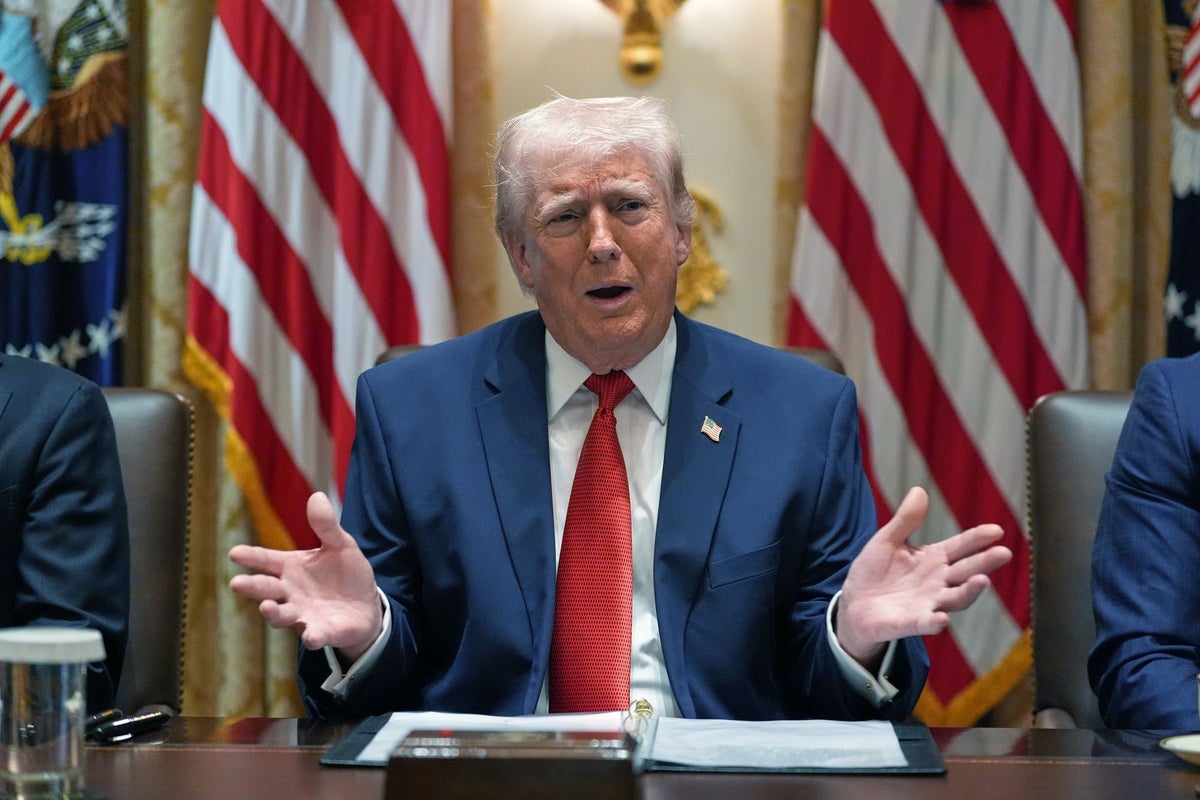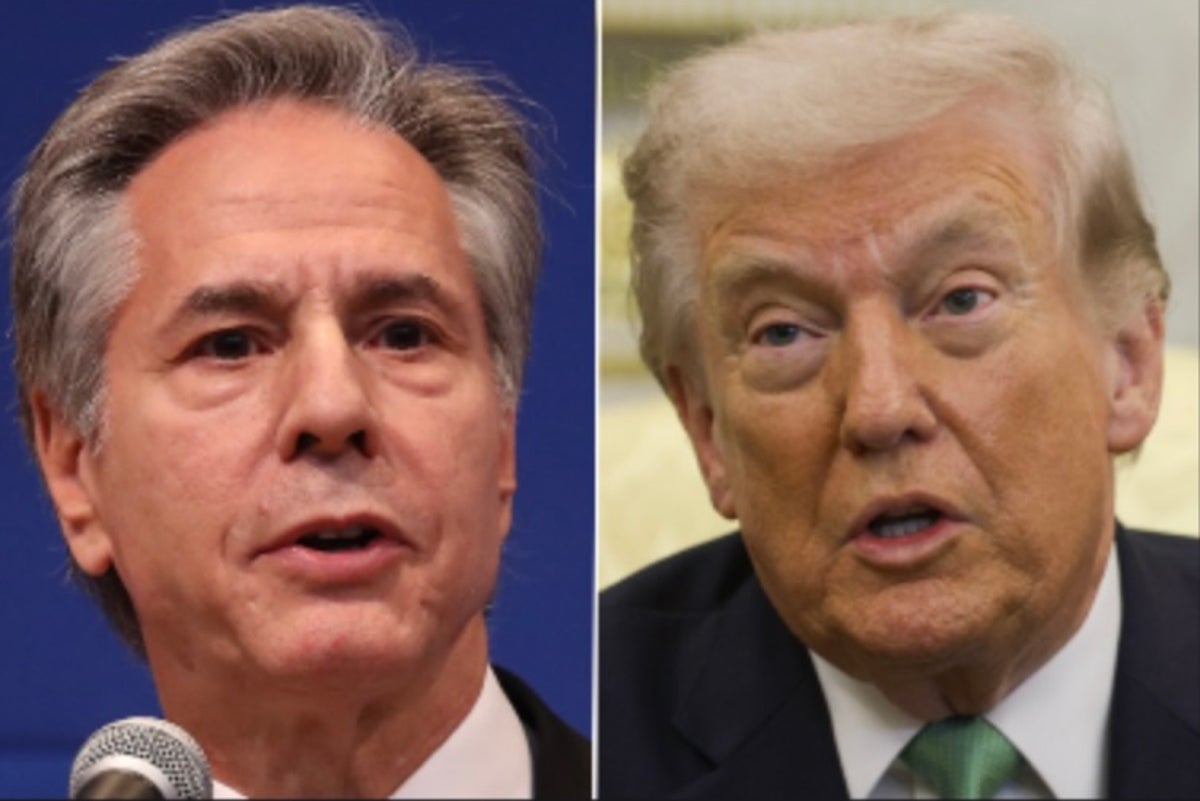
Donald Trump says the "other side" secretly wanted him to pull the trigger on Iran. He’s claimed that even Joe Biden’s top diplomat, Antony Blinken, actually supported the massive U.S. strikes on Iranian nuclear sites back in June 2025. It’s a bold claim that paints a picture of a rare, bipartisan consensus behind one of the most aggressive military moves in recent memory.
There’s just one problem. Antony Blinken says it’s a total fantasy. Read more on a similar issue: this related article.
The former Secretary of State didn't just disagree; he went on the record to clarify that he spent his final months in office trying to prevent exactly what happened. This isn't just a "he said, she said" political spat. It’s a fundamental clash over the history of the 2025 conflict and whether the current administration’s "Epic Fury" campaign was an inevitable necessity or a choice that blew up years of delicate diplomacy.
The Disappearing Middle Ground
When Trump ordered long-range bombers and submarine-launched missiles to hit Isfahan, Natanz, and Fordow on June 22, 2025, he argued that the facilities were "obliterated." He later suggested that the Biden team—specifically Blinken—knew the diplomatic route was a dead end and were "happy" to see someone finally do the dirty work. Additional journalism by The New York Times highlights comparable views on the subject.
Blinken’s reality looks a lot different. Speaking on Christiane Amanpour’s podcast and in recent interviews with Bloomberg, Blinken revealed that Tehran had actually put serious proposals on the table just before the strikes. We’re talking about offers to drop uranium enrichment to below 1% and open talks on their ballistic missile program.
Instead of a "secret endorsement," Blinken describes a situation where the U.S. ignored a massive diplomatic off-ramp. He’s worried that the strikes haven't actually ended the threat but have instead pushed Iran into a corner where they feel they must weaponize to survive.
Did the Strikes Actually Work
Trump’s narrative is that he "finished the job" and saved the world from an Iranian nuke. But if you look at the intelligence assessments from 2025, the "obliteration" might have been more of a "setback."
- The 2-Year Window: Internal Pentagon assessments from July 2025 suggested the strikes delayed the program by about two years.
- The Deep Underground Risk: Blinken’s big fear is that Iran is now burying its remaining tech so deep that no bunker-buster can reach it.
- The Ammunition Crisis: This is the part nobody is talking about. Blinken noted that we’re using $4 million missiles to swat down $2,000 drones. We’re winning the tactical battles but losing the "munitions and markets" war.
If we deplete our high-end stockpiles in a war of attrition with Iran, what happens if things kick off with Russia or China? That’s the strategic nightmare Blinken is pointing to, and it’s a far cry from "supporting" the strikes.
The War of Words Over 2026
Fast forward to today, March 2026. The conflict has escalated into "Operation Epic Fury." Trump is still doubling down, claiming he decimated the Iranian military and no longer needs NATO’s help. He’s basically saying he’s the only one with the "aperture" to see these opportunities.
Blinken, on the other hand, is sounding the alarm about mission creep. He’s pointed out that the current administration doesn't have a clear timeline for exit and is risking a "nation-building quagmire" despite promising the opposite.
Why This Matters for You
This disagreement isn't just for history books. It affects everything from the price of gas at your local station to the likelihood of a wider regional war.
- Energy Prices: If the Strait of Hormuz closes, even for 48 hours, global crude prices will skyrocket.
- U.S. Casualties: We’ve already seen four U.S. service members killed in recent exchanges.
- Diplomatic Credibility: If Blinken is right and a "better deal" was actually on the table in 2025, it means the current path was preventable.
Your Next Steps
To stay ahead of how this conflict affects your world, keep an eye on these specific triggers:
- Watch the Strait of Hormuz: Any reports of Iranian naval "exercises" there usually precede a spike in oil futures.
- Monitor Congressional War Powers: There’s a growing movement in the House to force a vote on the Iran operation. If that passes, it could drastically change the military's footprint.
- Check the IAEA Reports: These are the only objective measures of whether the strikes actually stopped the enrichment or just moved it underground.
Trump and Blinken aren't going to agree on what happened in June 2025 anytime soon. One sees a masterstroke of strength; the other sees a missed opportunity for peace that led to a forever war.