The air in Tsim Sha Tsui usually tastes of sea salt and expensive perfume. It is a place where the neon lights of Nathan Road bleed into the high-end boutiques of Canton Road, a district that serves as the glittering heartbeat of Hong Kong’s luxury commerce. People come here to feel wealthy, or at least to stand near wealth. But at 7:00 PM on a Tuesday, the atmosphere shifted. The humidity didn't just cling to the skin; it curdled.
A high-stakes transaction was supposed to take place in a private office. It wasn't about stocks or digital numbers on a screen. This was about the heavy, tactile reality of physical assets—HK$10 million worth of luxury watches and raw cash. In the world of high-end horology, a Patek Philippe or a rare Rolex isn't just a timepiece. It is a concentrated battery of human labor, history, and portable value. It is also a target.
The victims, two men who believed they were walking into a standard business deal, found themselves staring at the cold, matte finish of steel. Not the polished steel of a watch casing, but the jagged edge of a knife.
The Anatomy of a Sixty Second Nightmare
Imagine the silence of a room when the power dynamic flips. One moment, you are discussing serial numbers and certificates of authenticity. The next, the oxygen seems to leave the room as three men reveal that they aren't there to buy. They are there to take.
The robbers didn't use sophisticated hacking or elaborate decoys. They used the oldest, most primal lever in human history: the threat of immediate, physical violence. They bound the victims. They took the bags. Within minutes, HK$10 million—a sum that represents a lifetime of work for the average person—vanished into the labyrinthine corridors of Kowloon.
This wasn't an impulsive grab. This was a calculated strike on the "grey market" of luxury goods, a sector that thrives on speed and discretion. In Hong Kong, the luxury watch trade is a culture unto itself. It operates in the shadows of the massive flagship stores, in upstairs offices and private lounges where handshakes still mean something—until they don't. When the police arrived at the scene, the air was still heavy with the scent of adrenaline and the metallic tang of fear. The thieves were gone, swallowed by the city's relentless transit system.
The Digital Dragnet and the Human Trail
The Hong Kong Police Force doesn't just walk the beat; they monitor a digital nervous system. In a city with one of the highest densities of CCTV cameras in the world, "disappearing" is a relative term. You don't just vanish; you become a series of data points moving through a grid.
Detectives from the Yau Tsim District began the painstaking process of "scoping." This isn't the flashy, high-speed montage you see in cinema. It is the grueling, eye-straining work of watching thousands of hours of grainy footage. They look for a limp. A specific brand of sneaker. A nervous glance at a watch that doesn't belong on the wearer's wrist.
They tracked the getaway. They saw the transition from the frantic sprint to the forced calm of a man trying to look like just another commuter on the MTR. Behind every crime of this magnitude is a trail of breadcrumbs left by the very human flaws of the perpetrators: greed, haste, and the mistaken belief that they are smarter than the collective memory of the city's surveillance network.
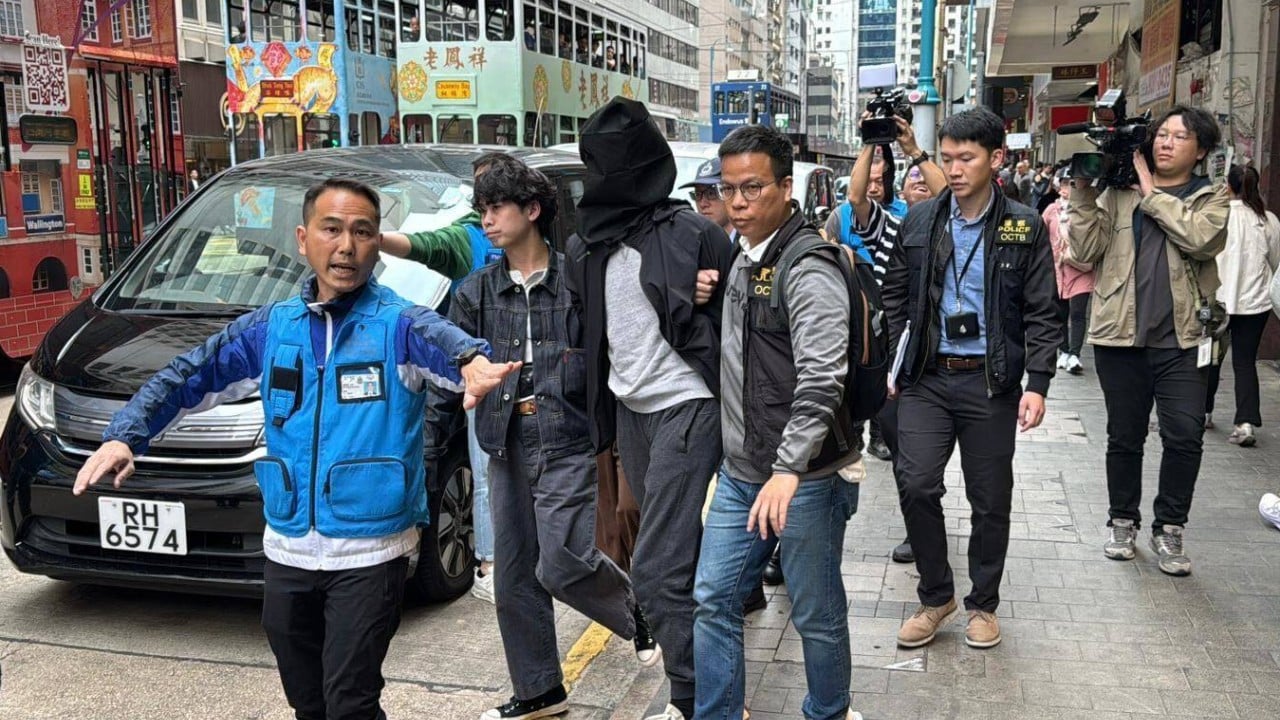
Within 48 hours, the net began to close. The first arrest happened in a nondescript residential flat, far removed from the glamour of Tsim Sha Tsui. Then the second. Then the third.
The Invisible Stakes of a Ten Million Dollar Heist
Why does a robbery in a distant office matter to the person grabbing a coffee three blocks away? Because safety in a global financial hub is an invisible fabric. We only notice it when it tears.
When a knifepoint robbery occurs in broad daylight, or in a secured office building, it sends a rhythmic tremor through the local economy. It changes how business is done. It increases insurance premiums. It forces the "grey market" further into the shadows, making it even more dangerous.
Consider a hypothetical watch dealer—let's call him Mr. Chan. Mr. Chan has spent twenty years building a reputation for sourcing rare vintage pieces. After an event like this, Mr. Chan no longer meets new clients in his office. He installs double-lock magnetic doors. He stops carrying his inventory in a standard briefcase. He looks at every stranger on the street as a potential threat. The "cost" of the robbery isn't just the HK$10 million; it's the erosion of trust that allows a city to function.
The complexity of a mechanical watch movement is a metaphor for the city itself. Thousands of tiny parts must work in perfect synchronization. If one gear—the sense of public order—slips, the whole mechanism grinds to a halt. The police recovery of the suspects was a necessary recalibration of that machine.
The Weight of the Handcuffs
By the time the third suspect was brought into the station, the bravado of the heist had likely evaporated. There is a specific kind of gravity that sets in during an interrogation. The stolen wealth is gone—either hidden, passed to a handler, or rendered untraceable—but the consequences are permanent.
The Hong Kong legal system treats armed robbery with a severity that reflects the city's intolerance for chaos. For the three men arrested, the "HK$10 million dream" has been replaced by the stark reality of a prison cell. They gambled their lives for a bag of metal and paper, failing to realize that in the modern age, the house—the city—always has the better eyes.
But the watches are still missing. The cash has likely been funneled through the underground counting houses that breathe beneath the city's pavement. The victims may get their justice, but the sense of security they lost in that office is much harder to recover. You can't just polish out the scratches left by a knife at your throat.
The investigation continues, branching out into the dark corners of the city where the "fences" and the money launderers wait. The police are now looking for the "mind" behind the "muscle." They know that three men with knives are rarely the beginning and end of a ten-million-dollar story. There is always a shadow behind the shadow.
As the sun sets over Victoria Harbour, the neon lights of Tsim Sha Tsui flicker back to life, indifferent to the drama that unfolded in their glow. The tourists still walk Canton Road. The deals are still being made in the upstairs offices. But for those who know where to look, the city feels a little tighter, a little more watchful, as if it’s holding its breath, waiting to see if the next gear will hold or if the whole clock will finally skip a beat.
One man sits in a quiet apartment, looking at his wrist. He realizes it isn't the gold or the brand that makes the watch heavy. It’s the knowledge of what people are willing to do to take it from him. He unbuckles the strap and puts the watch in a safe. He decides that for tonight, he’d rather not know what time it is.
I can help you analyze the specific security protocols used in Hong Kong’s high-value districts or look into the recovery rates of luxury assets in major metropolitan heists. Would you like me to dive into the logistics of how the Hong Kong Police Force utilizes their integrated "Safe City" surveillance network?