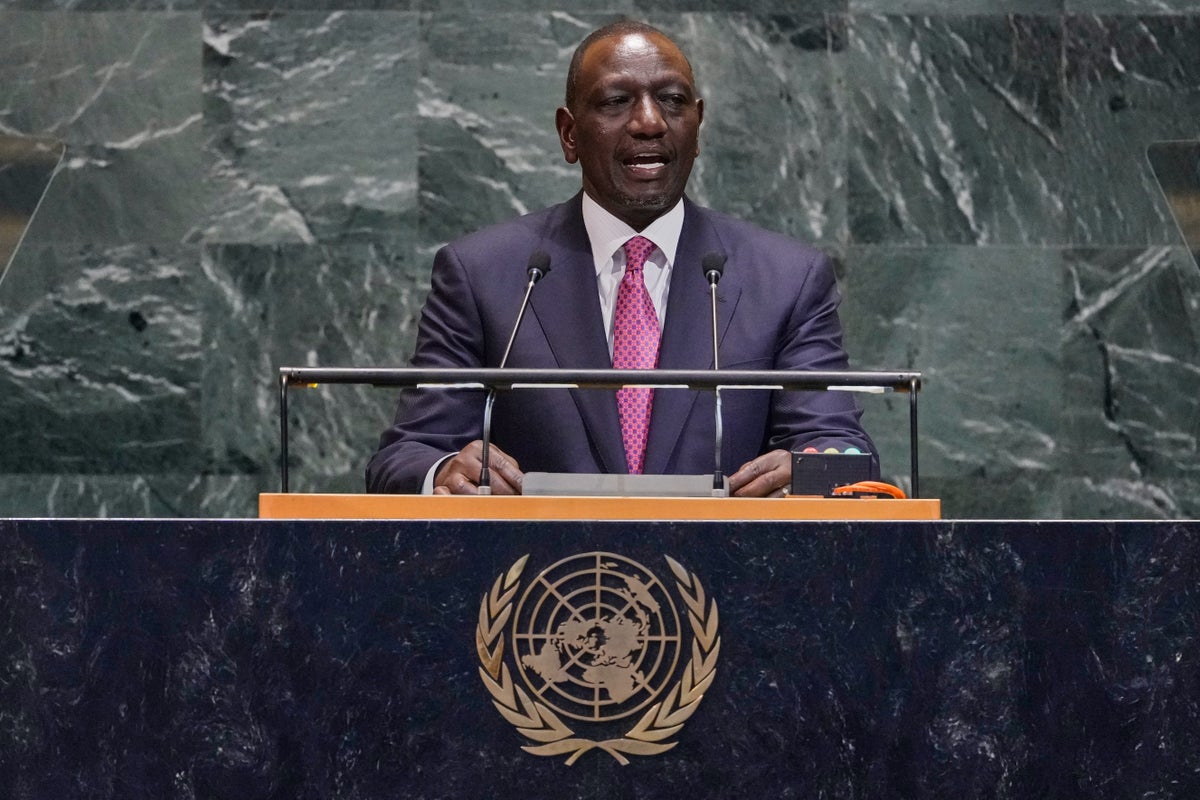
Commercial aviation functions as a high-fixed-cost, low-margin operational matrix where ticket pricing serves as the immediate shock absorber for macroeconomic and geopolitical instability. When public figures attribute surging ticket costs exclusively to political friction or individual leadership failures, that rhetoric obscures the precise economic transmission mechanisms governing global carriers. Jet fuel volatility, airspace routing constraints, and supply chain bottlenecks dictate ticket pricing far more than rhetorical blame implies. Understanding why airfares escalate during periods of international conflict requires a granular examination of operational cost structures, energy commodities pricing models, and yield management algorithms.
The Cost Function of Modern Aviation
Operating a commercial aircraft involves a rigid expenditure distribution where fuel and labor consistently command the largest shares of operational cash flow. Jet fuel, derived directly from crude oil refining, typically accounts for between twenty and thirty percent of an airline's total operating expenses, though this figure fluctuates violently based on geographic region and seasonal demand.
When geopolitical conflicts erupt, particularly in oil-producing regions like the Middle East, commodities markets immediately reprice risk. Traders factor in potential supply disruptions, refinery damage, and maritime transit blockades. This speculative and physical tightening drives up Brent and West Texas Intermediate crude benchmarks, which instantly translates into higher wholesale jet fuel prices. Airlines cannot absorb these cost spikes without eroding operating margins past insolvency thresholds. Consequently, carriers deploy fuel surcharges and adjust base fares upward to protect baseline profitability.
Beyond raw fuel acquisition, routing inefficiencies compound operational expenditures during wartime. Closing sovereign airspaces forces commercial flight paths to bypass conflict zones, adding thousands of nautical miles to long-haul transcontinental routes. Extended flight durations trigger secondary cost multipliers:
- Increased fuel burn per journey due to extended airborne time.
- Higher crew utilization costs under strict regulatory duty-time limitations.
- Accelerated aircraft maintenance cycles driven by increased cycle hours.
These compounded variables transform regional geopolitical friction into a global cost escalation matrix.
Yield Management Algorithms and Capacity Constraints
Consumer perception often frames ticket pricing as an arbitrary markup controlled by airline executives. In reality, modern pricing relies on automated yield management systems designed to maximize revenue per available seat mile. These algorithms respond dynamically to capacity constraints and shifting demand curves.
When geopolitical instability restricts overall market capacity—either through grounded fleets, delayed aircraft deliveries from manufacturers, or extended maintenance turnarounds—supply contracts. If passenger demand remains inelastic, meaning travelers continue booking despite rising costs, automated pricing models automatically elevate ticket prices across remaining inventory buckets.
The aviation manufacturing duopoly of Boeing and Airbus further exacerbates structural capacity limits. Delays in aircraft production and ongoing engine recall programs mean airlines cannot simply inject new capacity into profitable routes to mitigate rising costs. This supply inelasticity creates a market environment where carriers maintain pricing power even as ticket prices climb.
The Transmission Mechanism of Inflationary Pressures
Energy shocks do not remain isolated within fuel budgets. Higher fuel costs ripple outward into airport operational fees, catering services, ground handling contracts, and cargo logistics. Airports face higher energy bills for terminal operations and lighting, costs they pass down to airlines via landing fees and terminal rentals.
Carriers operate with break-even load factors that dictate the percentage of seats they must fill to cover fixed expenses. As input costs rise across every operational category, the break-even threshold shifts upward. To prevent operating at a loss, revenue management teams re-evaluate every seat inventory tier, reducing the availability of discounted early-bird fares and raising the floor for last-minute business travel bookings.
Strategic Fleet and Hedging Realities
Airlines attempt to insulate themselves from commodity volatility using financial instruments known as fuel hedging. By purchasing forward contracts or options contracts that lock in fuel prices at predetermined rates, a carrier can smooth out short-term price spikes.
During prolonged structural conflicts, however, hedging strategies lose efficacy. Forward curves invert, meaning future delivery contracts cost significantly more than spot market prices. Carriers that fail to hedge effectively face immediate margin compression, while those locked into high hedges may miss out if spot prices drop unexpectedly. The financial engineering required to manage this exposure demands immense capital reserves, separating well-capitalized network carriers from regional or low-cost operators operating on razor-thin liquidity buffers.
Capital allocation shifts away from fleet expansion and passenger experience enhancements toward liquidity preservation. Balance sheet defense takes precedence, forcing airlines to pull back on marginal routes and concentrate capacity on high-yield trunk lines where pricing power is strongest.
Operational Execution for the Macro Environment
Navigating sustained ticket price inflation requires distinct tactical adjustments from both enterprise procurement teams and frequent travelers. Corporate travel managers must pivot away from traditional volume-discount negotiations toward dynamic route optimization and blended modal travel policies, substituting short-haul flights with high-speed rail where infrastructure permits.
Airlines will continue to treat fare adjustments as an automatic reflex to external cost shocks rather than a discretionary policy choice. Until manufacturing bottlenecks ease, alternative aviation fuels achieve cost parity, and geopolitical stability returns to primary energy corridors, structural price floors for commercial air travel will remain elevated.
Virgin Blames Airfare Surge on 'Foolish Leaders' Wars
This article provides direct context regarding how industry executives frame geopolitical cost pressures versus the underlying economic realities of fuel surcharges and market mechanics.