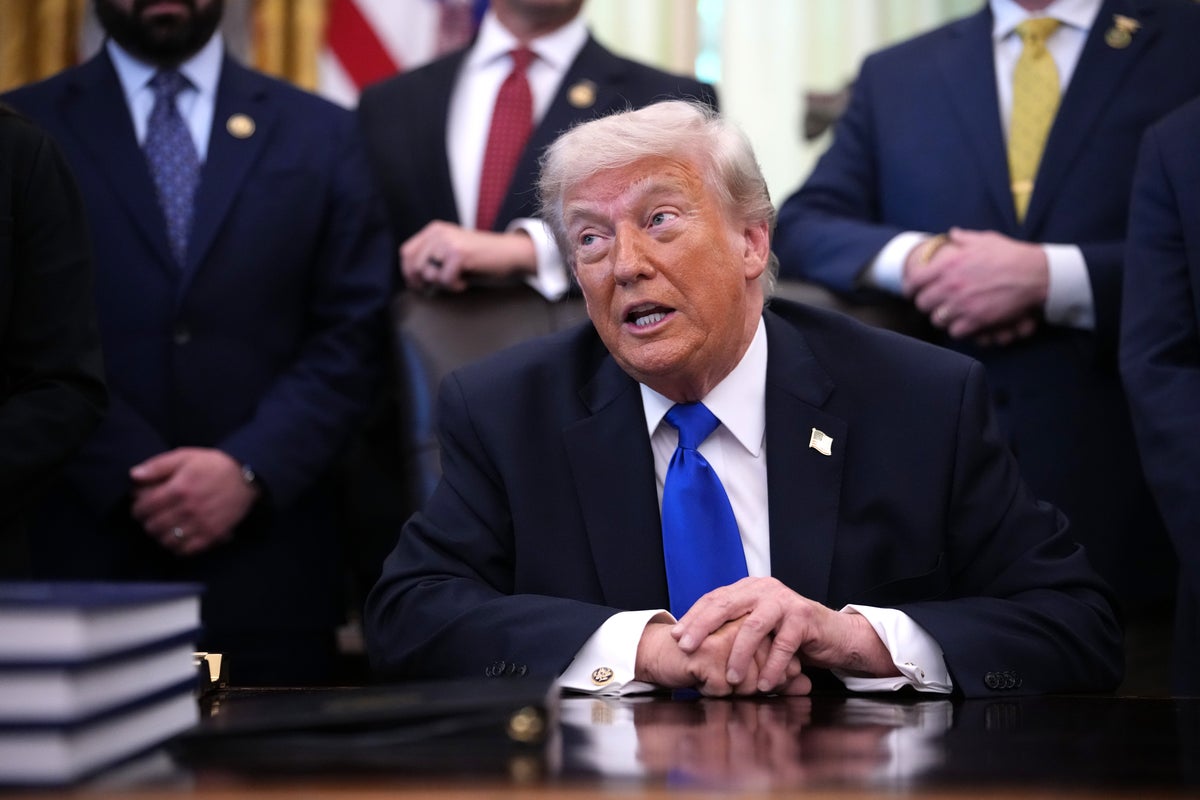
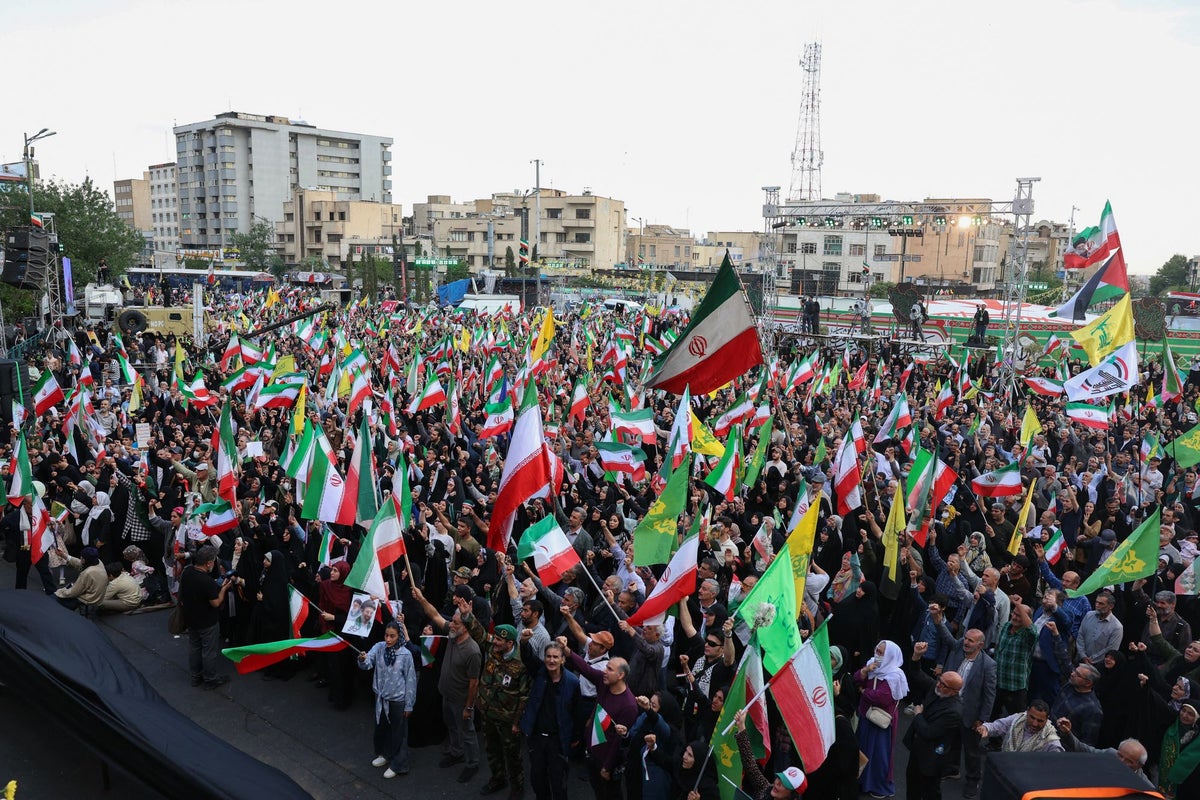
The fragile two-week ceasefire between the United States and Iran, intended to halt a month of direct military conflict, collapsed within hours this Wednesday as Tehran once again choked off the Strait of Hormuz. The immediate catalyst was a massive wave of Israeli airstrikes across Lebanon that killed 182 people in a single day, the deadliest escalation since the regional war began in late February. By shutting down the world’s most critical energy artery, Iran is signaling that it will not accept a "de-coupled" peace—one where its own borders are safe while its primary proxy, Hezbollah, is dismantled by Israeli power.
This move has effectively trapped millions of barrels of oil and sent global markets into a tailspin. While the White House and President Trump previously touted a "victory" in securing a pause in hostilities, the reality on the water tells a different story. Iranian state media, specifically Press TV, confirmed that the Islamic Revolutionary Guard Corps (IRGC) has closed the channel to all tankers, demanding that Israel cease its operations in Lebanon as a condition for reopening.
The Lebanon Loophole
The primary reason this ceasefire disintegrated so rapidly lies in its original drafting. Negotiated in the shadow of a U.S. deadline and threats of strikes on Iranian energy infrastructure, the deal was fundamentally asymmetrical. Washington and Tehran agreed to a pause in direct strikes on each other’s soil, but the fine print regarding Lebanon remained a chasm of disagreement.
Israeli Prime Minister Benjamin Netanyahu has been explicit: the deal with Iran does not cover the war against Hezbollah. To Israel, the campaign in Lebanon is a separate existential necessity, unrelated to the direct skirmishes with the IRGC. Tehran views this as a strategic trap. They believe the U.S. is providing a diplomatic shield for Israel to finish off the "Axis of Resistance" one member at a time. By closing the Strait, Iran is attempting to force the U.S. to restrain Israel, using the global economy as a hostage.
Market Volatility and the $128 Barrel
The economic fallout is no longer a theoretical risk. It is a present-day reality. Brent crude spot prices, which had already climbed to $103 per barrel in March, spiked toward $128 in early April as the "effective closure" of the Strait became permanent. The U.S. Energy Information Administration has been forced to scrap its previous 2026 forecasts, now projecting an average price of $96 per barrel—a staggering jump from the $78 predicted before the war.
The Strait of Hormuz is not just another shipping lane. It is a 21-mile-wide chokepoint through which 20% of the world’s petroleum liquids pass. While Saudi Arabia and the UAE have pipelines that can bypass the waterway, their combined capacity of roughly 6.5 million barrels per day is a drop in the bucket compared to the 20 million barrels that typically transit the Strait.
Logistics giants like Hapag-Lloyd have already reported container vessels stranded in the Persian Gulf. For these companies, the "opening" of the Strait is not a binary switch. Even if Iran declares it open tomorrow, the presence of mines, the threat of drone swarms, and the astronomical cost of war-risk insurance mean that traffic will not return to normal for months.
Tactical Shifts on the Ground
Beyond the maritime blockade, the nature of the conflict has evolved. Investigative looks at recent IRGC strike packages reveal a shift in tactics. Iran is no longer just lobbing older ballistic missiles; they are increasingly utilizing high-precision cruise missiles at a rate never seen before. These weapons are harder to intercept and have been directed at regional infrastructure in Kuwait, Qatar, and Saudi Arabia, likely as a warning to those harboring U.S. assets.
In response, the Israel Defense Forces (IDF) have moved from targeting missile sites to "sealing" the geography of the conflict. Recent operations have focused on mountain tunnel entrances in Iran’s Kurdistan Province. The goal is simple: trap the mobile launchers inside their underground hangars before they can reach firing positions. It is a game of high-stakes "whack-a-mole" played with bunker-buster bombs and satellite intelligence.
The Credibility Gap
The geopolitical tragedy of the current moment is the total lack of a shared reality between the combatants. In Washington, the administration presents the ceasefire as a generous off-ramp for a battered Iranian regime. In Tehran, state media portrays the U.S. rescue of downed F-15E crewmembers as a humiliating retreat and claims the ceasefire was a "victory" for their persistence.
This disconnect makes further diplomacy almost impossible. When both sides believe they are winning, neither has an incentive to make the painful concessions required for a permanent peace. Iran’s demands—the withdrawal of U.S. forces from the Middle East and the lifting of all sanctions—remain non-starters for the Trump administration. Meanwhile, the U.S. demand for a "complete, immediate, and safe" opening of the Strait is something Iran refuses to grant as long as Beirut is under fire.
The closure of the Strait of Hormuz is not a defensive military move. It is a desperate economic gambit by a regime that knows it cannot win a prolonged conventional war against the combined weight of U.S. and Israeli air power. By turning off the world's oil tap, Tehran is betting that the resulting global outcry will do what its missiles cannot: force a halt to the Israeli advance.
But as tankers sit idle and fuel prices at the pump begin to climb in an election-sensitive environment, the pressure on Washington to move from "deterrence" to "dismantlement" grows. The "two-week" pause is effectively over, and the next phase of this conflict will likely be defined by a direct confrontation over the freedom of navigation—a fight that neither side can afford to lose, but which neither side seems capable of avoiding.
The immediate path forward requires a choice: either Lebanon is brought into the diplomatic fold, or the Strait remains a graveyard for global trade.