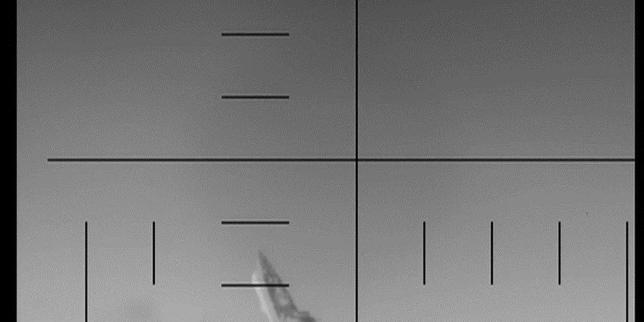
The headlines are bleeding with a singular, lazy narrative. They claim the U.S. Navy’s destruction of the Iranian frigate Dena in the Persian Gulf has "embarrassed" New Delhi. They argue that India, caught in a diplomatic squeeze between its "strategic partner" in Washington and its "civilizational friend" in Tehran, is now paralyzed.
They are wrong. Discover more on a similar subject: this related article.
This is the classic mistake of viewing geopolitics through the lens of a dinner party invitation. In the brutal reality of maritime power, the sinking of the Dena is not a social gaffe for India. It is a massive structural relief. While the pundits weep over India’s "awkward position," the naval planners in New Delhi are quietly exhaling.
The Dena was never just a ship. It was a symbol of the very instability that threatens India’s energy security and its aspirations to be the primary net security provider in the Indian Ocean Region (IOR). If you think this "stretches the battlefield" to India’s detriment, you don’t understand the math of the sea. Further reporting by BBC News delves into related perspectives on the subject.
The Myth of the Neutrality Trap
The "embarrassment" thesis relies on the idea that India must maintain a perfect, static balance between the West and the Global South. It suggests that every U.S. kinetic action against an Indian partner is a personal affront to New Delhi’s autonomy.
I’ve seen this brand of analysis fail for decades. It treats India like a fragile entity that cannot handle friction. In reality, India’s "Multi-alignment" strategy is built to thrive on this exact type of chaos.
When the U.S. removes a disruptive Iranian asset from the board, it does the heavy lifting that India cannot do itself without ruining its relationship with Tehran. It’s the ultimate strategic outsourcing. India gets a more stable Gulf—essential for the millions of Indian expats and the 80% of its oil imports that transit those waters—without having to fire a single shot or sign a single execution order.
The Dena Was a Liability for New Delhi
Let’s talk about what the Dena actually represented. This wasn’t just a frigate; it was a primary tool for Iranian power projection that frequently harassed commercial shipping.
Imagine a scenario where an Iranian-backed militia or a rogue IRGC element targets an Indian-flagged tanker. India is then forced into a nightmare: do they retaliate against a "friend" and kill the International North-South Transport Corridor (INSTC)? Or do they look weak and let their sailors die?
By sending the Dena to the bottom, the U.S. eliminated a variable that was eventually going to force India’s hand. The "embarrassment" is a temporary PR headache. The tactical benefit is permanent.
The Indian Navy is Not a Subsidiary
The critics argue that U.S. aggression in the Gulf forces India to pick a side. This ignores the massive expansion of the Indian Navy’s own footprint. From the Red Sea to the Gulf of Aden, India has deployed more than ten warships recently to combat piracy and drone strikes.
Does this look like a country "embarrassed" by maritime kinetic action?
India is currently running its own shadow war against instability. When the U.S. strikes, it creates a "bad cop" dynamic that allows India to play the "stabilizing mediator." New Delhi can condemn the "escalation" in public to keep Tehran happy, while privately enjoying the fact that the Persian Gulf just became 1,500 tons lighter in terms of hostile naval hardware.
Logistics vs. Sentimentality
The loudest voices complaining about this event are focused on the "Look West" policy and the Chabahar Port. They claim that U.S. aggression will make Iran spike the Chabahar project, India’s golden gateway to Central Asia.
This is a fundamental misunderstanding of Iranian desperation.
Iran needs India more than India needs Iran. With its economy in a vice and its naval assets being picked off, Tehran is not going to blow up its only viable commercial exit strategy because of a lost frigate. Tehran understands the rules of the game: the U.S. is the enemy, but India is the customer. Customers don't get punished for the actions of the landlord.
The Real Shift: Intelligence Over Hardware
The sinking of the Dena also highlights a massive technological gap that the Indian defense establishment is currently racing to fill. The U.S. used advanced sub-surface and electronic warfare suites to neutralize a modern Iranian vessel.
For the Indian Navy, this isn't an embarrassment; it’s a masterclass. It provides a data set on how to handle asymmetric threats in congested waters. While the diplomats are busy drafting "deep concern" memos, the technicians at the Integrated Headquarters of the Ministry of Defence are analyzing the kill chain.
The Cost of the "Lazy Consensus"
If India followed the advice of the "neutrality at all costs" crowd, it would become a geopolitical ghost—present in the room but unable to influence the outcome.
- Energy Security: A contested Gulf means higher insurance premiums for Indian tankers. Anything that reduces the threat of maritime skirmishes—even a sinking—is a net win for India’s GDP.
- The China Factor: Every moment the U.S. spends focused on Iran is a moment they aren't fully focused on the South China Sea. India knows this. If India truly wanted to "embarrass" the U.S., they would be demanding more American focus on the Pacific, not less.
- The BRICS Paradox: India is often lumped in with Iran via BRICS+, but the two countries have vastly different goals. Iran wants to burn the current maritime order down. India wants to own it. You cannot own a house that is currently on fire.
Stop Asking if India is Offended
The "People Also Ask" section of the internet is currently flooded with queries about whether India will distance itself from the U.S. over this.
The question itself is flawed.
India doesn't operate on "offense." It operates on interest. The interest of the Indian state is to keep the sea lanes open by any means necessary. If the U.S. wants to take the international heat for being the "aggressor" while keeping the oil flowing, India will gladly let them.
The Dena is at the bottom of the ocean. The Indian Navy is still in the Gulf. The oil is still moving.
If this is what "embarrassment" looks like, India should hope for more of it.
The era of India as a passive observer of Great Power friction is over. New Delhi is now a sophisticated user of that friction. It doesn't need to choose between Washington and Tehran when it can simply sit back and watch the U.S. Navy act as its unintended maritime security contractor.
The battlefield isn't being "stretched" to embarrass India. It is being cleared.
Get used to the silence at the bottom of the Gulf. It’s the sound of a clearer path for Indian trade.