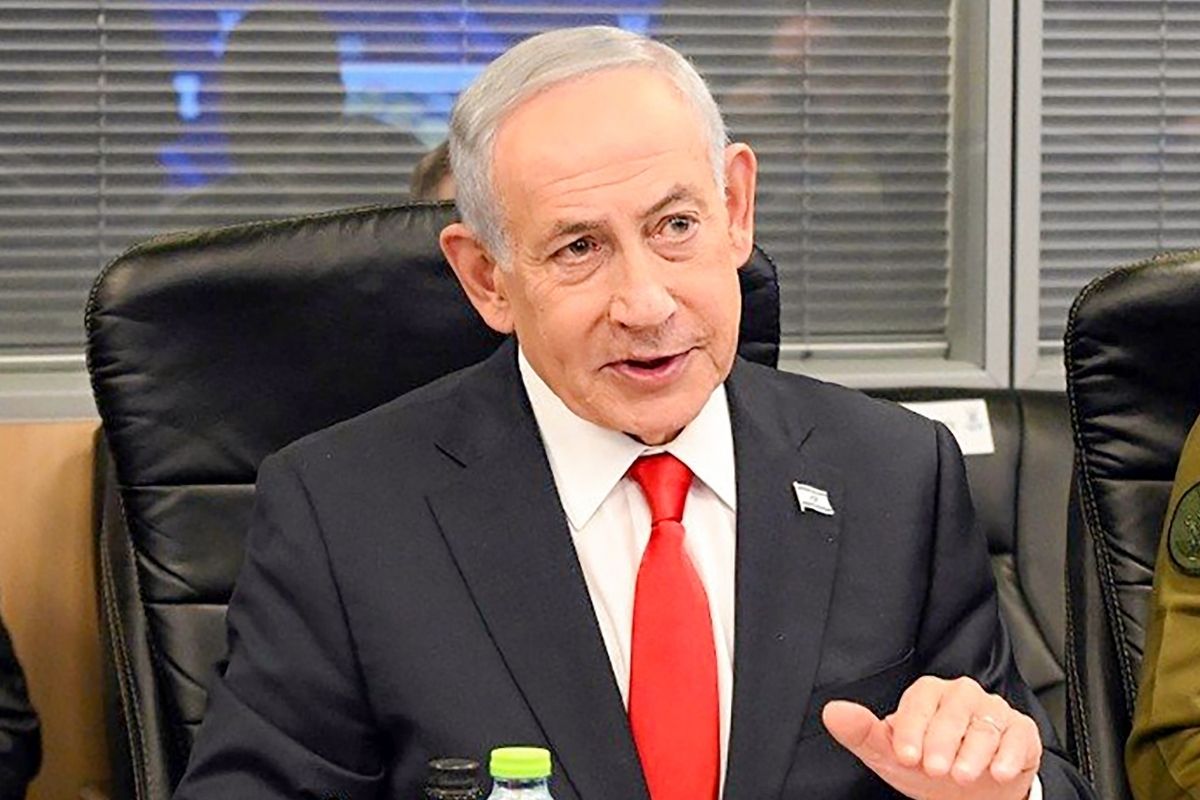
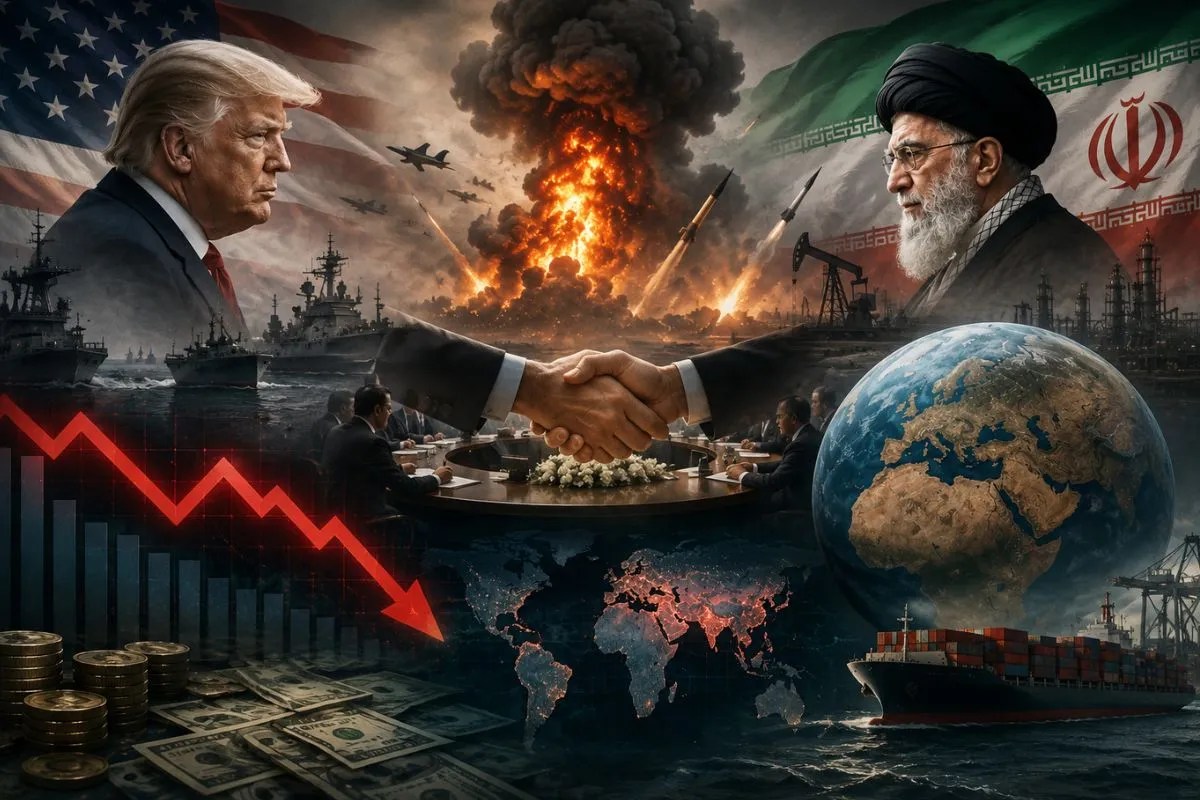
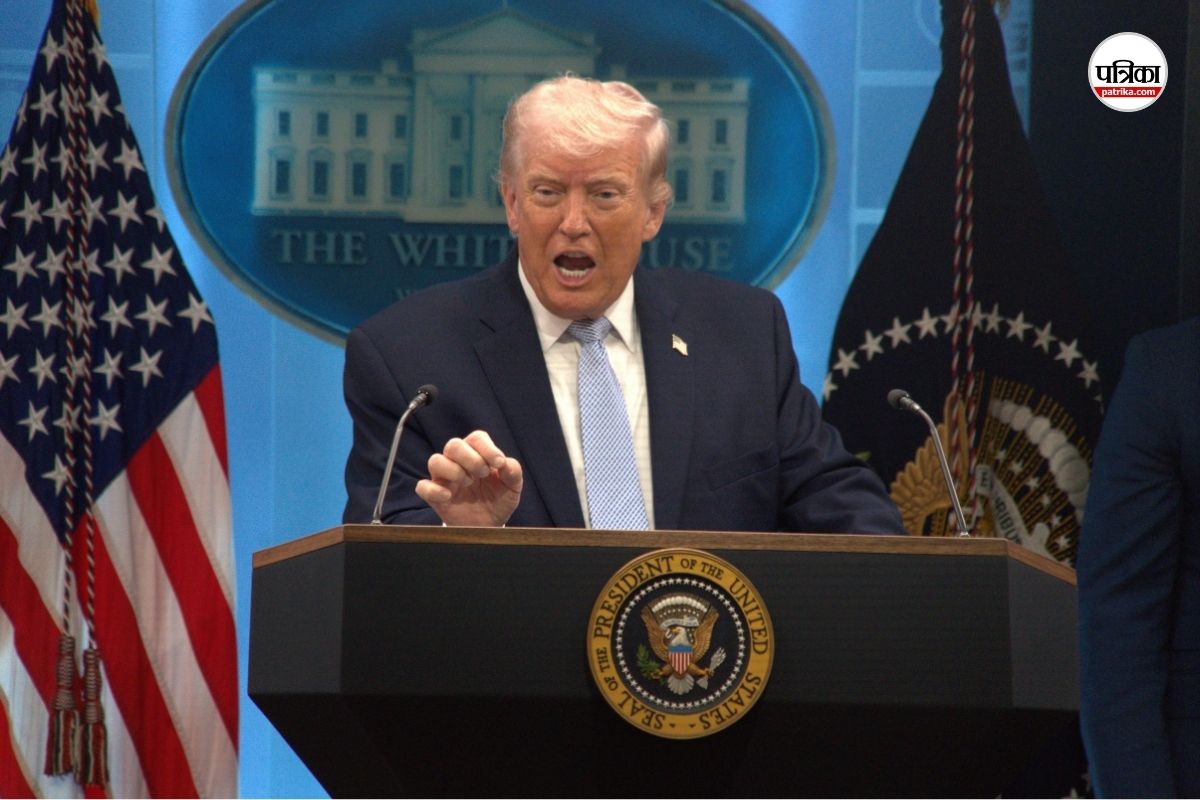
The sudden cancellation of planned military strikes against Iranian targets exposed a profound fracture in the intelligence-sharing alliance between Washington and Jerusalem. While initial reports focused heavily on the immediate shockwaves inside the Israeli security establishment, the reality of the aborted operation points to a much deeper systemic crisis. It was not a simple case of communication breakdown. It was a deliberate, calculated decision by the White House to pull the plug on a major kinetic operation without giving the Israeli Prime Minister advance warning, a move that fundamentally redefines the boundaries of the bilateral relationship.
For decades, the strategic partnership between the United States and Israel operated under a strict policy of "no surprises." This unwritten rule ensured that both nations aligned their tactical moves before executing actions that could trigger a regional war. By bypassing this protocol, the administration did not just stop a missile strike; it sent a unambiguous signal about the limits of American patience and the independent track of US foreign policy.
To understand why this happened, one must look past the surface-level political friction. The decision to scrap the operation at the eleventh hour was driven by a complex mix of back-channel diplomatic warnings, shifting regional dynamics, and a stark reassessment of the immediate consequences.
The Operational Reality Behind the Aborted Mission
Military operations of this scale are never called off on a whim. Months of planning, target selection, and logistical positioning precede the first launch order. When the command to stand down came through, it disrupted a finely tuned machine that had already entered its terminal countdown phase.
The primary driver for the sudden reversal was a highly classified intelligence assessment that landed on the President's desk just hours before the scheduled launch. This report detailed a significant shift in Iranian defensive posture, suggesting that the element of surprise had been entirely compromised. Sources within the defense community indicate that regional radar networks had picked up unusual telemetry, indicating that adversary forces were already in a state of high alert.
Executing a strike under those conditions would have yielded vastly different results than originally projected. Instead of a surgical intervention designed to degrade specific capabilities, the mission risked turning into a prolonged engagement with high attrition rates. The operational calculus shifted from a manageable risk to an unacceptable gamble.
Furthermore, the lack of advance notice to Jerusalem was not an oversight. It was an intentional operational security measure. In the high-stakes environment of wartime planning, the circle of information must remain exceptionally tight. Washington feared that any premature leak, even within the halls of an allied government, could trigger a preemptive response that would force America's hand. By keeping the decision entirely contained within the absolute inner circle of the White House and the Pentagon, the administration maintained total control over the timeline.
Shifting Alliances and the Gulf Factor
The geopolitical map of the Middle East is changing, and Washington is forced to navigate a much more intricate web of partnerships than in previous decades. The days of looking at regional security through a singular lens are gone.
The Quiet Pressure from Arab Partners
Behind closed doors, a coalition of Gulf states exerted immense pressure on Washington to call off the attack. These nations, while deeply skeptical of Tehran's regional ambitions, view a major military escalation as a direct threat to their own economic stability and infrastructure.
- Energy Security Concerns: Any sustained conflict in the Persian Gulf threatens the vital shipping lanes of the Strait of Hormuz, through which a significant portion of the world's petroleum passes.
- Diplomatic Reengagement: Several regional powers have spent the last few years opening tentative diplomatic channels with Tehran to manage tension. A massive US strike would have shattered these fragile frameworks overnight.
- Host Country Vulnerabilities: Nations hosting US military bases faced the very real prospect of retaliatory missile strikes, a risk they were entirely unwilling to accept for an operation they did not plan.
This regional pushback forced a reassessment of the broader strategic costs. The White House realized that striking Iran might achieve a short-term tactical objective but at the cost of alienating key partners necessary for long-term stability.
The Doctrine of Strategic Patience
The decision also reflects a broader philosophical shift within American foreign policy circles. The dominant faction within the current national security apparatus favors economic containment and diplomatic isolation over direct kinetic intervention. This approach views military force as a tool of absolute last resort, rather than a standard mechanism of deterrence.
This doctrine argues that regional conflicts are rarely solved by airstrikes alone. Instead, they often create power vacuums and unpredictable secondary effects that require years of military entanglement to manage. By choosing to hold back, Washington reasserted its commitment to this framework, even when it meant openly clashing with the strategic preferences of its closest regional ally.
The Fallout Inside the Israeli Security Establishment
In Jerusalem, the realization that the strikes had been canceled without their knowledge hit like a physical blow. The immediate reaction within the defense ministry was a mix of disbelief and intense frustration.
For years, Israeli planning had proceeded under the assumption that while the US might disagree on timing, it would never act unilaterally to halt an operation of this magnitude. The sudden silence from Washington broke that assumption. It forced an immediate, emergency reassessment of Israel's independent military capabilities and its long-term reliance on American logistical and intelligence support.
The political implications are equally severe. A prime minister whose entire platform is built on a unique ability to manage the American relationship suddenly looked vulnerable. The opposition wasted no time pointing out that the lack of notification demonstrated a historic low point in mutual trust. Inside the security cabinet, debates raged over whether Israel could continue to coordinate its red lines with an administration that seemed willing to move those lines without consultation.
This friction highlights a fundamental divergence in threat perception. For Jerusalem, the challenge posed by adversarial regional actors is an existential threat requiring immediate, decisive action. For Washington, it is a significant regional challenge that must be balanced against global commitments, including competing priorities in Europe and East Asia.
The Mechanics of the Communication Breakdown
The breakdown in communication was not a failure of technology; it was a failure of political alignment. The established channels between the Pentagon and the Israeli Defense Forces remained open, but the specific political directive to share the cancellation order was withheld.
In typical operations, liaison officers maintain a constant stream of data, ensuring that both militaries see the same picture in real-time. On this day, however, the flow of actionable data slowed to a trickle in the critical hours leading up to the decision. This artificial delay prevented Israeli planners from understanding the true nature of the American hesitation until the choice had already been finalized.
This tactical isolation was a clear message. It demonstrated that Washington is willing to compartmentalize its intelligence sharing when it believes its core national interests are at risk of being compromised by allied action. It serves as a stark reminder that in international relations, shared interests do not mean identical priorities.
The Long Term Impact on Regional Deterrence
The broader consequences of this aborted operation are now beginning to materialize across the region. Adversary networks are actively interpreting the public rift between the two allies, and their conclusions could lead to increased instability.
When a superpower backs down from a threatened military action, it inevitably creates a perception of hesitation. Regional adversaries are likely to view this episode as proof that the American appetite for a major conflict is extremely low. This perception can embolden asymmetric actions, ranging from proxy attacks to accelerated development of restricted technologies, under the assumption that Washington will step back from the brink every time.
However, the administration operates on the opposite theory. They believe that by demonstrating restraint, they have preserved the possibility of a diplomatic resolution and avoided a catastrophic regional escalation that would have consumed American blood and treasure for a generation. They argue that true strength lies in the ability to resist the push for war, even when under immense pressure from internal critics and foreign allies alike.
The reality lies somewhere in the gray area between these two viewpoints. The immediate danger of a massive war has been averted, but the structural foundations of regional deterrence have been fundamentally altered. Israel is now forced to plan for a future where it may have to act entirely alone, without the guarantee of an American safety net. Washington, meanwhile, must deal with the reality of an ally that feels increasingly cornered and may choose to take unilateral steps that drag the US into a conflict regardless of its wishes.
The lines have been redrawn. The old playbook of guaranteed coordination is obsolete, replaced by a much more volatile dynamic where strategic ambiguity applies not just to adversaries, but to allies as well.