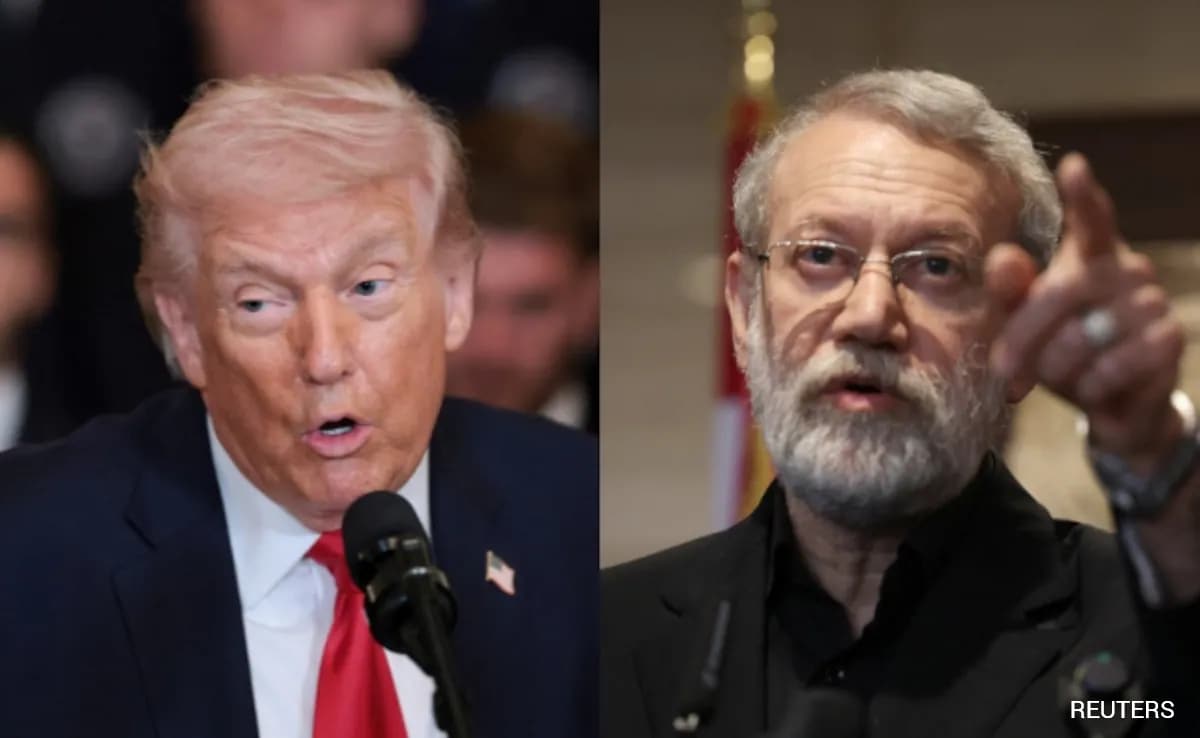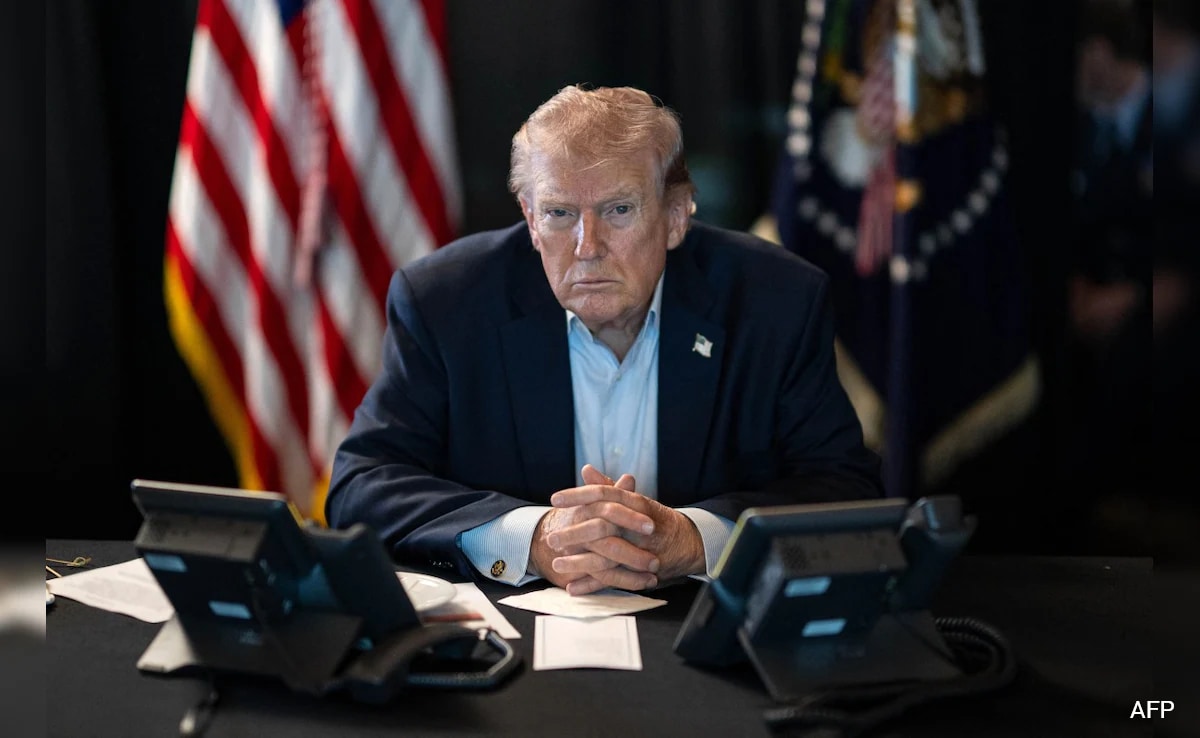
Donald Trump stood on the tarmac of the Doral Air Force Base on Saturday and did what he does best when backed into a geopolitical corner: he changed the scoreboard. Amid a week-old war that has already shaken the foundations of the Middle East, reports surfaced that the Kremlin is funneling high-level targeting data to Tehran to help them sink American warships and down U.S. aircraft. To the career diplomats at Foggy Bottom, this is a betrayal of the highest order. To Trump, it is merely background noise in a conflict he believes he is winning by a landslide.
"If you take a look at what’s happened to Iran in the last week, if they’re getting information, it’s not helping them much," Trump told reporters as he prepared to board Air Force One. It was a classic brush-off, a verbal shrug that dismissed the threat of Russian intelligence as inconsequential against the backdrop of American "decimation." But beneath the bravado lies a complex, three-dimensional chess match where the stakes involve more than just missile coordinates.
The Kremlin Tactical Handshake
The intelligence in question is not just vague chatter. According to officials familiar with current assessments, Russia has been providing Iran with precise locations of U.S. military assets throughout the Gulf. This includes the movement of carrier strike groups and the positioning of advanced radar stations. Iran has the missiles, but it lacks the sophisticated satellite network required to track moving targets in real-time across a vast maritime theater. Russia is acting as Tehran’s eyes.
This is a "comprehensive effort," one official noted, suggesting that Moscow has moved beyond mere diplomatic support into active, if indirect, combat assistance. Why would Vladimir Putin risk his rapport with a Trump administration that has been hesitant to escalate in Ukraine? The answer is leverage. By making the Iran war more painful for Washington, Moscow reminds the White House that it can be a spoiler anywhere in the world if its own interests—specifically in Eastern Europe—are ignored.
The Silence of the Defense Department
While the press core focused on the "betrayal," Defense Secretary Pete Hegseth took a different tack. He suggested that the U.S. military was already factoring Russian interference into its battle plans. "We’re tracking everything," Hegseth remarked, essentially confirming that the Pentagon expects the Russians to talk. It is a cynical, yet realistic, view of modern warfare: there are no secret movements when a superpower is watching from orbit.
The U.S. strategy appears to be one of overwhelming force to the point that intelligence becomes irrelevant. If the American response is fast enough and the "decimation" of Iranian command-and-control centers is thorough enough, it doesn't matter if Tehran knows where a ship is located—they simply lack the means to pull the trigger. Trump’s claim that he would score the current military operation a "12 to a 15" on a scale of 1 to 10 reflects this philosophy.
The Oil Factor and the Indian Exemption
While Russia is allegedly helping Iran target American troops, the Trump administration is simultaneously giving Moscow a financial lifeline. Just days ago, the Treasury Department granted India a 30-day waiver to continue purchasing Russian crude oil. This move, intended to prevent a global energy price spike as the Strait of Hormuz becomes a combat zone, has infuriated hawks in Washington.
The irony is thick. The U.S. is fighting an Iranian regime backed by Russian intel, while ensuring Russia has enough cash flow to keep its own war machine running. This is the "transactional" foreign policy that defines the current era. Trump is betting that he can manage Putin through personal "unique relationships" and back-channel messages, even as their soldiers exchange indirect blows on the digital and physical battlefield.
Surrender Without a Signature
The endgame for the White House isn't a long-term occupation or a regime change in the traditional sense. Trump has defined "unconditional surrender" in remarkably fluid terms. He told Axios that a formal declaration might not even be necessary. If the Iranians can no longer fight because they have nothing left to fight with, that is victory enough.
This brings the Russian intelligence sharing into a sharper, more brutal light. If Moscow provides the data and Iran still fails to land a significant blow, it reinforces Trump’s narrative of American invincibility. It turns a potential scandal into a proof of concept for his administration’s military might.
The danger, of course, is that intelligence is only "inconsequential" until a missile finds its mark. The U.S. has already lost six Army reservists in a drone strike in Kuwait. Every piece of data passed from Moscow to Tehran increases the probability of more flag-draped coffins returning home. Trump may wave off the "stupid questions" from reporters, but the math of the battlefield is rarely so dismissive.
Would you like me to look into the specific types of satellite data Russia is reportedly sharing with Tehran?