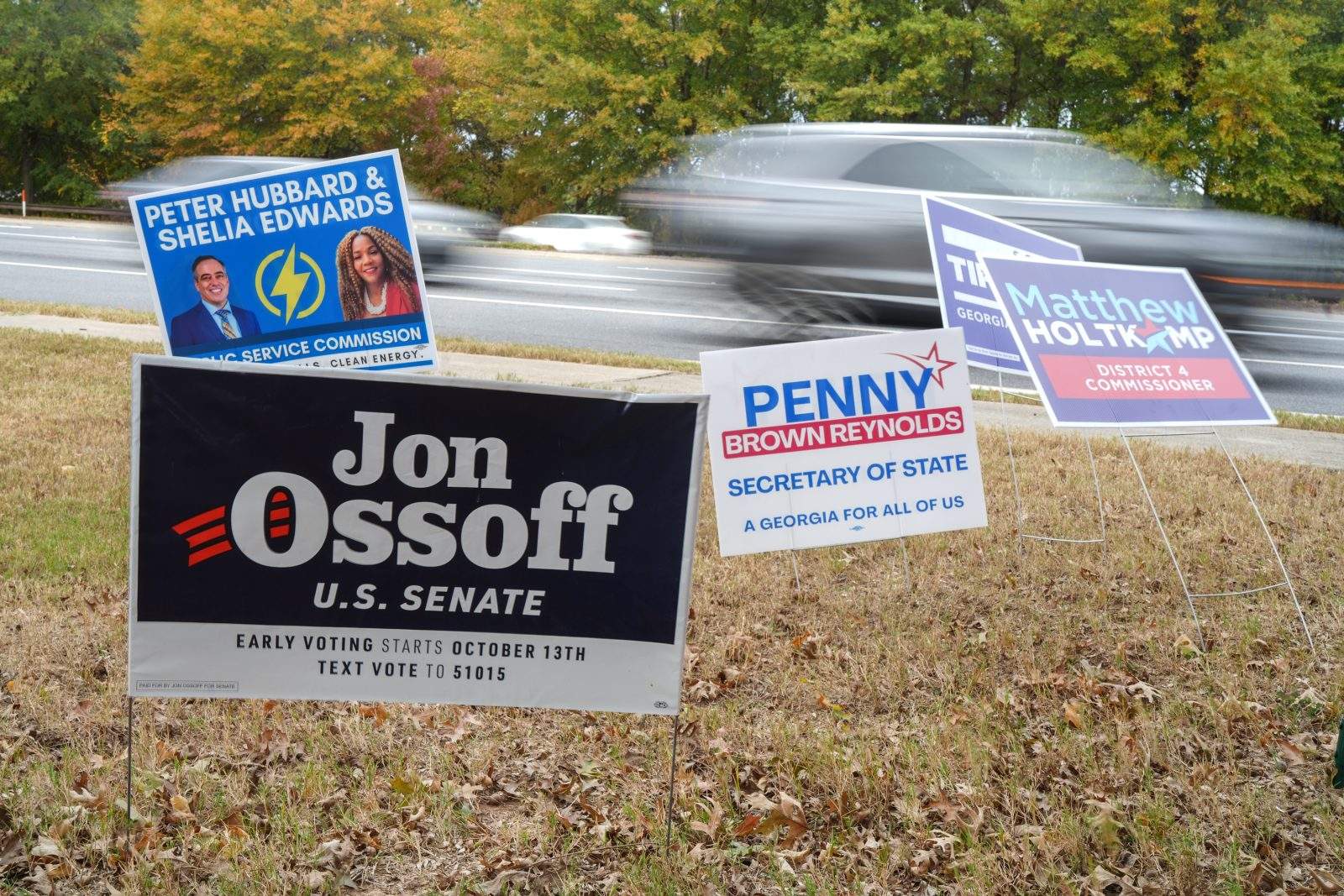
Most people assume election workers spend the months before U.S. midterms simply testing ballot scanners and printing voter rolls. That used to be true. Not anymore.
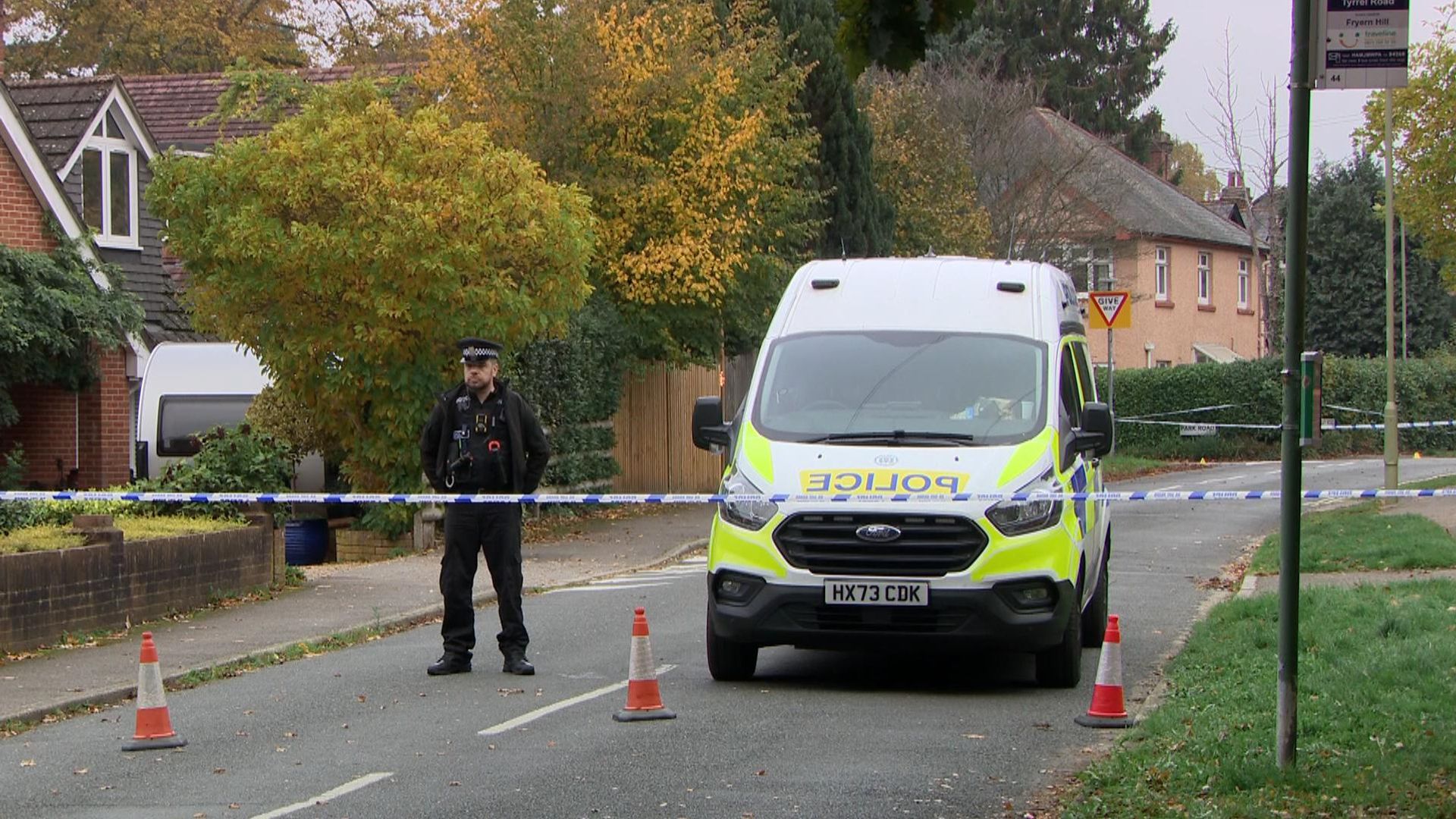
Today, local election offices look a lot more like crisis management command centers than sleepy municipal departments. Clerks in swing counties and quiet rural districts alike are running tabletop war games, reinforcing physical counting rooms, and pre-drafting legal responses for challenges that haven't even been filed yet. They aren't just preparing to count votes. They're preparing to defend the count in court, online, and sometimes right outside their office doors. Discover more on a similar subject: this related article.
If you want to understand how U.S. elections actually survive high-stakes disputes, you have to look at the unglamorous, hyper-specific preparation happening behind the scenes. Because the URL for the competitor piece wasn't accessible, I'm breaking this down based on documented election administration practices, federal guidance, and the real operational shifts seen across recent U.S. election cycles.
The Shift From Counting Ballots to Defending Processes
Years ago, a contested race meant a close margin triggered an automatic recount, a few lawyers showed up to watch observers squint at hanging chads or stray pen marks, and a judge signed off a week later. That era is gone. Further reporting by The Guardian explores comparable perspectives on the subject.
Modern election disputes rarely wait for final tallies. Challenges now target every single link in the chain before polls even close. Think drop box placement, mail-in ballot signature verification rules, poll watcher proximity limits, and chain-of-custody logs. Election administrators know that if a race comes down to a few hundred votes, every piece of paper they touch will become an exhibit in a lawsuit.
So they document everything obsessively.
In counties across states like Arizona, Georgia, Michigan, and Pennsylvania, clerks have overhauled how they track ballots. Instead of a single sign-off sheet when a sealed ballot transport bag moves from a precinct to a central counting facility, many jurisdictions now require dual-party verification at every transfer point. Two people—ideally from different political parties—sign, timestamp, and log seal numbers onto tamper-evident bags. If a seal number doesn't match a logbook entry by a single digit, the discrepancy is documented immediately on the spot rather than left as a mystery for a litigant to exploit three days later.
It's tedious work. Honestly, it slows things down on election night. People complain when results take days instead of hours, completely missing that the delay is often the direct result of these exact anti-fraud and chain-of-custody safeguards working as intended.
Tabletop Exercises and Crisis Simulations
You don't wait until Election Day to figure out what happens if a printer jams in a heavily populated precinct or a crowd blocks a loading dock.
Ahead of U.S. midterms, state election directors and local clerks partner with organizations like the Cybersecurity and Infrastructure Security Agency (CISA), the Elections Infrastructure Information Sharing and Analysis Center (EI-ISAC), and academic groups like the Bipartisan Policy Center to run full-scale tabletop exercises.
These aren't polite seminars. They're stress tests.
Facilitators throw rapid-fire scenarios at county clerks, IT directors, local sheriffs, and county attorneys sitting around the same table. What happens if a viral social media post falsely claims a precinct ran out of ballots at 10 a.m.? Who has the authority to clear an aggressive poll challenger who refuses to stay behind the designated viewing line? How do you pivot if a severe storm knocks out power at a central tabulation center?
Running these drills exposes dangerous blind spots. A clerk might realize their communications director needs pre-approved legal language from the county attorney before posting a correction on X or Facebook. A sheriff might discover deputies don't actually know the exact statutory distance protestors must keep from a ballot drop box. Fixing those friction points in July or September keeps minor operational hiccups from spiraling into full-blown legitimacy crises in November.
Physical Security and De-escalation Training
Nobody takes a job as a municipal clerk expecting to need panic buttons. Yet physical security upgrades have become standard budget items in election offices nationwide.
Following waves of harassment and threats documented by the Brennan Center for Justice in recent cycles, many jurisdictions used federal Help America Vote Act (HAVA) grants and local funds to harden their facilities. Walk into a modern central count facility today and you'll likely see:
- Ballistic glass separating public lobbies from administrative staff workspaces.
- Badge-controlled access doors with automated entry logs for every room where ballots or servers are stored.
- 24/7 livestreaming cameras positioned over tabulation areas so the public and party observers can watch ballot processing without crowding workers.
- Reinforced mail screening protocols after suspicious packages were sent to election offices in multiple states.
Hardware only goes so far, though. The bigger investment is human training.
Poll workers—most of whom are retirees stepping up for a long 14-hour shift—now receive explicit de-escalation training. Trainers teach them how to spot escalating agitation early, how to separate an angry voter or challenger from the main check-in line, and when to stop arguing and call a precinct troubleshooter or law enforcement. The core rule drilled into every worker is simple: never match someone's anger, quote the exact state rule calmly, and document the interaction in the precinct incident log immediately.
Pre-Bunking Misinformation Before It Spreads
Once a false rumor about a rigged machine or dumped ballots hits social media, fact-checking it four hours later barely dents the damage. Election officials learned that lesson the hard way.
Now, communications teams rely on pre-bunking. Instead of waiting to debunk false claims, they flood the zone early with plain-English explanations of why normal election procedures look weird to outsiders.
Take the classic "red mirage" or "blue shift" phenomenon. In states where state law prohibits processing mail-in ballots until Election Day morning—or after polls close—early returns inevitably skew toward whichever party favors in-person voting. Later batches skew toward mail-in voters. When the lead flips at 2 a.m., skeptics cry foul.
Smart election offices explain this timeline weeks in advance. They hold open houses for local reporters, invite party chairs to watch logic and accuracy testing on voting machines, and publish exact schedules showing when different types of ballots (early in-person, Election Day, mail-in, provisional) will be reported. When voters know ahead of time that mail ballots get tallied last, a late-night swing looks like math rather than a conspiracy.
Preparing the Legal Paperwork Before the Lawsuits Drop
When results are contested, the fight moves fast. Post-election litigation operates on compressed timelines—sometimes hours rather than weeks—before statutory certification deadlines lock in.
County attorneys and state solicitors general don't start drafting briefs after a candidate files a petition. They build litigation playbooks months ahead of the midterms. These binders contain template responses for the most common legal challenges:
- Signature verification disputes: Documentation proving how bipartisan review teams evaluate mismatched signatures and how voters are notified to "cure" errors.
- Machine certification records: Copies of pre-election logic and accuracy test logs, federal Election Assistance Commission (EAC) certification numbers, and air-gapped network diagrams proving tabulators aren't connected to the internet.
- Provisional ballot logs: Exact statutory citations explaining why certain voters were given provisional ballots and the criteria used to accept or reject them during the canvass.
- Observer access records: Floor plans, camera footage archives, and sign-in sheets proving credentialed observers had meaningful access under state law.
Having these records indexed and ready means election officials can hand a judge verified evidence within hours instead of scrambling through boxes while media speculation runs wild.
What Most People Get Wrong About Canvassing and Audits
There's a widespread misconception that the numbers flashed on television networks on election night are official results. They aren't. Those are unofficial tallies reported by media outlets aggregating precinct feeds.
The real safeguard against contested errors happens during the post-election canvass and risk-limiting audits (RLAs)—processes that take place in the days and weeks after polls close.
During the canvass, bipartisan boards reconcile the numbers. They compare the total number of voters who checked in at each precinct against the total number of ballots cast. If 500 people signed the poll book and 500 ballots came out of the scanner, the books balance. If there's a discrepancy of even two ballots, the board stops and investigates why—checking spoiled ballot envelopes, provisional logs, and unreturned ballots until every piece of paper is accounted for.
On top of that, dozens of states now mandate post-election audits before certification. In a risk-limiting audit, workers pull random physical paper ballots by hand—using dice rolls to generate truly random seed numbers—and compare the human-read marks on the paper against the digital interpretation recorded by the scanner. If the hand count matches the machine tally within strict statistical margins, the result holds. If it doesn't, the audit expands automatically until a full hand recount happens.
How You Can Track and Verify Local Election Readiness
If you're watching a tight midterm race and want to separate genuine procedural issues from partisan noise, don't rely on viral screenshots. Go straight to the primary records your local election office publishes.
Check your county clerk's or secretary of state's website before Election Day for three specific documents: the Logic and Accuracy Testing schedule (which is open to the public in almost every state), the ballot processing timeline explaining when mail ballots are opened and counted, and the canvass schedule. Watch the public livestreams of central counting rooms if your county provides them. When results are disputed, read the actual court filings and signed affidavits rather than press releases—judges require evidence under penalty of perjury, which separates real administrative errors from baseless claims faster than anything else.