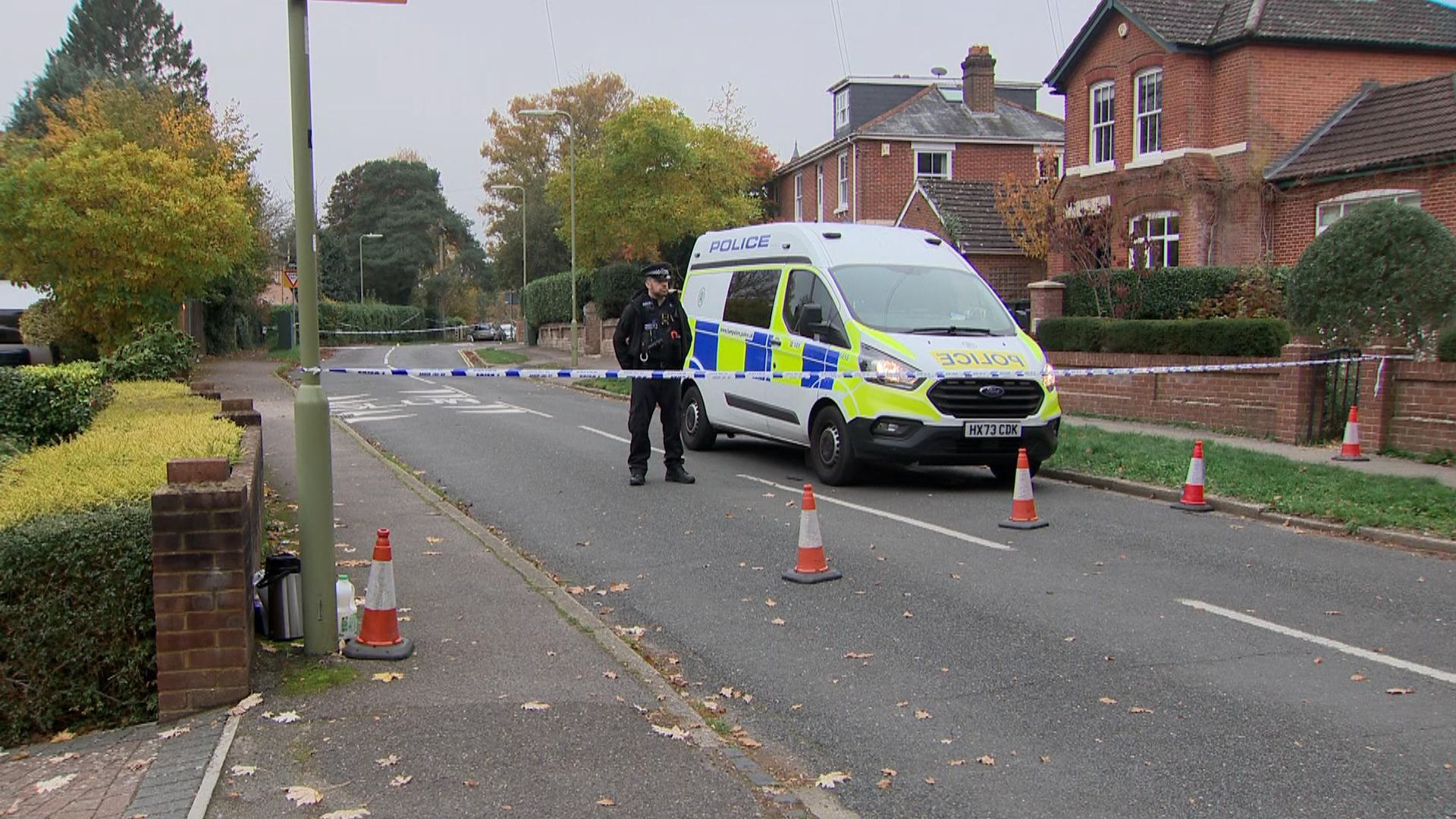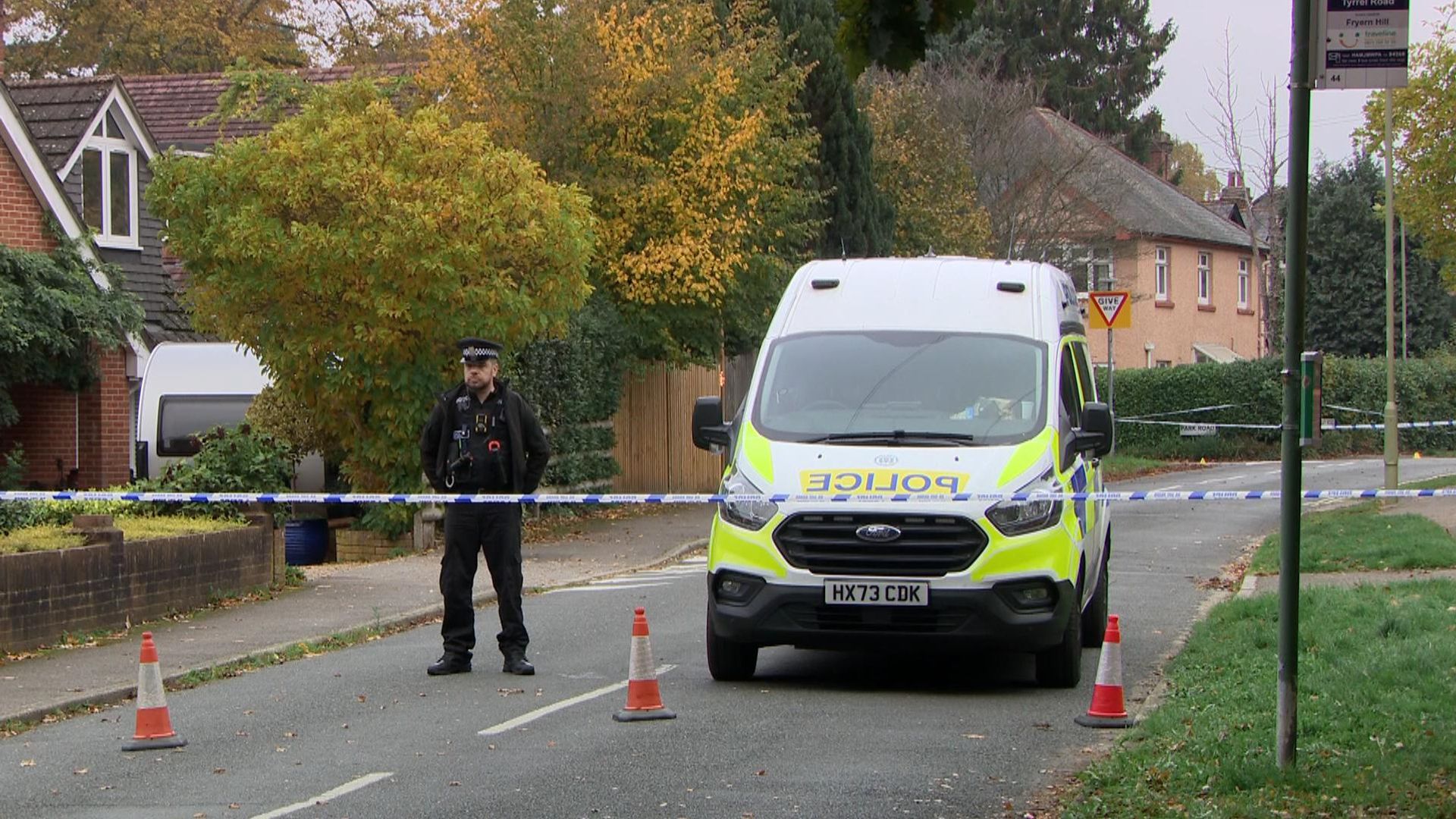
Incident reports centered on a single headline—five teenage boys seriously injured after being stabbed at a party on Halloween—treat an acute operational failure as an isolated shock. To understand why high-density youth gatherings periodically cross into severe interpersonal violence, analysts must map the underlying risk architecture rather than stopping at the casualty count. This analysis establishes a structural framework for evaluating how seasonal gatherings, adolescent social dynamics, and physical environment constraints interact to produce high-severity harm, separating verified incident mechanics from unverified causal claims.
Deconstructing the Incident Baseline and Information Gaps
Standard breaking-news coverage establishes three baseline facts from a headline of this type: the event occurred on Halloween, the affected group consists of teenage boys, and the injury severity reached the threshold of "seriously injured" via stabbing. Beyond those anchors, critical operational variables—exact venue control, host supervision, crowd density, prior interpersonal friction, and weapon entry points—are absent when no full incident record or source text is provided.
Conflating missing operational facts with established causes is the primary analytical error in rapid reporting. A Halloween date supplies a predictable calendar condition, not a standalone mechanism. Five serious injuries in a single episode indicate either a concentrated altercation involving multiple targets or a rapid escalation within a tightly packed group where bystanders cannot separate combatants.
Distinguishing known facts from educated hypotheses requires strict tagging of every claim:
- Known baseline parameters: The occasion is Halloween, the cohort comprises male adolescents, the mechanism is sharp-force trauma, and the medical outcome is serious injury.
- Missing structural parameters: Indoor versus outdoor layout, guest list verification, alcohol or substance availability, adult presence, and emergency response lag times.
- Educated hypotheses: High-density informal gatherings with weak access controls compress conflict-resolution time, increasing the probability that a verbal dispute converts into serious physical harm before intervention occurs.
The Four Structural Drivers of High-Severity Party Escalation
When a social gathering turns into a multi-casualty stabbing event, four interacting system variables usually govern the outcome. Treating any single variable as a sole cause obscures how small friction points compound under stress.
1. Access Control and Boundary Permeability
Unvetted or loosely vetted gatherings operate with high boundary permeability. When attendees arrive through secondary social networks rather than direct host invitation, accountability weakens. Individuals carrying weapons face fewer pre-entry friction points when hosts lack screening protocols or clear entry rules.
Once a space reaches high occupancy, exit and entry pathways frequently overlap. Bottlenecks near doors, hallways, or yards turn ordinary crowd movement into physical compression, making rapid de-escalation or safe retreat harder for non-combatants.
2. Adolescent Status Signaling and Peer Audiences
Adolescent conflicts rarely occur in a vacuum; they are heavily shaped by peer visibility and status preservation. In a crowded party setting, an argument that might remain verbal in private gains an audience, raising the perceived reputational cost of backing down for every participant.
Group dynamics also shift risk thresholds. Friends of disputants may step in to defend status or even the numerical balance, turning a two-person friction point into a multi-party confrontation in seconds. Five boys sustaining serious injuries points toward either a clustered clash or multiple interventions during a single breakdown of order.
3. Environmental Friction and Visibility Constraints
Physical layout dictates how fast a dispute escalates and how quickly help arrives. Dim lighting, loud audio, narrow corridors, and cluttered rooms degrade situational awareness for both hosts and attendees. A sharp-force injury is often concealed at first by noise, movement, and crowd density, delaying recognition that a medical emergency is underway.
The second limitation in informal venues is communication lag. When dozens of people react simultaneously to a fight, conflicting accounts slow down host action and initial emergency calls, widening the gap between injury and trauma care.
4. Impulse Compression and Disinhibition
Holiday contexts—especially Halloween—normalize costume anonymity, late-night schedules, and rule-bending norms. Even without factoring in unverified substance use, altered social scripts lower friction for impulsive choices.
When an individual transitions from posturing to using a weapon, the time horizon from conflict to severe injury collapses. Unlike blunt-force scuffles that may allow gradual interruption, a stabbing can inflict life-threatening or serious damage almost instantaneously, multiplying casualty counts when multiple youths are in close proximity.
Cause-and-Effect Chains Standard Coverage Overlooks
Surface-level coverage usually stops at the sequence of gathering -> altercation -> stabbings -> injuries. That linear chain hides the feedback loops that actually drive severity.
One overlooked chain runs from crowd density to delayed intervention. In a packed room or yard, physical proximity fuels the fight while simultaneously blocking adults, sober peers, or hosts from reaching the center of the incident. By the time space opens up, the most damaging blows have often already occurred.
A second chain connects injury recognition to clinical outcome. Serious stab wounds require rapid bleeding control and emergency transport. If attendees initially mistake a scuffle for roughhousing or scatter in panic as soon as a blade appears, injured youths may move away from the primary scene or go unnoticed for critical minutes.
A third chain links post-incident narrative to prevention blind spots. Focusing exclusively on the holiday label ("Halloween") encourages seasonal warnings while ignoring year-round structural weaknesses—such as unmonitored house gatherings, weak crowd limits, and lack of basic emergency readiness at youth events.
Operational Takeaways for Event Hosts, Parents, and Community Systems
Preventing severe harm at youth gatherings requires treating event hosting and supervision as an operational risk-management problem rather than an informal social favor. Execution depends on concrete pre-event and live-event controls.
Pre-Event Design and Access Controls
- Cap attendance to physical throughput: Match guest counts to room dimensions, exits, and outdoor space so movement never compresses into bottlenecks.
- Enforce closed-loop guest lists: Require advance confirmation and restrict entry to known invitees; shut down open-door or "plus-one chain" admission once capacity is reached.
- Establish clear host authority and exit routes: Designate sober adult or responsible lead hosts with visible roles, keep primary exits unobstructed, and maintain bright lighting in hallways, stairs, and entryways.
- Set explicit zero-tolerance rules before arrival: Communicate expectations clearly prior to the event regarding uninvited guests, physical altercations, and weapons.
Live-Event Response and Escalation Control
- Intervene early at the verbal and posturing stage: Separate arguing individuals immediately and move them away from peer audiences before physical contact starts.
- Clear crowd space around any disruption: Direct bystanders outward rather than letting onlookers form a tight ring, which both feeds escalation and blocks access.
- Execute immediate medical triage on injury detection: Call emergency services right away upon spotting blood or a collapsed attendee, apply direct pressure to bleeding wounds using clean cloth or available first-aid supplies, and assign one person to meet responders at the street or entrance.
System Limitations and Honest Constraints
No operational protocol can eliminate violence with certainty. A determined actor intent on bringing a concealed weapon to an informal gathering can bypass household-level screening that falls short of commercial security checkpoints. Furthermore, teenagers exercising autonomy in social spaces may bypass adult oversight altogether by relocating to unmonitored homes, parks, or short-term rentals.
Over-relying on rigid surveillance or punitive crackdowns also carries trade-offs: it can push gatherings further underground into less visible, less supervised locations where emergency help is even harder to summon. Effective risk reduction balances clear boundaries, environmental design, and rapid crisis response while recognizing that human behavior retains irreducible variance.
Strategic Play for High-Risk Seasonal Windows
Treat every major holiday and school-break window as a predictable surge in informal youth crowding, and pair strict access boundaries with pre-staged emergency readiness before doors open. Hosts, families, and local organizers should audit physical bottlenecks, lock down guest entry, and brief at least two designated points of contact on immediate bleeding control and rapid emergency dispatch—turning passive hopes for a quiet night into active containment when tension spikes.