The hum is the first thing you notice. In the vast, salt-crusted stretches of the Persian Gulf, the silence of the desert is rarely absolute. It is filled by the constant, low-frequency vibration of industry. It is the sound of billions of cubic feet of natural gas rushing through steel veins, the mechanical heartbeat of a world that runs on what lies beneath the sand. For the engineers working the late shift at the South Pars gas field, that hum is more than just noise. It is the sound of stability.
When that hum stops, the world changes.
We often talk about geopolitics as if it were a game of chess played on a polished board in a quiet room. We use terms like "asymmetric warfare," "energy security," and "strategic escalation." But for the people living on the front lines of the escalating shadow war between Iran and its neighbors, these aren't concepts. They are the smell of ozone, the sudden chilling of a room when the air conditioning fails in 110-degree heat, and the terrifying sight of a horizon glowing orange with a fire that isn't the sunset.
The Fragile Architecture of the Gulf
The recent strikes on Iranian gas infrastructure weren't just attacks on a regime. They were a puncture wound in the global energy map. When the South Pars field—the crown jewel of Iran’s energy sector—shuddered under the impact of precision munitions, the shockwaves traveled much further than the physical blast radius. They traveled through the markets in London, the heating bills in Sofia, and the high-tension wires stretching across the Arabian Peninsula.
Iran’s response was swift, predictable, and devastatingly logical. By targeting Gulf energy sites in the aftermath, Tehran sent a message that didn't need a translator. They were signaling that if their energy heart stops beating, they will make sure the rest of the world feels the arrhythmia.
Think of the Persian Gulf as a massive, interconnected life-support system. On one side, you have the sprawling refineries of Saudi Arabia and the United Arab Emirates. On the other, the massive extraction platforms of Iran. In between lies the Strait of Hormuz, a narrow throat through which 20% of the world's petroleum liquids flow. It is a geographic choke point that acts as a physical manifestation of the world's anxiety.
A Hypothetical Tuesday in Dubai
Consider a man named Omar. He is a hypothetical mid-level manager in a logistics firm in Dubai, but his reality is shared by millions. Omar doesn't care about the intricacies of the IRGC’s tactical doctrine. He cares about the fact that his office windows are floor-to-ceiling glass, and without the massive energy input required to keep the climate control running, his workspace becomes an oven within twenty minutes.
When Iran targets energy sites in the Gulf, they aren't just aiming for steel tanks. They are aiming for Omar’s sense of normalcy. They are aiming for the desalination plants that provide every drop of water he drinks. In the Gulf, energy isn't a luxury; it is the thin line between a thriving metropolis and an uninhabitable wasteland.
The strike on the gas field was the first domino. The retaliatory threats against neighboring tankers and refineries are the second. When a missile hits a refinery, it doesn't just destroy equipment. It destroys the "just-in-time" magic of the modern world. It creates a vacuum of trust. Ships stop moving because insurance premiums skyrocket. Power grids begin to shed load to survive. The hum dies.
The Invisible Stakes of the Gas War
Why gas? Why now? Petroleum gets the headlines, but natural gas is the silent partner that actually keeps the lights on. It is the fuel of the transition, the bridge between the old world of coal and the new world of renewables. Iran sits on the second-largest gas reserves on the planet. For years, they have used this resource as both a shield and a sword.
The attack on their gas infrastructure hits them where it hurts most: their internal stability. Iran’s economy is a pressurized vessel, strained by sanctions and internal dissent. When the gas stops flowing, the factories stop. When the factories stop, the paychecks stop. The regime knows that a cold winter or a dark summer is more dangerous to their survival than any foreign army.
So, they lash out. By targeting the energy sites of their neighbors, they are attempting to equalize the pain. It is a doctrine of mutual exhaustion.
The complexity of these facilities is hard to overstate. A modern LNG (Liquefied Natural Gas) terminal is a marvel of physics, cooling gas to -260 degrees Fahrenheit until it turns into a liquid. It is a delicate, high-pressure environment. A single well-placed drone strike doesn't just cause a fire; it creates a multi-billion dollar repair project that can take years to complete because the parts are specialized and the expertise is rare.
The Psychology of the Strike
We have entered an era where the battlefield is everywhere. In the old days, you knew where the front line was. Today, the front line is the power socket in your wall. The psychological impact of "energy terrorism" is designed to create a permanent state of hyper-vigilance.
When news broke of the strikes on the Gulf sites, the reaction wasn't just political. It was visceral. In the trading pits, the price of Brent crude didn't just move because of a supply shortage—there wasn't one yet. It moved because of the fear of a shortage. Humans are hardwired to react to the threat of scarcity. We are descendants of people who survived because they worried about the fire going out.
The current escalation is a masterclass in this kind of primal pressure. Iran isn't trying to win a traditional war. They are trying to make the cost of opposing them so high—socially, economically, and emotionally—that the world simply gives up and looks the other way.
Beyond the Barrel
The real tragedy of this escalation is often buried under the talk of "strategic interests." The real tragedy is the diverted future. Every billion dollars spent on repairing a bombed refinery or deploying a new battery of Patriot missiles is a billion dollars not spent on desalinating water for a parched region or building the infrastructure for a post-oil world.
The desert is a harsh teacher. It reminds us that we are all, regardless of nationality, guests in an environment that doesn't naturally want us there. We survive through cooperation and the mastery of energy. When that energy is weaponized, we aren't just fighting over borders; we are fighting against our own ability to inhabit the planet.
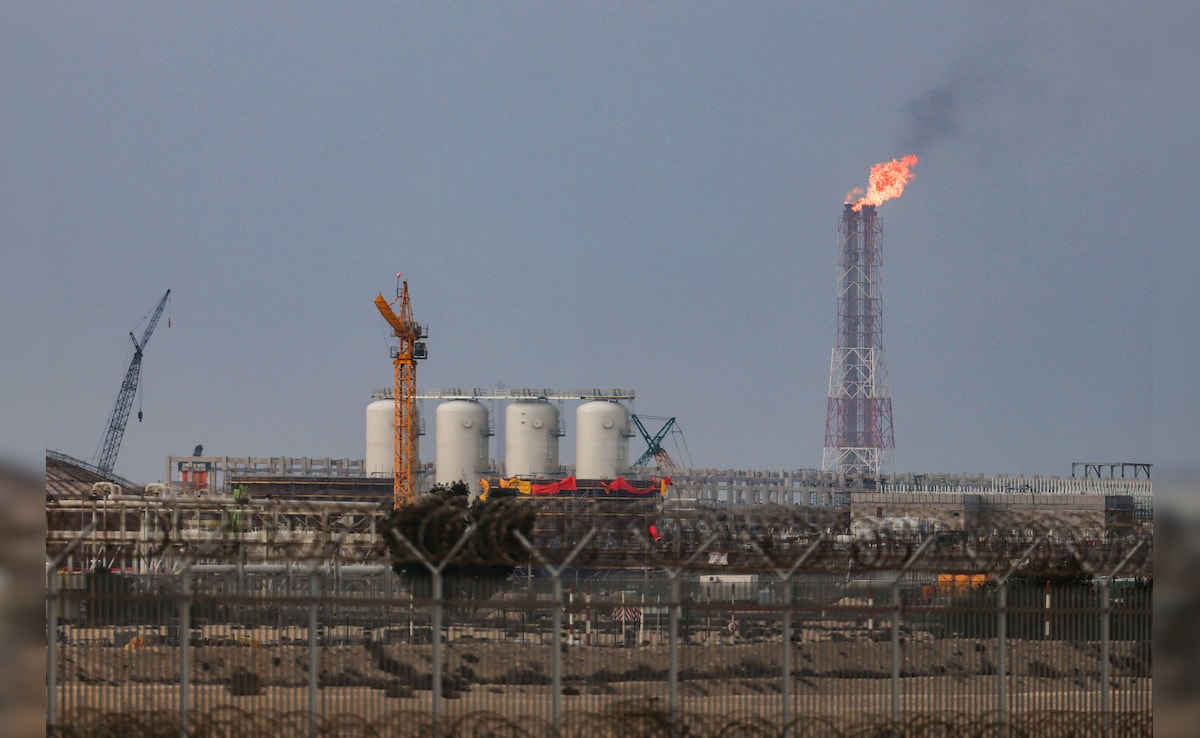
If you stand on the shores of the Gulf at night, you can see the flares of the oil rigs on the horizon. They look like fallen stars. Usually, they are signs of prosperity. But tonight, they look like warning lights. They are a reminder of how quickly the things we take for granted—the light, the water, the cool air—can vanish when the hum of the world is interrupted by the sound of an explosion.
The stakes aren't on a map. They are in the silence that follows the blast.
Imagine a city where the only light comes from the fires on the horizon, and you begin to understand why this matters. It is not about the price of a gallon of gas. It is about the price of peace in a world that has forgotten how to live without the hum.
The smoke rising from the South Pars field is a signal fire for the twenty-first century. It tells us that the era of secure energy is over, replaced by a volatile reality where every light switch is a political statement and every pipeline is a fuse. We are no longer just observers of a distant conflict; we are all tethered to the same grid, waiting to see if the next strike is the one that finally breaks the circuit.
Darkness in the desert is absolute. It is a heavy, physical thing that swallows everything in its path. Without the hum of the turbines and the glow of the refineries, the desert reclaims what was once its own. The modern world is a fragile, glittering veil thrown over an ancient and unforgiving landscape. When we strike at the energy heart of our rivals, we are tearing at that veil, forgetting that we are all standing underneath it.
The fires in the Gulf are burning more than just gas. They are burning the illusion that we can remain insulated from the chaos we create.
The horizon is still glowing.