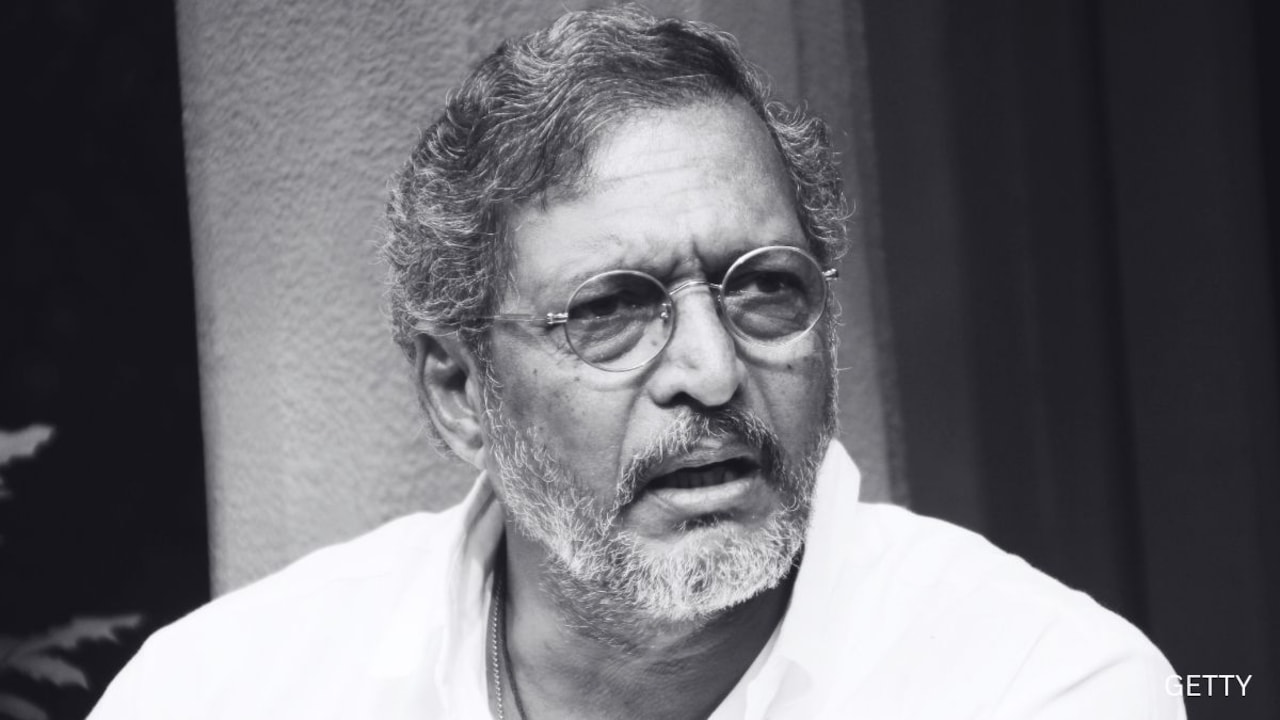
Hollywood loves to pat itself on the back for progress. Walk down any red carpet today and you'll see corporate diversity campaigns, rainbow flags, and carefully managed coming-out press releases. But long before pride was a profitable marketing strategy, Michael Kearns stood alone. When he passed away at age 76, the entertainment industry lost a genuine titan who didn't just ask for a seat at the table—he built an entirely new room when Hollywood slammed the door in his face.
Coming out as a professional actor in the 1970s wasn't brave; it was professional suicide. Studios operated like closed-circuit panic rooms where homosexuality was treated as a contagion that could sink a box office. Kearns didn't care about the rules. He looked at the closet and simply refused to walk in. That stubborn defiance defined his entire life and changed the trajectory of queer representation on stage and screen.
The Cost of Telling the Truth Early
Most people today forget what the landscape looked like before streaming and social media algorithms dictated casting choices. If you were an actor, you hid your partner, you lied in interviews, and you played along with the studio game. Kearns threw that playbook in the trash.
Born in St. Louis in 1950, he gravitated toward performance because it was the only place he felt like he belonged. But when he hit Los Angeles, he quickly realized that being openly gay meant being routinely sidelined. Instead of shrinking into the background, he leaned into theater, solo performance, and writing. He realized mainstream Hollywood wasn't going to hand queer artists authentic narratives, so he manufactured them himself.
His one-man shows like Intimacies weren't polite or palatable for mainstream audiences. They were raw, confrontational, and deeply political. He forced audiences to look at the realities of gay survival, queer desire, and the unfolding devastation of the AIDS crisis.
Stepping Into the Fire of AIDS Activism
When the HIV/AIDS epidemic tore through the artistic community in the 1980s and 90s, the political establishment reacted with cold indifference or outright cruelty. Kearns didn't just mourn; he mobilized. Alongside playwright James Carroll Pickett, he co-founded Artists Confronting AIDS in 1984. He wanted art to be a weapon against structural neglect.
In 1991, Kearns took his activism to national television, publicly disclosing his HIV-positive status. He refused to let the diagnosis be wrapped in shame or secrecy. Naturally, Hollywood responded with its own brand of quiet retaliation. Casting directors began pigeonholing him into a specific, grim trope. They wanted him to play dying men, and they actively demanded he look as sick as humanly possible on set.
"They could not have an HIV character who looked normal," Kearns pointed out years later in interviews. When television executives wanted him to look ghastly to satisfy their narrow, tragic stereotypes of illness, he finally put his foot down and walked away from those toxic rooms. He preferred artistic integrity over scraps from major studio tables.
A Legacy That Refuses to Fade
Kearns wasn't just a screen actor who picked up credits on shows like Cheers, Murder, She Wrote, and Beverly Hills, 90210. He was an educator, a mentor, an author of crucial theater books like T-Cells & Sympathy, and a single father who adopted his daughter Tia Katherine in the 1990s.
When friends and collaborators mourned his passing, they didn't remember him as a victim of a harsh industry. They remembered an "AIDS performer-warrior" whose voice carried too much weight to ever be silenced. He was scheduled to perform at the Celebration Theatre in Los Angeles just days after his death, continuing a lifetime habit of showing up for his community until his body simply gave out.
We live in an era where corporate brands slap rainbows on their logos for thirty days a year and call it advocacy. True activism looks like Michael Kearns stepping onto a stage decades ago with nothing to protect him except his own fierce talent and an absolute refusal to lie about who he was.
Remember his name the next time you watch a modern show featuring complex queer characters. He paid the toll for that visibility so others wouldn't have to ask for permission.