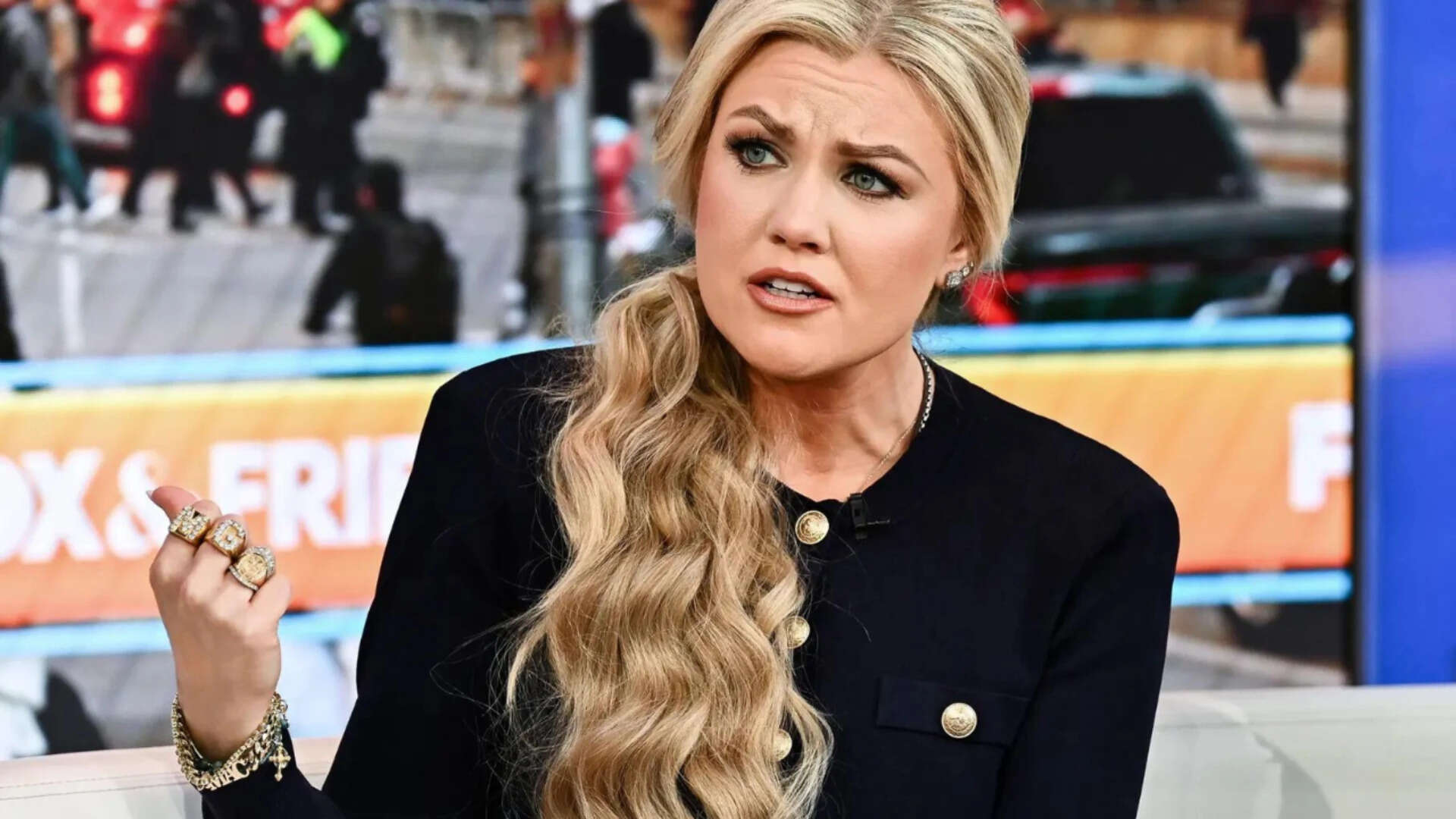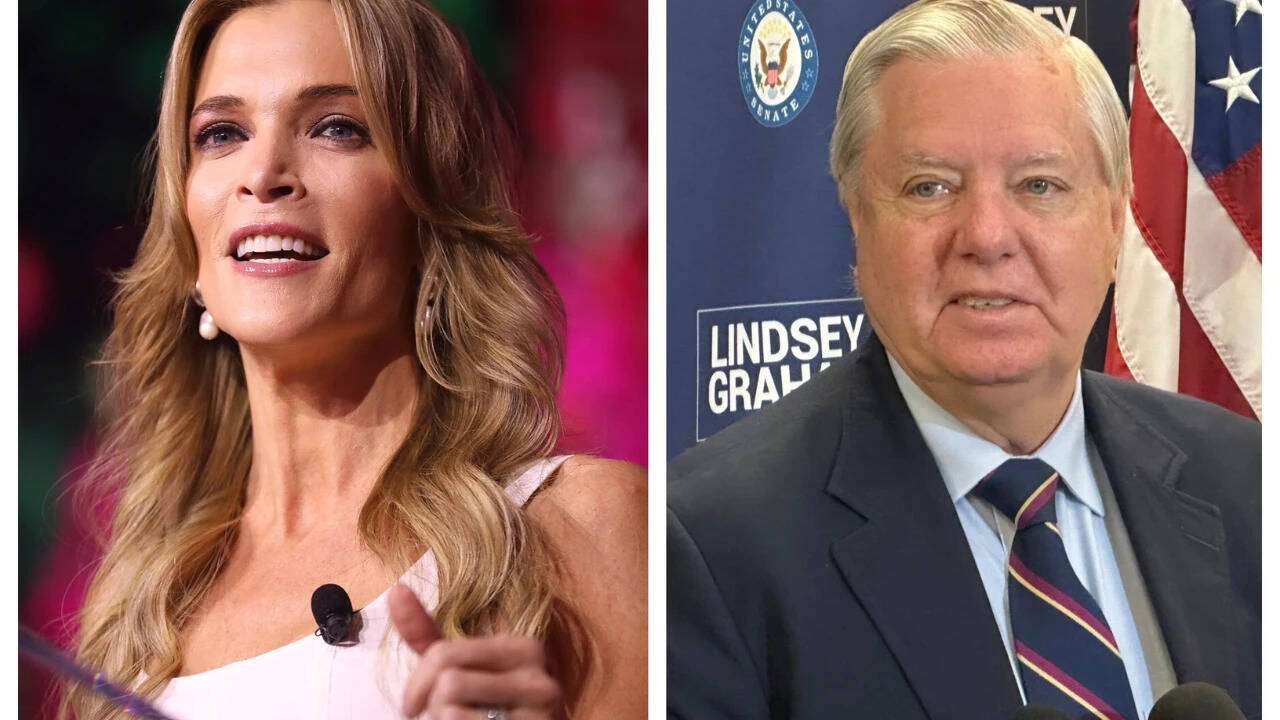
Megyn Kelly calling Lindsey Graham a "homicidal maniac" isn't journalism; it’s performance art for an audience that has mistaken isolationism for enlightenment.
The media ecosystem is currently obsessed with the narrative that the "America First" movement has finally driven a stake through the heart of the neoconservative establishment. They see Kelly’s viral takedown of Graham as the definitive eulogy for an era of intervention. They are hallucinating. What Kelly and the populist right fail to grasp is that Lindsey Graham isn't a relic of the past—he is the uncomfortable insurance policy for the very stability they claim to want.
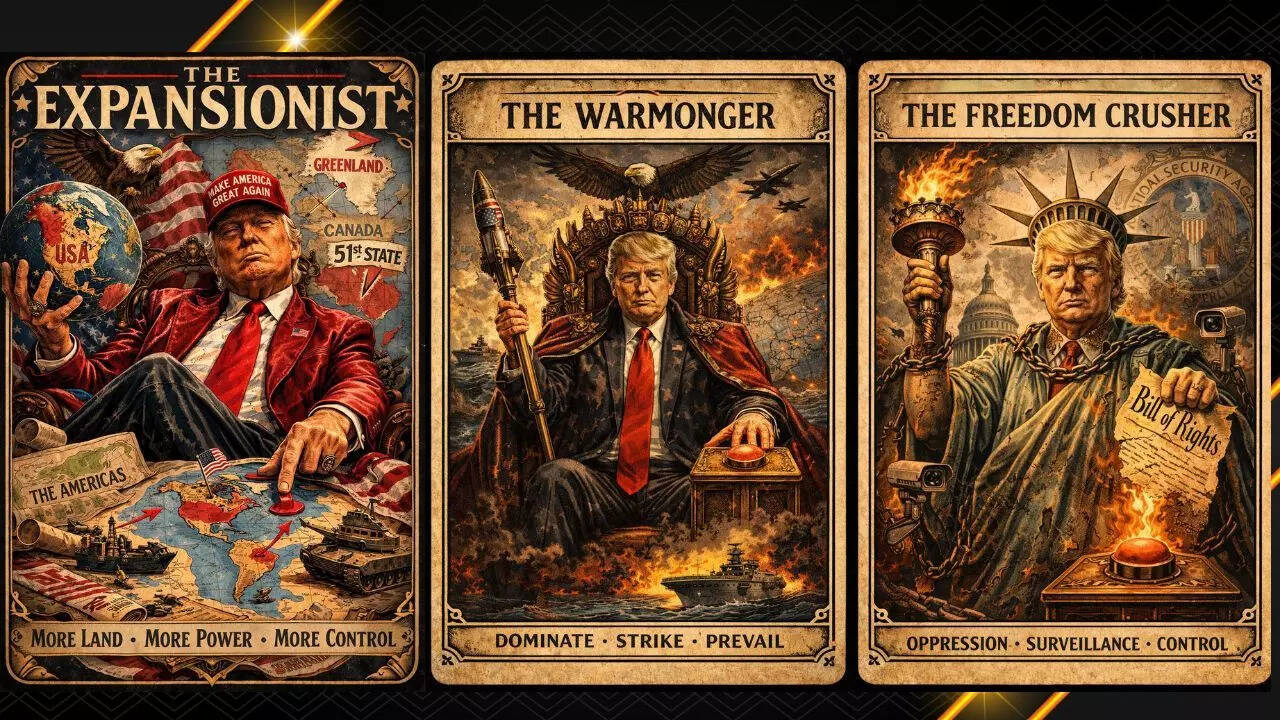
We have entered an era where "warmonger" is used as a lazy catch-all for anyone who understands that power vacuums are never filled by peaceful democracies, but by the most violent actors in the room. By attacking Graham’s proximity to Trump, Kelly isn't exposing a flaw in the system. She’s exposing her own fundamental misunderstanding of how global leverage actually works.
The Myth of the Clean Exit
The popular consensus suggests that if the U.S. simply stops "meddling," the world will settle into a natural, peaceful equilibrium. This is a fairy tale.
In twenty years of tracking geopolitical shifts, I’ve seen what happens when the "Lindsey Grahams" of the world are silenced. You don't get peace. You get the 2021 Kabul airport disaster. You get the rapid expansion of Iranian proxy networks. You get a world where the American dollar—the very thing funding the populist lifestyle—loses its status because the security architecture supporting it has been dismantled by people who think foreign policy is a podcast topic.
Kelly’s critique relies on the idea that Graham is "listening" to Trump to infect him with old-school hawkishness. The reality is far more pragmatic: Trump uses Graham as a signaling device. In the brutal logic of international relations, you need a "madman" in the room—or at least someone who is willing to advocate for the kinetic option—to make your diplomatic threats credible.
Why Isolationism is the Ultimate Luxury Belief
Isolationism is a luxury belief held by people who have never had to manage a supply chain or secure a maritime border. When Kelly sneers at Graham’s desire to project power, she is ignoring the basic mechanics of the modern world.
- The Strait of Hormuz doesn't police itself.
- Global internet cables aren't protected by good vibes.
- The deterrence that keeps nuclear powers from eating their neighbors requires constant, expensive, and often aggressive maintenance.
The "lazy consensus" says that every dollar spent abroad is a dollar stolen from a domestic pothole. This is a false binary. The global stability Graham advocates for is what allows the American economy to function at a level where we can even discuss domestic spending. If the U.S. retreats, the cost of everything—from the chips in your phone to the fuel in your car—skyrockets as regional hegemons begin to tax, block, or destroy trade routes.
Dismantling the Homicidal Maniac Label
Calling a sitting Senator a "homicidal maniac" because he favors military intervention is a cheap rhetorical trick. It bypasses the hard math of geopolitics for the easy dopamine hit of moral superiority.
Let’s look at the math.
Imagine a scenario where the U.S. fully adopts the Kelly-endorsed posture of total non-intervention. Within thirty-six months, the following shifts become inevitable:
- Russia moves beyond Ukraine to test the Suwalki Gap, forcing a NATO Article 5 crisis that makes current spending look like pocket change.
- China moves on the First Island Chain, effectively holding the global semiconductor industry hostage.
- The U.S. loses the ability to sanction adversaries because the dollar is no longer the indispensable currency of a secure world.
Graham understands this. Kelly understands ratings. One of these things is concerned with the survival of the West; the other is concerned with the "Click-Through Rate" of a YouTube thumbnail.
The Strategic Necessity of the Hawk
The most counter-intuitive truth in Washington is that the hawks often prevent more wars than they start. This is the "Deterrence Paradox." By being vocally, even aggressively, willing to use force, you raise the cost of aggression for your enemies.
When Trump listens to Graham, he isn't being "brainwashed." He is maintaining a spectrum of options. A president who only listens to isolationists is a president who can be easily bullied on the world stage. Adversaries aren't afraid of a leader who has promised his base he will never fight. They are terrified of a leader who is being whispered to by a "homicidal maniac."
We have seen this play out. The same people who cheered for the "end of forever wars" are now the ones wondering why global instability is at a forty-year high. You cannot fire the security guard and then act shocked when the building gets robbed.
The Failure of the New Right’s Foreign Policy
The "New Right" claims to be the movement of common sense, yet their foreign policy is rooted in a deep, historical amnesia. They treat 1945–2024 as the default state of human history, rather than a highly managed, artificial peace created by American military hegemony.
They attack Graham because he represents the "uniparty." This is a hollow critique. There are certain realities of geography and power that remain true regardless of which party is in power. The "uniparty" consensus on foreign policy exists because, once you are read into the classified briefings and see the actual threats on the horizon, the "America First" slogans start to look dangerously naive.
Kelly’s rejection of Graham isn't a sign of a healthy movement. It is a sign of a movement that is becoming ideologically brittle. They are so focused on "owning" the neocons that they are willing to burn down the structures that keep the nation secure.
The High Cost of Being "Right"
Is Graham perfect? No. The Iraq War remains a permanent stain on the record of every hawk from that era. But the corrective to a failed intervention is not the total abandonment of global responsibility. It is better intervention.
The populist right has traded one form of blindness for another. They have replaced the "nation-building" hubris of the 2000s with an equally dangerous "fortress America" delusion. They believe that if we just close our eyes, the rest of the world will stop being dangerous.
Stop Asking if We Should Intervene
The question isn't "Should we be the world's policeman?" The question is "Who do you want to be the world's policeman if it isn't us?"
If you don't like Lindsey Graham's vision of the world, you are going to absolutely hate Vladimir Putin’s, or Xi Jinping’s, or the Iranian Revolutionary Guard’s. There is no "none of the above" option on the ballot of global power.
Megyn Kelly is selling a fantasy where America can be rich, free, and completely unbothered by the chaos of the globe. It’s a compelling pitch. It’s also a lie. Lindsey Graham may be an easy target for a monologue, but he’s one of the few people in the room who understands that the price of our freedom is a constant, messy, and often violent engagement with a world that doesn't share our values.
The "homicidal maniacs" are the ones keeping the lights on. Everyone else is just complaining about the bill.
Stop looking for a way out of the world. There isn't one. The choice isn't between war and peace; it's between managed conflict and catastrophic collapse. If you want the latter, keep listening to the pundits who think foreign policy is just another culture war to be won. If you want the former, you’d better hope there’s still someone like Graham in the President’s ear.
The populist movement is currently celebrating a victory over an ideology they don't even understand. They think they’ve won a debate. In reality, they’ve just fired the architect while the roof is starting to cave in.
Enjoy the view while it lasts.