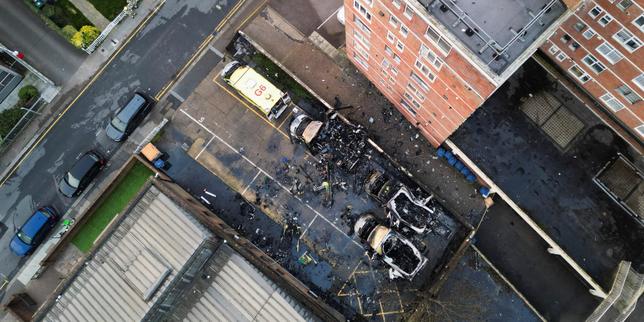
Four ambulances shouldn't be a pile of charred metal on a London street. When those vehicles belong to a Jewish community organzation, the smoke carries a much heavier scent than just burning rubber. It smells like a targeted attempt to cripple a lifeline.
The recent arson attack on the Hatzola Trust’s fleet in North London isn't just a property crime. It’s a direct hit on a volunteer-led medical service that’s been a staple of the Hackney and Haringey communities for decades. Prime Minister Keir Starmer didn’t mince words, calling the incident a "profoundly shocking" antisemitic attack. He’s right to be blunt. When you target a medical service based on the identity of the people running it, you aren't just protesting or making a point. You're attacking the very idea of communal safety.
Why the Hatzola Arson Matters More Than a Headline
Hatzola isn't some obscure private firm. It’s a volunteer emergency medical service (EMS) that bridges the gap between a 999 call and an ambulance arrival. In neighborhoods like Stamford Hill, they’re often the first ones through the door. They don’t ask for a passport or a religious ID before they start CPR. They just help.
Losing four ambulances in a single night of coordinated fire isn't a random act of hooliganism. The Metropolitan Police are treating this as a hate crime for a reason. The timing, the target, and the sheer scale of the destruction suggest a level of premeditation that should make anyone living in a multicultural city deeply uncomfortable.
Think about the logistics for a second. These vehicles cost a fortune. They aren't just vans; they’re mobile intensive care units packed with life-saving gear. Replacing them isn't as simple as calling a dealership and asking for a bulk discount. It takes months of fundraising and specialized outfitting to get one back on the road. For a charity, this is a body blow.
Keir Starmer and the Politics of Hate
The Prime Minister’s swift condemnation reflects a growing anxiety in the UK. Antisemitic incidents have spiked since the escalations in the Middle East, but we’ve reached a point where the spillover is hitting basic infrastructure. Starmer’s background as a former Director of Public Prosecutions means he knows exactly how these cases are built—and how easily they can tear a community's social fabric.
It’s easy to get lost in the "why" when things like this happen. Was it a lone wolf? Was it a group? Honestly, the motive is written in the ashes. When you pick a Jewish ambulance service as your target, the message is clear. You want people to feel unsafe. You want to show that even the people who save lives aren't safe themselves.
The Met Police have been under immense pressure to get a handle on the rising tide of hate crimes. Their response here will be a litmus test. If people can torch ambulances in the middle of London and disappear into the night, it sends a signal that the streets are open season.
The Human Cost of Losing Emergency Vehicles
Let’s talk about the math of an emergency. If an ambulance is five minutes away instead of ten, someone lives. When you remove four high-readiness vehicles from a specific area, you’re adding minutes to every response time in that zone. You're gambling with lives.
- Volunteer burnout: The people who run Hatzola are volunteers. They do this because they care. Seeing your hard work literally go up in flames is soul-crushing.
- Community fear: For the Jewish residents of North London, those ambulances are a symbol of security. Seeing them destroyed feels like an eviction notice from public safety.
- The ripple effect: London’s London Ambulance Service (LAS) is already stretched thin. They rely on groups like Hatzola to take the pressure off. When Hatzola is sidelined, the entire 999 system feels the weight.
It's a mistake to view this through a narrow lens of "community issues." This is a London issue. This is a public health issue.
Dealing With the Rise in Targeted Attacks
We have to stop pretending these are isolated incidents that happen in a vacuum. The UK has seen a massive surge in reported antisemitic acts over the last two years. According to the Community Security Trust (CST), the numbers are hitting record highs. But there’s a difference between a hateful comment on a street corner and the systematic destruction of medical infrastructure.
The authorities need to do more than just tweet condemnations. We need a serious look at how these organizations are protected. If a Jewish school needs high-security fences and guards just to let kids learn their ABCs, and now ambulances need 24/7 surveillance, we've failed as a society.
It’s not just about more cameras. It’s about a legal system that treats these attacks as the existential threats they are. Arson on a medical vehicle should carry a weight that reflects the potential loss of life it causes, not just the insurance value of the paint and metal.
What Happens Now for Hatzola
The organization isn't going to fold. That’s not how they operate. But the road to recovery is long. They’re going to need massive public support to replace what was lost. More importantly, they need to know that the city actually has their back.
If you’re living in London, the best thing you can do is stay informed and support the organizations that provide these services. Check in on your neighbors. If you saw something that night in North London, tell the police. Silence is basically a permission slip for the next person with a gallon of petrol and a grudge.
The London Fire Brigade and the Met are still piecing together the forensic evidence. Until arrests are made, the tension in Stamford Hill will remain high. This wasn't just a fire. It was a message. The only way to answer it is by ensuring these ambulances are replaced and the people responsible are held to account in a courtroom, not just a headline.
Support local volunteer services by donating to their replacement funds. Keep an eye on the official Met Police appeals for information regarding the Stamford Hill area on the night of the attack. Stay vigilant, but don't let fear dictate how you move through your own city.