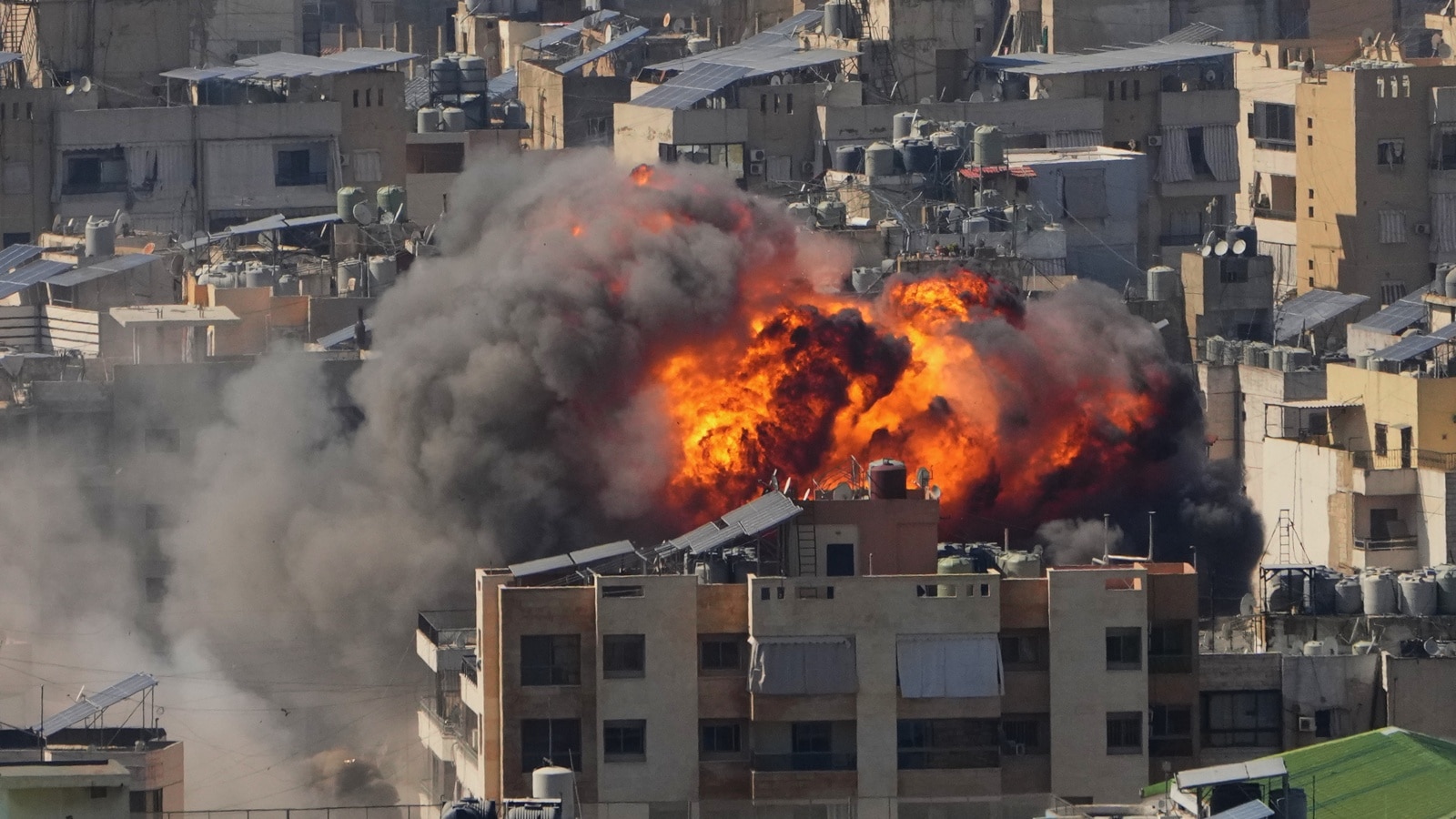
The war in West Asia isn't cooling down. If you've been watching the headlines since the February 28 strikes that took out Supreme Leader Ayatollah Ali Khamenei, you know we're in uncharted territory. On Wednesday, March 25, 2026, the diplomatic "bridge" through Pakistan finally delivered a 15-point US peace plan to Tehran. Iran didn't just say no. They laughed it off as "maximalist" and dropped five demands of their own that basically ask the US and Israel to admit defeat.
We aren't just looking at a disagreement over terms. We're looking at two entirely different realities. Donald Trump says he's talking to the "right people" in Iran. Meanwhile, the Iranian military's top brass, like Lt. Col. Ebrahim Zolfaghari, are on state TV saying they'll never come to terms with someone like him.
The 15 Points Iran Refuses to Touch
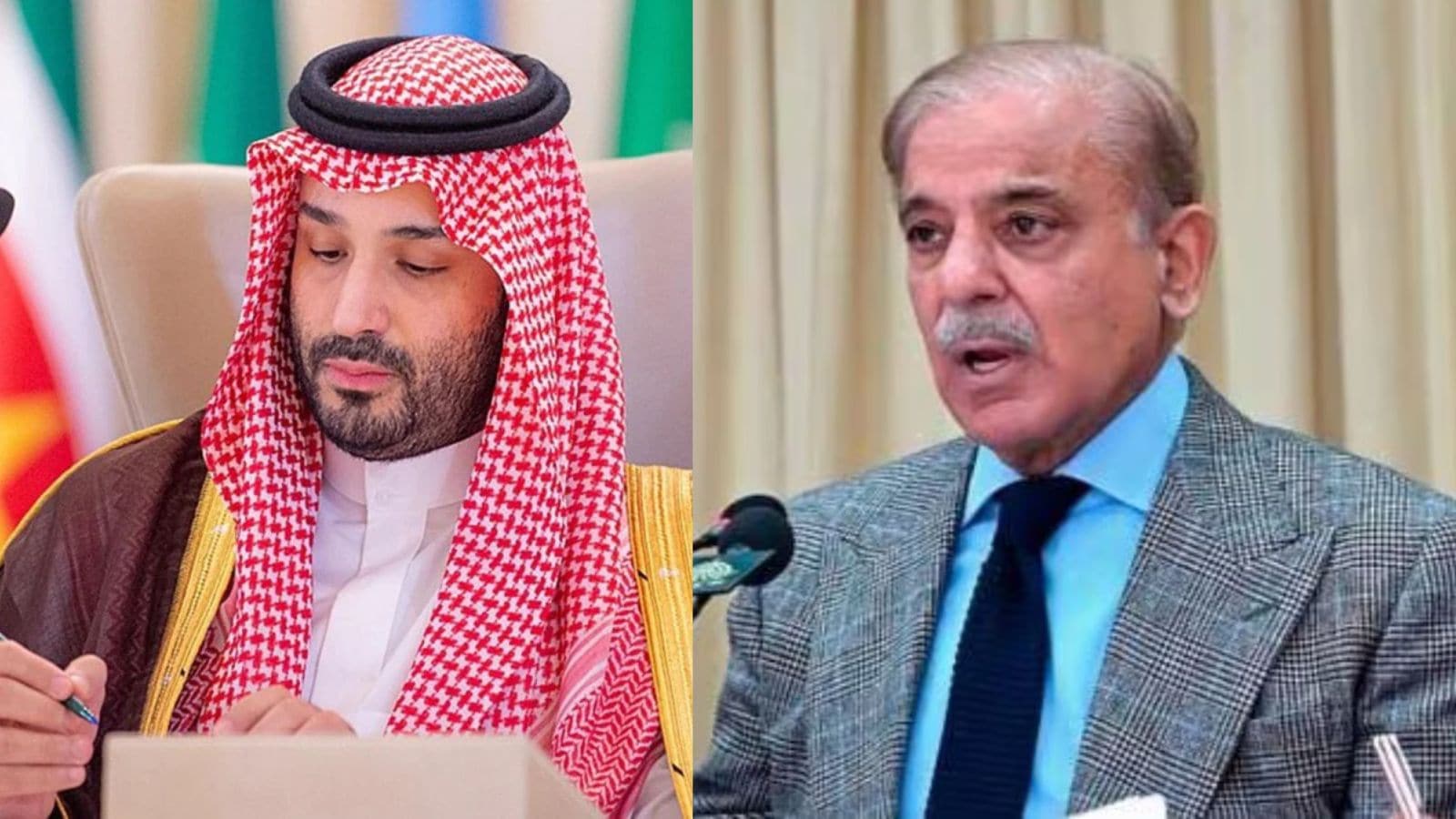
The US proposal, funneled through Pakistani Prime Minister Shehbaz Sharif and Field Marshal Asim Munir, is a classic Trump-era "Art of the Deal" move. It asks for everything upfront. Washington wants a one-month ceasefire to talk, but the price of admission for Tehran is staggering.
According to leaked details from the Associated Press and Israel’s Channel 12, the US plan demands:
- Total Nuclear Dismantling: Decommissioning and destroying sites at Natanz, Isfahan, and Fordo.
- Zero Enrichment: Shipping all enriched uranium out of the country to the IAEA.
- Missile Neutering: Strict limits on the range and number of ballistic missiles, restricted only to "self-defense."
- Proxy Divorce: Ending all funding and direction for groups like Hezbollah and the Houthis.
- Open Waters: Unconditional reopening of the Strait of Hormuz.
In exchange? The US offers to lift sanctions, remove the "snapback" threat of UN penalties, and help with a civilian nuclear plant at Bushehr. For a country currently trading missile volleys with Israel and watching its infrastructure burn, this looks like a surrender document, not a peace treaty.
Tehrans Five Conditions for Peace
Iran’s response wasn't just a rejection; it was a power move. Through Press TV, a senior official made it clear: "Iran will end the war when it decides to do so." They aren't interested in Trump's timeline. They've laid out five specific demands that flip the script entirely.
- Stop the Aggression and Assassinations: This isn't just about a ceasefire. Iran wants a permanent halt to the targeted killings of its leadership and military commanders.
- Ironclad Non-Repetition Guarantees: They want "enforceable measures" so this doesn't happen again. They feel burned by the 2025 negotiations that preceded the current strikes.
- War Reparations: This is the big one. Tehran is demanding financial compensation for the damage to its nuclear sites and infrastructure.
- Absolute Sovereignty Over Hormuz: Iran is demanding formal recognition of its right to control maritime activity in the Strait of Hormuz. For a global economy gasping for oil, this is a nightmare scenario.
- A Front-Wide Ceasefire: No deal happens unless it includes every "resistance group" in the region. That means the US and Israel have to stop fighting in Lebanon and elsewhere too.
Why This Diplomacy is Stuck in the Mud
Honestly, the mistrust here is at a level we haven't seen in decades. Iran’s leadership is fractured. With the Supreme Leader gone, the Revolutionary Guard (IRGC) is flexing its muscles. They view their missile program and regional proxies as their only real armor. Asking them to give those up while Israeli jets are over Qazvin is a non-starter.
On the other side, the US team—featuring Jared Kushner and Marco Rubio—is pushing for "maximum flexibility." They’re deploying more paratroopers from the 82nd Airborne even as they talk about peace. It’s a classic "carrot and stick" approach, but the stick is currently hitting Iran’s fuel tanks at Kuwait International Airport.
The Pakistan Connection
You've got to look at Pakistan here. They’re the only ones both sides are actually talking to. Islamabad is terrified of a total Iranian collapse on its border. They’ve offered to host in-person talks as early as Friday. But even if the US team flies to Islamabad, who do they meet? The Iranian Foreign Ministry says no talks are happening. The military says the war continues until "complete victory."
If you're looking for the next move, watch the Strait of Hormuz. It's the ultimate leverage. Iran has started letting a few ships through—but only after "verifying" them. It’s a reminder that they hold the world's energy jugular. If the US doesn't budge on reparations or the missile program, that "verify" could quickly turn back into "blockade."
The reality is that both sides are still trying to win on the battlefield to get a better seat at the table. Until one side feels it can't win any more ground, these 15 points and 5 demands are just pieces of paper in a burning room.
Check the shipping insurance rates in the Persian Gulf over the next 48 hours. If they spike, it means the market doesn't believe a "Friday breakthrough" in Pakistan is coming.