He didn't just walk away. He vanished. When the news broke that a Florida man allegedly shot and killed his wife and her lover before slipping into the humid night, the immediate reaction was shock. But as the hours turned into days, that shock morphed into a massive, multi-agency manhunt. Law enforcement is currently scouring the state for a suspect they consider armed, dangerous, and desperate. This isn't just a local tragedy. It’s a high-stakes search where every minute counts and the trail is getting colder.
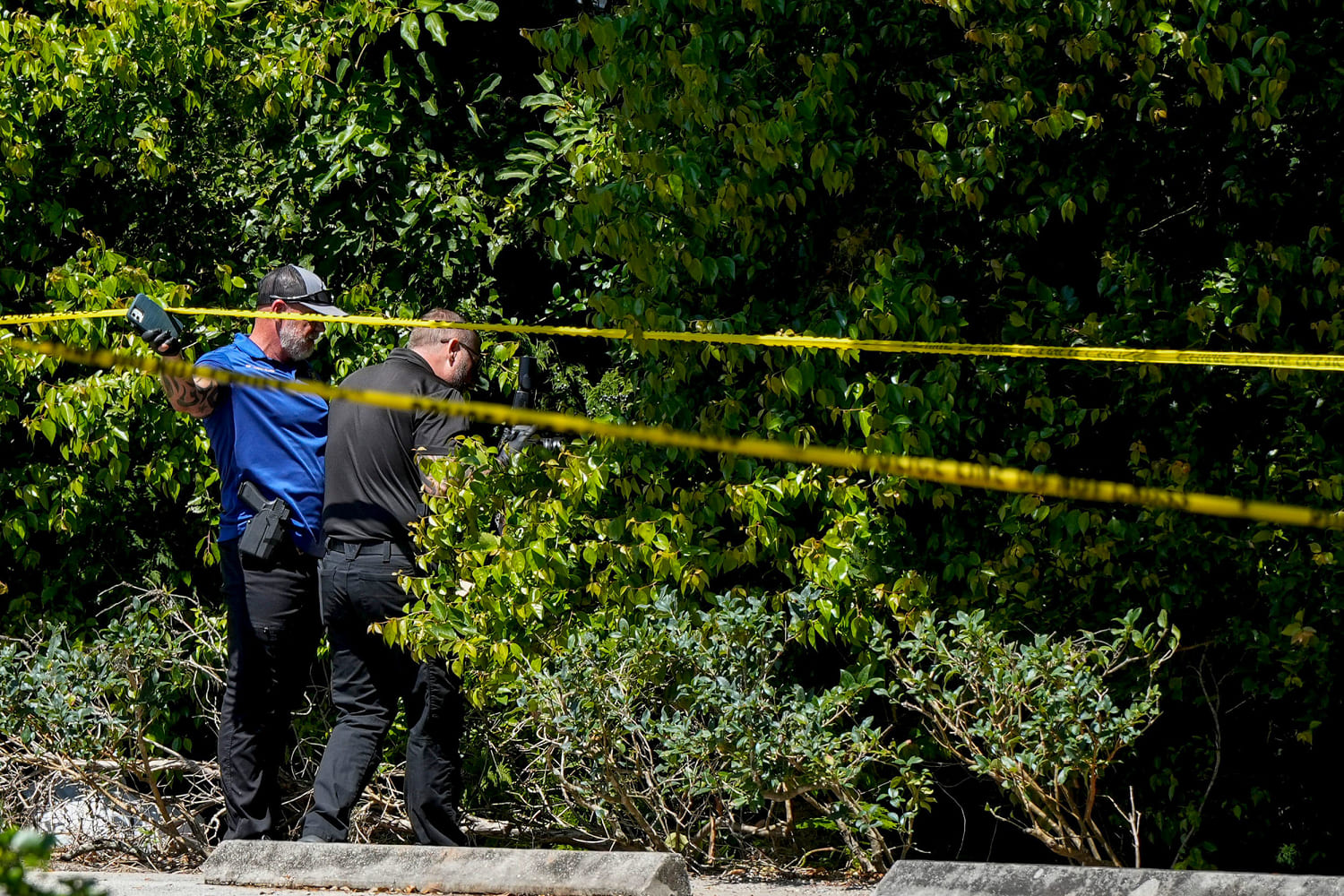
The details are gruesome. Police arrived at a home to find two bodies. The evidence points to a targeted, domestic-related double homicide. It’s the kind of violence that shatters a neighborhood’s sense of safety. While the names and specific addresses are held by officials during the initial stages of the hunt, the core of the story remains the same. A man let rage take the wheel, and now he’s on the run from the law.
Why the First 48 Hours Are Everything
In the world of criminal investigations, the "First 48" isn't just a TV show title. It’s a statistical reality. If police don't catch a suspect within two days, the chances of a quick resolution drop significantly. This suspect had a head start. By the time the 911 calls were placed and deputies arrived, he was already gone.
Law enforcement agencies like the Florida Department of Law Enforcement (FDLE) and local Sheriff's offices use a specific playbook for this. They start with the "inner circle." They're checking cell phone pings, credit card hits, and social media logins. But a smart fugitive knows the first rule of running. You ditch the tech. If he’s off the grid, the police have to rely on old-school detective work and tips from the public.
Florida’s geography makes this even harder. You have thousands of miles of coastline, dense swamplands, and a highway system that can put a person three counties away in an hour. If he has access to a boat or a hidden vehicle, the search radius expands exponentially.
The Psychological Profile of a Fugitive on the Edge
What goes through a person's head after they've committed a double murder? Honestly, it's usually pure survival instinct. Experts in forensic psychology often point out that suspects in domestic homicides are frequently at their most dangerous right after the act. The "heat of passion" has cooled into a cold, hard realization of what they've done.
They know their life as they knew it is over. That makes them unpredictable. Someone with nothing left to lose is a nightmare for police. They might seek "suicide by cop," or they might try to take more people down with them. This is why the warnings to the public are so stern. You don't approach this person. You don't try to be a hero. You call 911 and stay back.
The Role of Domestic Violence Patterns
We shouldn't ignore the lead-up. These events rarely happen in a vacuum. Usually, there's a history. Red flags. Orders of protection. Stalking. While we wait for the full background of this specific Florida case to come out, the pattern is all too familiar. When a partner decides to leave or starts a new relationship, it’s the most dangerous time for them.
Studies from the National Coalition Against Domestic Violence show that the risk of lethality spikes when the abuser feels they've lost total control. In this case, that loss of control ended in a double shooting. It’s a systemic failure as much as it is a criminal one.
How the Public Can Actually Help
Most people think "helping" means going out and looking. Don't do that. The best thing a citizen can do is pay attention to the small things.
- Check your doorbell cameras. Most people don't look at their Ring or Nest footage unless they're expecting a package. If you live in the area, scroll back through the hours following the shooting. Look for unfamiliar cars or people on foot.
- Notice changes in neighbors' behavior. Did someone suddenly leave town? Is a car missing from a driveway that’s usually there?
- Report, don't confront. Even if you're 90% sure it's him, let the professionals handle the contact.
The U.S. Marshals often get involved in these cases because they specialize in fugitives. They have resources local PDs don't, including international reach. If this man is trying to cross state lines or leave the country, he's now dealing with the best man-hunters in the world.
The Legal Aftermath and What Happens Next
When he’s caught—and he almost certainly will be—the legal system in Florida is notoriously tough on capital crimes. Florida still has the death penalty, and a double homicide involving premeditation (or even extreme emotional distress) puts that on the table.
Prosecutors will be looking at every text message, every threat, and every witness statement to build a case for First Degree Murder. The defense will likely argue temporary insanity or a "crime of passion," but that’s a hard sell when two people are dead.
Right now, the focus is strictly on the capture. Every highway patrol officer in the state has a BOLO (Be On the Look Out) on their dashboard. Every toll booth camera is scanning license plates. The net is tightening, even if it doesn't feel like it to the public watching the news.
If you have any information regarding the whereabouts of a suspect in a major crime, contact your local Sheriff's office or Florida Crime Stoppers immediately. Information can often be provided anonymously, and in cases of this magnitude, there is frequently a cash reward for tips that lead to an arrest. Stop looking for the "why" and help the "where." Pay attention to the descriptions released by the police and keep your doors locked until the suspect is in custody.