Power speaks in quiet rooms, behind heavy mahogany doors, where the weight of a signature can erase borders or draw new ones across a map. Down in Caracas, the air hangs thick with the scent of gasoline and old humidity. People line up for hours just to buy bread that costs more than a week’s wages, their pockets heavy with paper bills that lose their value by the hour. They talk in lowered voices about the grocery store shelves, the rolling blackouts, and the endless waiting. But far away, in the clean, sterile corridors of a federal courtroom in Manhattan, an entirely different kind of theater unfolds. It is a theater built entirely on parchment, ink, and the ancient, stubborn fiction of statecraft.
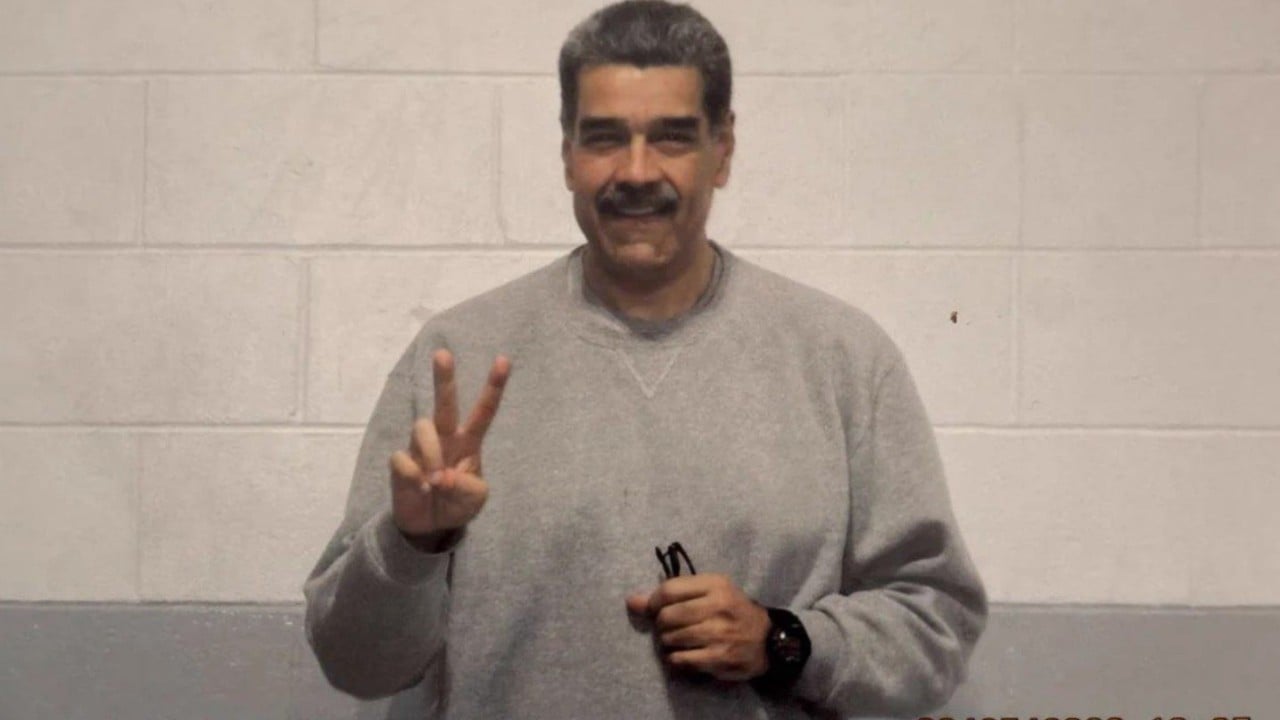
Nicolás Maduro sits thousands of miles away from that federal bench, yet his shadow stretches across the marble floors of the American judiciary. His lawyers have filed the paperwork. They invoke a shield older than modern republics, dusting off the doctrine of head of state immunity. They argue that a sitting president cannot be hauled before a foreign judge to answer for narcotics trafficking charges, corruption, and the systematic dismantling of a nation's democratic pillars. Don't forget to check out our previous coverage on this related article.
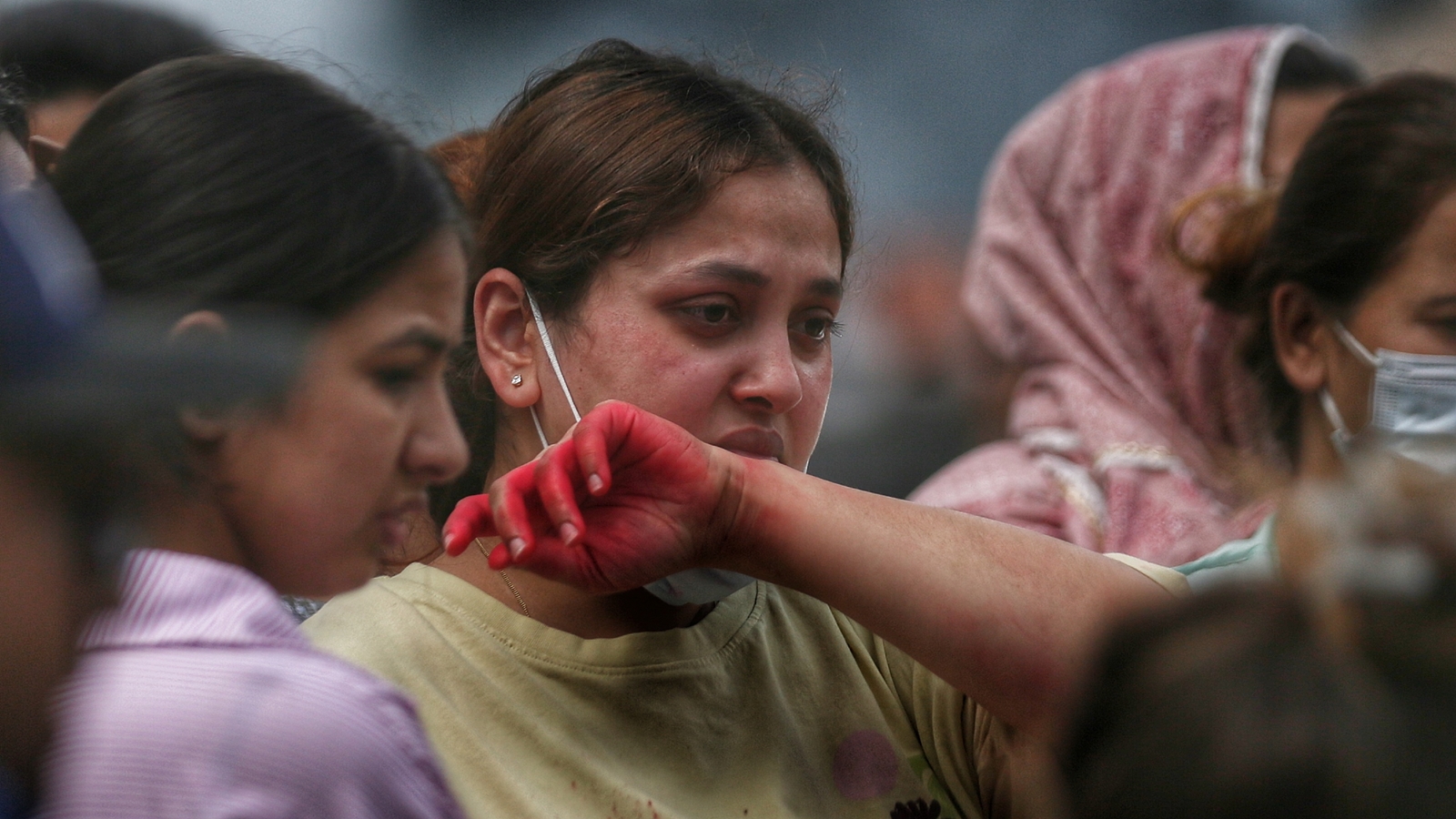
Imagine Elena, a hypothetical schoolteacher who once taught literature in a sun-bleached classroom in Maracaibo. Now she drives an unlicensed taxi through the cratered streets of Bogotá, having traded her chalkboard for a steering wheel after the economy collapsed around her. When she hears about immunity, she does not think of international law treatises or diplomatic protocols. She thinks of the empty medicine cabinets in her mother’s apartment, the cracked pavement of her old neighborhood, and the men in uniform who operate with absolute impunity. To Elena, immunity is not a legal philosophy. It is the wall that separates the powerful from the consequences of their actions.
The United States Department of Justice views the situation through a sharply contrasting lens. Federal prosecutors point to indictments unsealed years ago, charging Maduro with narco-terrorism and drug trafficking conspiracies allegedly executed to flood American streets with cocaine while funding a regime. Washington does not recognize his 2018 or 2024 election victories, treating him not as a legitimate head of state, but as the head of a criminal enterprise masquerading as a government. Because the executive branch refuses to extend diplomatic recognition, the judiciary faces a profound constitutional puzzle. Can a man who holds a nation hostage through force of arms claim the traditional courtesy of sovereign immunity when the hosting government denies his very right to rule? To read more about the background here, NBC News provides an in-depth summary.
Legal battles like this rarely turn on simple right and wrong. They are delicate dances between diplomacy and criminal law. Sovereignty has always been a convenient armor. For centuries, monarchs and dictators wrapped themselves in the flag of non-interference, claiming that domestic abuses were private matters for domestic consumption. But the modern era has chipped away at those fortress walls. Pinochet learned it in London. Milosevic learned it in The Hague. The world grew smaller, interconnected by financial networks and human rights treaties that suggested no leader is entirely beyond the reach of global justice.
Yet Maduro’s defense relies precisely on the hesitation of foreign courts to shatter the precedent of absolute immunity. If a federal judge in New York strips a foreign leader of his protective cloak, what stops other nations from doing the same to American officials? The calculus is inherently political, cloaked in the solemn language of jurisprudence. The State Department holds the ultimate key. Courts routinely defer to the executive branch on questions of who qualifies as a recognized head of state. If the executive says you are not the president, the court doors swing open. If the executive stays silent, the legal machinery grinds to a halt under the weight of diplomatic protocol.
Consider what happens next in this high-stakes game of legal chess. The defense briefs are submitted. The prosecutors counter with memorandums citing universal jurisdiction and the illicit nature of narco-terrorism. Weeks stretch into months while judges pore over centuries-old precedents, trying to fit twenty-first-century transnational crime into eighteenth-century frameworks. Meanwhile, life in Venezuela continues its grinding, exhausting rhythm.
The paradox at the heart of this case is glaring. On one side stands the majesty of international law, designed to prevent nations from descending into perpetual warfare by respecting the sovereign equality of states. On the other side stands the cry for accountability, demanding that those who traffic poison and crush dissent face a reckoning in an open court.
When power is absolute, the law is often the only weapon left for the powerless. But when the powerful use the law's own technicalities to shield themselves from accountability, the weapon feels remarkably hollow. In the end, this legal motion in a New York courtroom is not just about whether a single man can be tried by a foreign judge. It is about whether the architecture of global justice has the teeth to bite through the thickest armor ever devised, or if sovereignty will forever remain the ultimate sanctuary for those who rule through fear.
A lone street vendor in downtown Caracas folds a greasy wrapper around an empanada, wiping his brow against the tropical heat, completely unaware of the latest motion filed in a language he does not speak, in a city he will never visit, regarding a man whose decisions dictate whether he eats tonight.