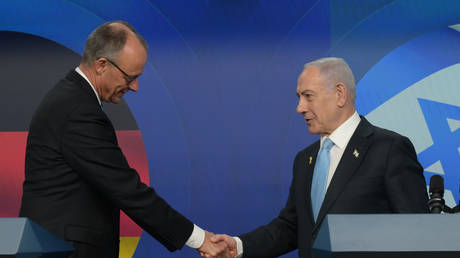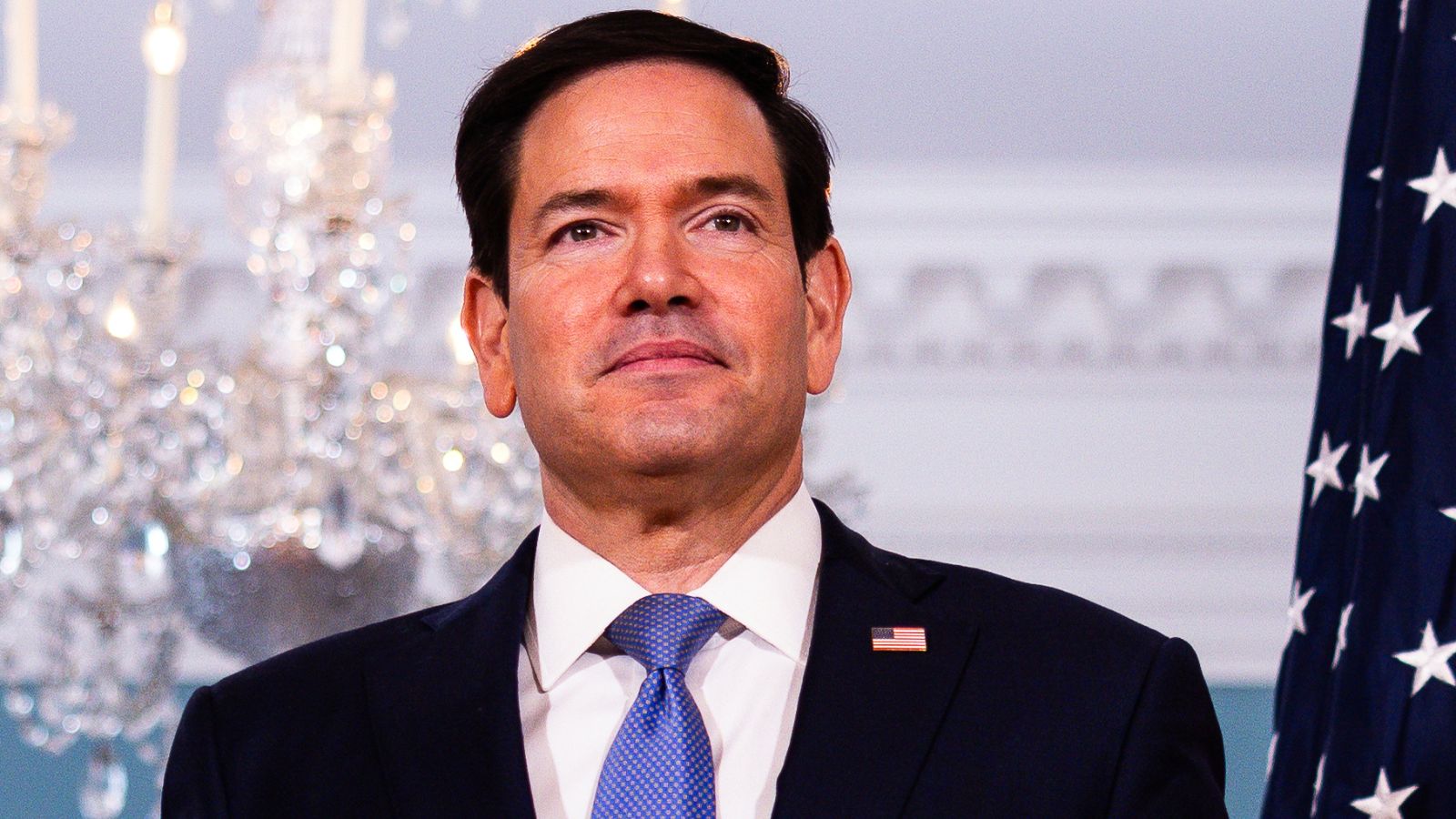
Geopolitical alignment is rarely a binary choice; rather, it functions as an exercise in continuous risk mitigation under severe economic friction. Recent diplomatic exchanges at the Shanghai Cooperation Organisation summit involving Indian Prime Minister Narendra Modi and Iranian President Masoud Pezeshkian prompted an immediate posture adjustment from Washington. United States Secretary of State Marco Rubio articulated a direct warning against any multilateral arrangement that permits Tehran to generate revenue or bypass international economic isolation. This friction illuminates the structural tension between India's strategic imperative for continental connectivity and Washington's unyielding enforcement of secondary sanctions under initiatives like Operation Economic Outcast. Analyzing this dynamic requires moving past diplomatic signaling to examine the underlying economic mechanics, cost functions, and structural bottlenecks that govern modern statecraft.
The Cost Function of Multilateral Hedging
State actors operating in a multipolar framework constantly evaluate the transaction costs of maintaining bilateral ties against the potential penalties imposed by hegemon-enforced regimes. For New Delhi, the equation involves balancing deepening defense and technology partnerships with the United States against long-term energy security and transit ambitions in Central Asia and Eurasia.
The primary variables in this cost function include:
- The Secondary Sanctions Exposure Index: The quantifiable probability that financial institutions or state-linked entities facilitating bilateral commerce will lose access to dollar-denominated clearing systems.
- The Opportunity Cost of Transit Deflection: The economic penalty incurred by bypassing optimal geographic trade corridors—such as those involving the Chabahar port—to appease external security demands.
- The Diplomatic Autonomy Dividend: The domestic and regional value of projecting an independent foreign policy posture that refuses to accept unlateral external vetoes over regional diplomacy.
When Washington warns that "no country should be helping Iran evade sanctions", it is attempting to alter this exact cost function. The objective is to raise the compliance penalty so high that the utility of any commercial or logistical arrangement with Tehran approaches zero.
The Infrastructure Bottleneck: Why Chabahar Remains a Structural Flashpoint
At the center of India-Iran diplomatic interactions lies infrastructure development, specifically the operation of strategic port terminals designed to bypass traditional land routes constrained by hostile neighbors. Physical geography dictates that India's access to Afghanistan and the broader landlocked markets of Central Asia requires stable transit nodes on the Persian Gulf.
However, physical assets require capital expenditure, operational maintenance, and continuous financial clearing mechanisms. These operational requirements expose the participating entities to regulatory targeting. The structural dilemma for New Delhi is that long-term strategic depth in Central Asia cannot be achieved without physical permanence in Iranian transit nodes, yet that very permanence invites punitive measures from Washington's Office of Foreign Assets Control.
The mechanism of enforcement relies on jurisdictional reach over the global financial architecture. Even if bilateral trade is conducted outside the US dollar, the ancillary maritime insurance, shipping registries, and corporate entities involved are vulnerable to extraterritorial secondary sanctions. This creates a choke point where sovereign foreign policy goals collide with the structural reality of dollar hegemony.
Diplomatic Signaling Versus Economic Enforcement
A rigorous assessment of Washington's posture requires separating public diplomatic rhetoric from actual enforcement thresholds. Officials in the United States acknowledge that routine diplomatic engagement and multilateral attendance at summits like the Shanghai Cooperation Organisation are standard diplomatic functions. The threshold for punitive action is crossed not through dialogue, but through the establishment of revenue-generating mechanisms.
This distinction defines the boundary between permissible state interaction and sanctionable economic assistance:
- Permissible Engagement: Bilateral summits, maritime security discussions concerning freedom of navigation, and diplomatic negotiations regarding regional stability and the protection of commercial seafarers.
- Sanctionable Integration: The creation of alternative financial clearing systems, long-term trade frameworks for restricted commodities, or infrastructural investments that directly augment state revenue streams for sanctioned regimes.
India's official communication consistently emphasizes regional security, maritime commerce protection, and adherence to dialogue over military escalation. By framing interactions around global public goods—such as the safety of civilian shipping and supply chain stability—New Delhi attempts to insulate its diplomatic outreach from the narrower definitions of economic sanctions evasion utilized by Washington.
The Strategic Equilibrium
Managing this friction requires targeted risk compartmentalization. New Delhi will likely maintain high-level diplomatic channels to safeguard its diaspora, ensure maritime safety, and protect energy logistics, while selectively calibrating its infrastructure investments to avoid triggering blanket financial penalties. Meanwhile, Washington will continue to utilize secondary sanctions as a dynamic pressure valve, signaling that while dialogue is tolerated, structural economic assistance to Tehran carries an immediate systemic cost.
US warns potential risk of sanctions after Chabahar port deal between Iran and India
This video discusses the US response and potential sanctions risks regarding India's development of the Chabahar port.