The arithmetic of modern American politics is unforgiving, and nowhere is that reality more acute than in the sprawling media markets of Texas. When Republican Senator Ted Cruz publicly flagged a staggering two-hundred-million-dollar price tag for the state's open Senate seat, he was not merely tossing out a campaign figure. He was sounding an alarm bell for a national party apparatus that suddenly realizes its safest stronghold is vulnerable to a coordinated Democratic challenge.
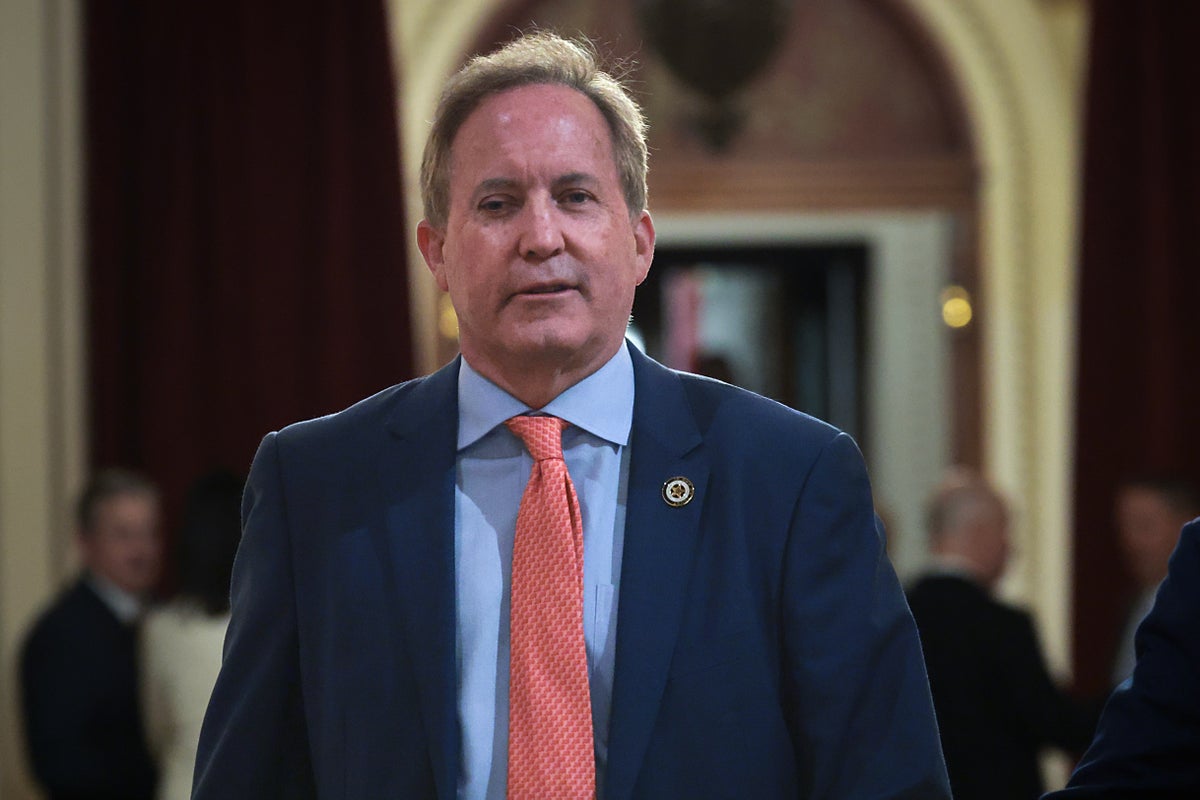
With longtime incumbent John Cornyn falling in the GOP primary and Attorney General Ken Paxton facing off against Democratic state Representative James Talarico, the political ground beneath the Lone Star State has shifted dramatically. National forecasters have reclassified the contest as a toss-up, sending shockwaves through donor networks that traditionally view Texas as a reliable ATM rather than a battleground requiring emergency infusions of cash.
To understand why this specific seat has transformed into an expensive emergency, one must examine the mechanics of contemporary campaign finance. Major political action committees, including Donald Trump’s MAGA Inc., have accumulated massive war chests. Yet, these central entities often hoard resources for presidential infrastructure or safe-state maneuvering, leaving state-level nominees to fend for themselves against well-funded insurgencies. When a state as vast as Texas becomes competitive, the cost of television ad saturation, digital mobilization, and ground-game infrastructure scales exponentially. Buying media time across Houston, Dallas, Austin, and San Antonio simultaneously drains bank accounts faster than almost any other operational expense in American politics.
Talarico represents a brand of Democratic challenger that traditional Republican strategies struggle to contain. By combining populist rhetoric with deeply ingrained regional appeal, the Democratic nominee has managed to attract significant out-of-state small-dollar donations while keeping traditional business-class donors guessing. This dynamic forces the GOP to spend heavily not just on promoting Paxton, but on defining an opponent who refuses to fit neatly into pre-packaged opposition research memos.
Behind closed doors, major conservative donors are expressing deep frustration over where party funds are actually flowing. While national committees scramble to patch holes across multiple Senate battlegrounds—from Iowa to Ohio—the realization that Texas requires a nine-figure defense budget exposes severe strain within the conservative coalition. If a state that has not elected a Democrat to the Senate in three decades demands a two-hundred-million-dollar rescue mission, the entire national map calculation must be redrawn.
The coming months will test whether institutional Republican fundraising machinery can adapt to a shifting demographic and financial reality. Cash alone does not win elections, but in a media market of this magnitude, being outspent or starved of central resources creates an insurmountable ceiling. The Texas Senate race is no longer a peripheral contest watched by political junkies; it is the absolute center of gravity for the congressional majority.
As exterior pressure mounts on national leadership to redirect funds southward, the margin for error narrows for every Republican strategist managing the mid-term map. Every dollar diverted to hold the line in Texas is a dollar unavailable to flip vulnerable seats elsewhere, creating a zero-sum game that could decide control of the upper chamber before the first autumn ballots are cast.
Paxton's Senate campaign and Texas political landscape
This video provides context on the recent high-stakes political events and fundraising efforts surrounding the critical Texas Senate race.