When Pyongyang officially slammed the door on Seoul’s meticulously negotiated humanitarian shipment, international observers expressed shock at the sheer hostility of the refusal. They shouldn't have. North Korea’s rejection of a 6.75 million dollar medical aid package—cleared painstakingly through United Nations sanctions exemptions—was never really about scalpels, bandages, or diagnostic tools. It was a calculated geopolitical execution.
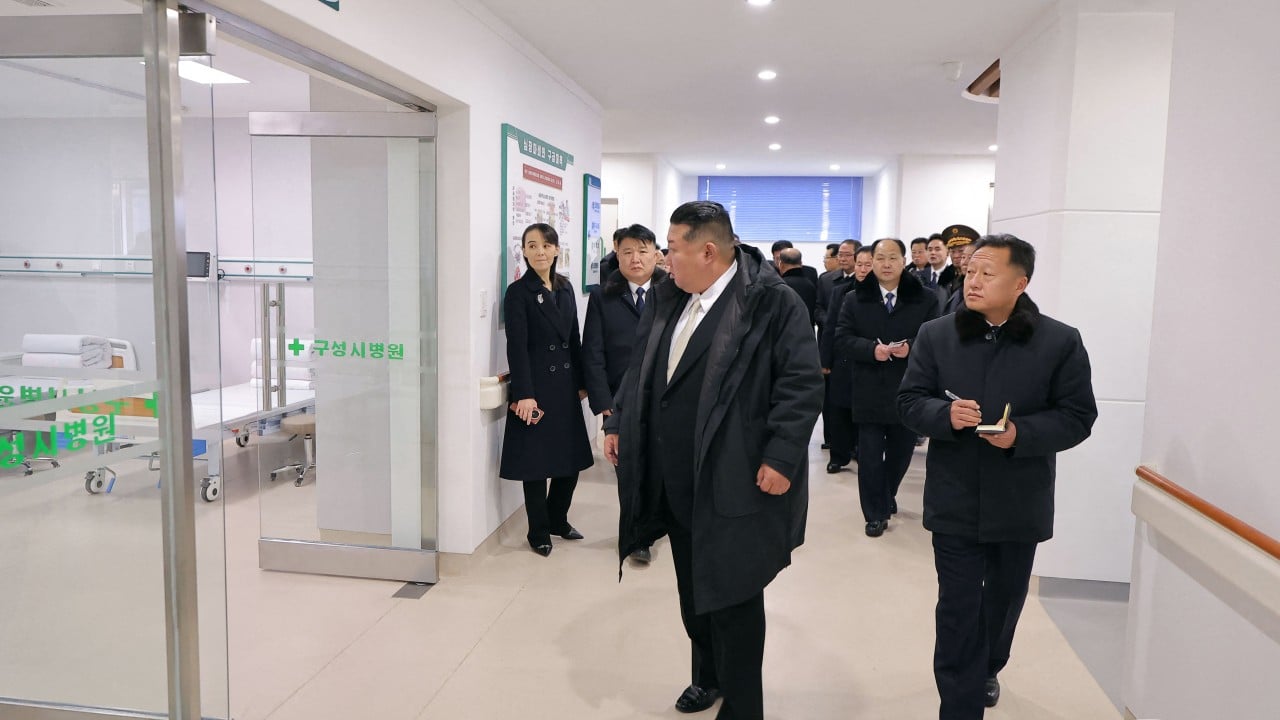
For months, the South Korean Unification Ministry championed the proposed delivery of over 1,400 medical items spanning 166 distinct categories intended to upgrade hospital infrastructure. Seoul viewed the initiative as a humanitarian bridge, a quiet mechanism to keep communication channels open despite escalating military friction across the Demilitarized Zone. Pyongyang saw it entirely differently. Through a scathing public statement delivered by Kim Yo-jong, the regime dismissed the overture as an insult and a political provocation, asserting that the North had nothing to give and nothing to receive from its southern neighbor.
To understand why a regime facing chronic resource shortages would turn away critical hospital supplies, one has to abandon Western logic regarding humanitarian need. In the calculus of the Workers' Party, accepting aid from Seoul is tantamount to acknowledging systemic weakness and ideological vulnerability. Every box of foreign medicine undermines the foundational state myth of self-reliance, known as juche. More importantly, accepting South Korean benevolence creates a political debt that Pyongyang is entirely unwilling to incur.
The timing of the rejection lays bare the underlying strategic shift. The refusal arrived against a backdrop of hardened borders, severed communication lines, and a deliberate recalibration of North Korea's foreign policy toward Beijing and Moscow. Pyongyang no longer views Seoul as a counterpart in a divided national family. It categorizes the South as its principal and most hostile enemy, a permanent adversary with which reconciliation is not merely stalled, but conceptually impossible.
This total breakdown transforms humanitarian gestures into dangerous security flashpoints. When Seoul sought and secured a UN sanctions exemption, it operated under the outdated assumption that basic human needs could transcend political animosity. Pyongyang’s sharp retort signaled that this diplomatic architecture has completely collapsed. The regime is signaling to its domestic populace and external allies alike that cross-border ties are structurally severed.
As the approved UN sanctions exemptions quietly tick toward expiration without delivery, the diplomatic reality becomes stark. The peninsula is no longer governed by back-channel negotiations or incremental aid packages. The machinery of engagement has been dismantled piece by piece, replaced by an unyielding posture of absolute separation.
The medical supplies sitting in bureaucratic limbo will find other avenues or expire in warehouses, but the broken architecture of inter-Korean diplomacy cannot be patched with foreign aid.