The earth does not roar when it comes for you. It whispers first. A low, subterranean growl that rattles the tea cups on the kitchen table and makes the stray dogs in the alleyway howl in unison. Then comes the violent heave, the sound of concrete snapping like dry twigs, and the sudden, suffocating dark.
Ten years ago, the hillsides of Nepal fractured. Thousands died beneath the weight of their own homes.
I remember the dust. It hung over Kathmandu like a shroud for weeks, tasting of pulverized brick and old lime. People slept in the mud of the open parks, clutching transistor radios, waiting for a government voice that took too long to arrive. They built tents out of blue plastic tarps and salvaged timber. They shared pots of dal bhat cooked over open fires on the asphalt.
And then, the cameras left.
The international aid agencies packed their branded tents, loaded their white Land Cruisers onto cargo planes, and shifted their gaze to the next fresh tragedy on the evening news. The survivors were left alone with the silence of their losses and a massive, paralyzing question: how do you build a future out of a graveyard?
History is a stubborn teacher. It leaves breadcrumbs in the rubble, if only we have the courage to look down.
Look back a decade. When the tremors subsided in 2015, the immediate instinct was panic-driven charity. The world flooded the valleys with corrugated tin sheets, temporary shelters, and imported quick fixes. It felt compassionate. It felt urgent. But speed is often the enemy of permanence. Temporary fixes have a terrible habit of becoming permanent slums, baking vulnerability into the very architecture of tomorrow.
Consider what happens when aid arrives without local hands to guide it. You get houses built with foreign blueprints that collapse against the monsoon rains. You get concrete structures that defy centuries of indigenous seismic wisdom.
Earthquakes do not kill people. Buildings kill people.
That is the cold, statistical truth buried beneath the human tragedy. The mountains of Nepal are restless. They will shake again. Geology is patient, and tectonic plates do not care about election cycles or economic five-year plans. The rebuilding in Nepal cannot wait for tomorrow. It has to happen with the fierce, unyielding urgency of a mother reinforcing her child's doorway.
Yet urgency must be paired with memory.
To understand what works, we must look at the villages that survived the shaking. In the rugged backroads of the highlands, ancient homes made of stacked stone and mud mortar often weathered the violent shocks better than cheap, modern cinder block construction. Why? Because they breathed. They flexed. They honored the nature of the ground they sat upon.
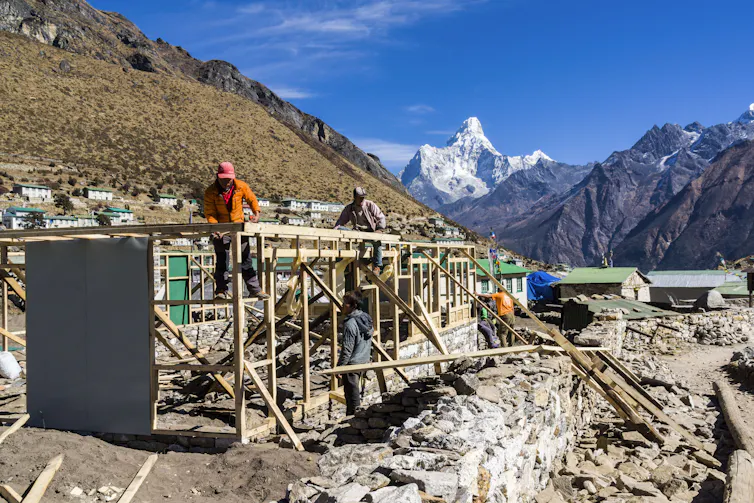
When the post-2015 reconstruction finally gained traction, the most successful initiatives did not drop prefabricated houses from the sky. Instead, they handed the tools, the training, and the mason's hammers back to the villagers themselves. They taught local builders how to retrofit stone walls with seismic bands, turning vulnerable masonry into resilient cages that could hold their ground when the earth shifted beneath their feet.
Money is required, yes. Billions of dollars were pledged by global donors. But money is just a fluid. Without a clear vessel, it spills out and evaporates into corruption, administrative delay, and bureaucratic red tape. The real currency of recovery is local empowerment.
When a farmer learns to lay a foundation that will outlive him, something shifts in his eyes. The victimhood recedes. Agency takes its place.
We must also look unflinchingly at what to avoid. Avoid the temptation of the fast ribbon-cutting ceremony. Avoid centralized authorities dictating architectural designs from distant capital offices without consulting the families who will actually sleep under those roofs. Avoid the corporate rush to profit off disaster capitalism, shipping in substandard materials to pad the profit margins of contractors who will never have to face a monsoon in a tarp-covered ruin.
The scars in the Kathmandu Valley run deep. Walk through the old palace squares and you will still see timber struts shoring up temples that have stood for centuries, monuments leaning like weary old men waiting for permission to rest.
The rebuilding process is not a linear march toward a shiny, modern utopia. It is a messy, grinding negotiation between past trauma and future resilience. It requires patience when the public demands speed. It requires humility when experts think they know better than the people who have lived on those fault lines for generations.
The ground beneath our feet is always a promise made on credit. Someday, the debt will be called in.
When the next tremor rolls through the valleys of the Himalayas, the houses we build today will stand as our testimony. They will whisper of whether we listened to the ghosts of the past, or whether we simply built new tombs disguised as homes.
In the quiet hours before dawn, when the mist rolls down from the snow-capped peaks and settles over the terraced fields, you can hear the sound of a hammer striking stone. It is rhythmic. It is stubborn. It is the sound of a people refusing to be erased by the earth.