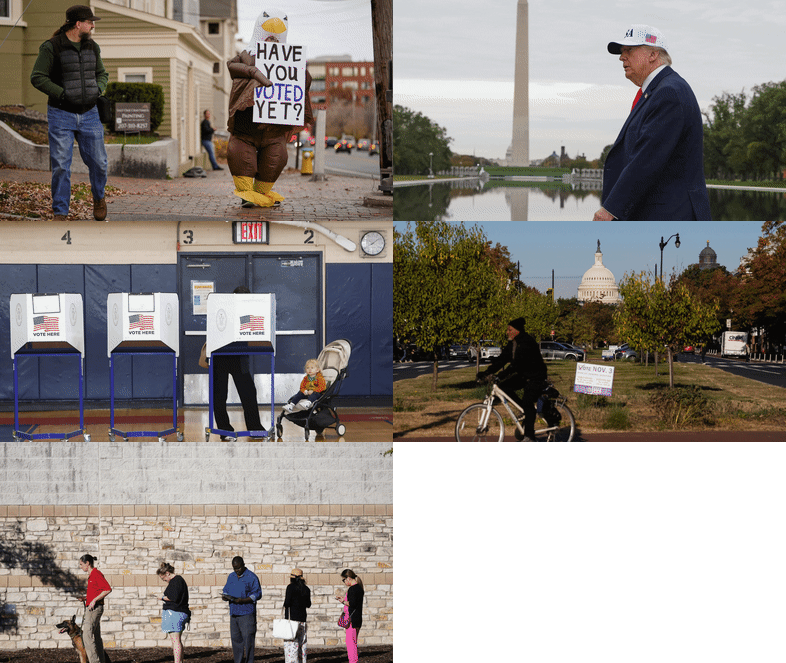
Handing out glazed donuts outside a college polling place sounds like a cheap gimmick. Honestly, that's what most political consultants think until they see the turnout numbers.
When a Texas civic group launched a "Your donut, your vote" push to attract young voters, critics rolled their eyes. They assumed college students and twenty-somethings wouldn't bother casting a ballot just for a free pastry. They were wrong. In states with historically low youth turnout, small, immediate rewards break through the friction of voting far better than million-dollar television ads ever could. Don't forget to check out our previous coverage on this related article.
If you've ever worked a campus voter drive, you know the real enemy isn't apathy. It's friction. Young voters want to participate, yet confusing registration rules, long lines, and unfamiliar polling locations stop them cold. A warm box of donuts doesn't magically cure civic disengagement, but it changes the vibe at the door and turns an intimidating chore into a social event.
The Real Reason Young Texans Skip Elections
Texas consistently ranks near the bottom of the country for voter turnout, especially among residents under 30. According to data from the Center for Information & Research on Civic Learning and Engagement (CIRCLE) at Tufts University, youth turnout in Texas routinely trails the national average during both midterm and presidential cycles. To read more about the history here, Reuters offers an in-depth summary.
Why? Look at the structural hurdles first.
Texas doesn't allow online voter registration. If you're a 19-year-old student who just moved into a dorm in Austin, Denton, or San Marcos, you have to print a physical form, sign it with a pen, and mail it 30 days before Election Day. Most Gen Z voters don't even own stamps. Then come strict voter ID laws, where a standard university-issued student ID isn't accepted at the ballot box, even if it comes from a state-funded public university.
Add high residential mobility to the mix. Young adults move apartments every year. Every move invalidates their old registration address, forcing them to restart the paperwork from scratch. When the system makes participation feel like an obstacle course, people walk away.
How Free Food Changes Voter Psychology
Behavioral economists have studied "nudges" for decades, and food is one of the oldest tricks in the book. You don't bribe someone to vote for a specific candidate—that's a federal crime. Instead, nonpartisan groups offer snacks to anyone participating in the civic process or stopping by an informational booth.
Here's why a simple donut works better than a lecture on civic duty:
- It lowers the psychological barrier. Walking into a government building or community center feels formal and intimidating if you've never voted before. Walking toward a table stacked with pink pastry boxes feels familiar and welcoming.
- It creates social proof. Nobody wants to be the only person standing in a quiet hallway. When twenty students gather around a coffee and donut station outside a campus union, other students stop to see what's happening.
- It rewards the effort immediately. Politics moves slowly. You cast a ballot in November, and maybe a local policy shifts two years later. A donut provides instant gratification right after you wait in line.
I've watched campus organizers spend hours explaining local bond measures to students who just stare blankly and keep walking. Put a tray of kolaches or donuts next to that exact same flyer, and suddenly those same students stop, ask where their polling room is, and actually check their registration status on their phones.
What Texas Law Actually Says About Voting Perks
Before any organizer buys fifty dozen donuts, they have to navigate a strict legal minefield. Both federal and Texas state laws draw a hard line between encouraging turnout and buying votes.
Under federal law (18 U.S.C. § 597), it's illegal to pay or offer to pay someone to vote or to vote for a specific candidate. Texas Election Code has similar provisions against offering anything of value in exchange for a ballot. Even handing out bottled water in line has sparked fierce legal battles in states like Georgia and Texas over where "electioneering" ends and basic hospitality begins.
To stay completely legal, Texas voter outreach groups follow three strict rules:
- Keep it strictly nonpartisan. Groups cannot wear candidate merch, display party logos, or suggest who anyone should vote for near the food table.
- Offer food to everyone. You can't require proof that someone actually cast a ballot. If a student walks up and asks for a donut without voting, you hand them the donut anyway. It's an outreach tool, not a transaction.
- Respect the 100-foot marker. Texas law prohibits electioneering within 100 feet of a polling place entrance. Nonpartisan food tents set up outside that boundary so poll workers never have to question their intent.
Why Traditional Youth Outreach Fails
Political campaigns love burning cash on digital ads, text blasts, and glossy mailers. Most of it goes straight into the trash or gets ignored.
Think about how a 20-year-old experiences an election cycle. Their phone gets flooded with spam texts from unknown numbers begging for $5 donations. Their Instagram feed fills up with polished, thirty-second attack ads that feel completely disconnected from their daily life. By October, they're exhausted. They tune everything out.
Face-to-face outreach cuts through that noise because it's human. When a peer hands you a donut and says, "Hey, early voting is open right upstairs until 7 PM—do you know if your registration is active?", you actually listen. You aren't being talked down to by a politician. You're just having a quick conversation with someone your own age.
The Campus Early Voting Advantage
In Texas, early voting lasts nearly two weeks and usually includes weekend hours. Smart student groups don't wait until Election Day to bring out the food. They set up near campus polling locations during the first week of early voting when lines are short.
If a student has a 15-minute gap between classes, they won't spend it waiting in a 45-minute Election Day line. They will spend five minutes grabbing a free breakfast taco or donut and casting an early ballot when there's zero wait. Timing the food drop with class changes turns dead time into votes.
Common Mistakes Organizers Make With Food Drives
Giving away free food sounds foolproof, yet plenty of campus groups still botch it. If you're planning a nonpartisan voter drive, avoid these rookie errors:
- Setting up too far from the polls. If students have to walk half a mile from the donut table to the voting machines, they'll eat the pastry and go back to their dorm. Set up directly along the main foot-traffic path leading to the polling entrance.
- Forgetting registration verification tools. Having QR codes printed on large signs that link directly to the Texas Secretary of State's "Am I Registered?" portal is essential. Many young voters think they're registered when they actually aren't.
- Ignoring dietary restrictions. It sounds minor, but having a few vegan or gluten-free options alongside standard glazed donuts signals that you actually thought about the crowd you're trying to reach.
- Running out of supplies at peak hours. Campus foot traffic surges between 11:00 AM and 2:00 PM. Running dry at noon kills your momentum right when the most students are walking by.
How to Run a Compliant Voter Outreach Event
If you want to replicate this approach on your own campus or in your local community, keep the setup simple and focused on removing friction.
Partner with an established nonpartisan organization like the League of Women Voters or a recognized student government association so you have institutional backing and clear legal guidelines. Confirm the exact polling location hours with your county elections administrator at least two weeks in advance, since campus room assignments change frequently. Print simple, readable signs explaining valid Texas voter IDs—like a Texas driver's license, DPS personal ID, or U.S. passport—so nobody gets turned away at the check-in table.
Show up early, keep the coffee hot, and focus on answering basic logistical questions rather than debating politics. When you make voting easy, welcoming, and just a little bit sweeter, young people show up.