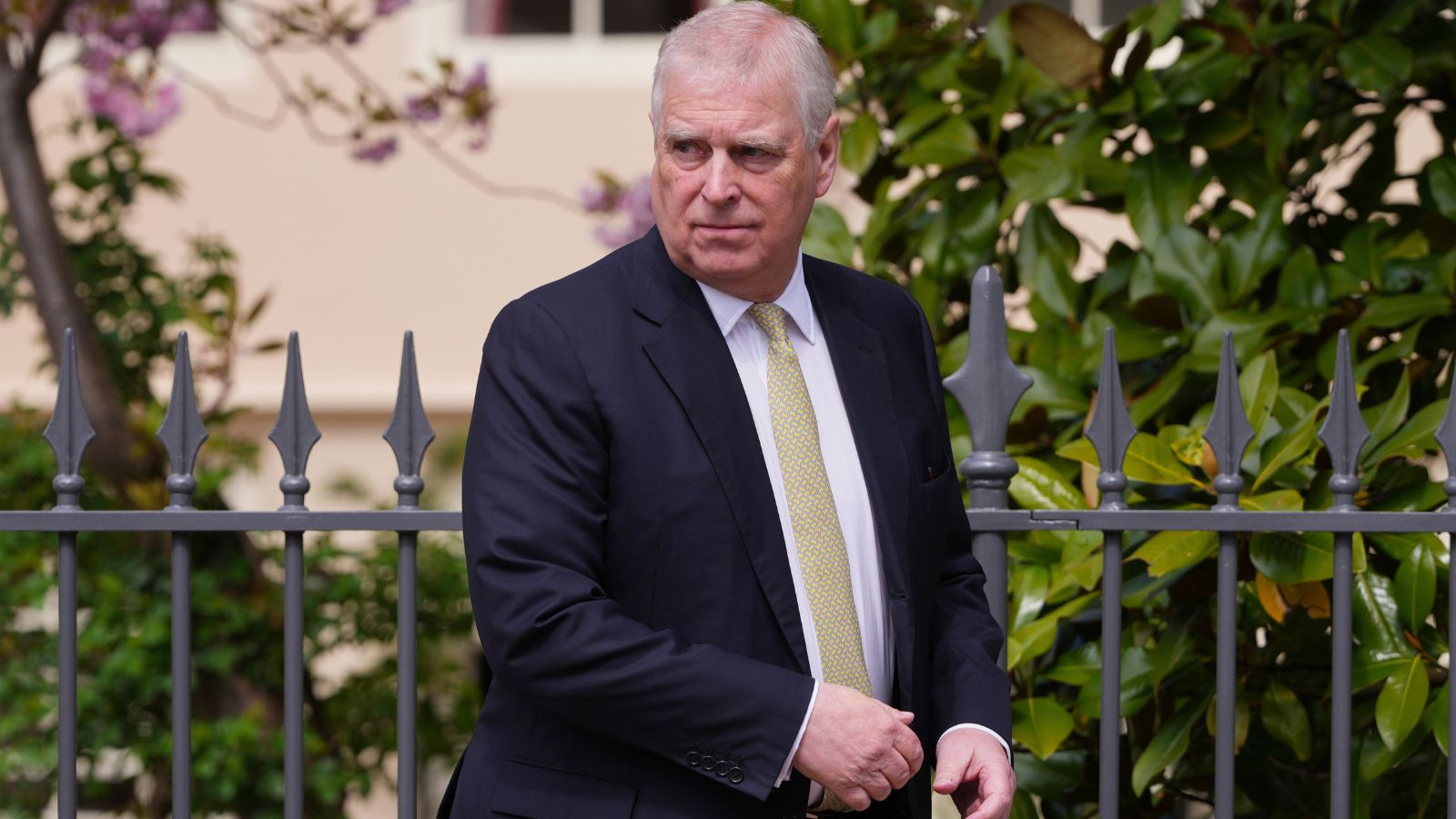
The morning air in Windsor usually carries the scent of damp earth and centuries of curated silence. It is a quietude bought and paid for by a thousand years of tradition. But that silence broke with the metallic click of handcuffs. It was a sound that echoed not just through the corridors of the Royal Lodge, but through the very foundations of the British monarchy. Andrew Mountbatten-Windsor, once the heroic naval pilot and the favorite son of a Queen, was no longer a Prince protected by the velvet ropes of history. He was a suspect.
The charge is misconduct in public office. It is a clinical, legalistic term that feels far too small for the gravity of the moment. To the average person, misconduct is a filing error or a missed meeting. In the context of a man who sat at the right hand of the Sovereign, it is an accusation of a betrayal so deep it threatens to dissolve the thin line between public service and private indulgence.
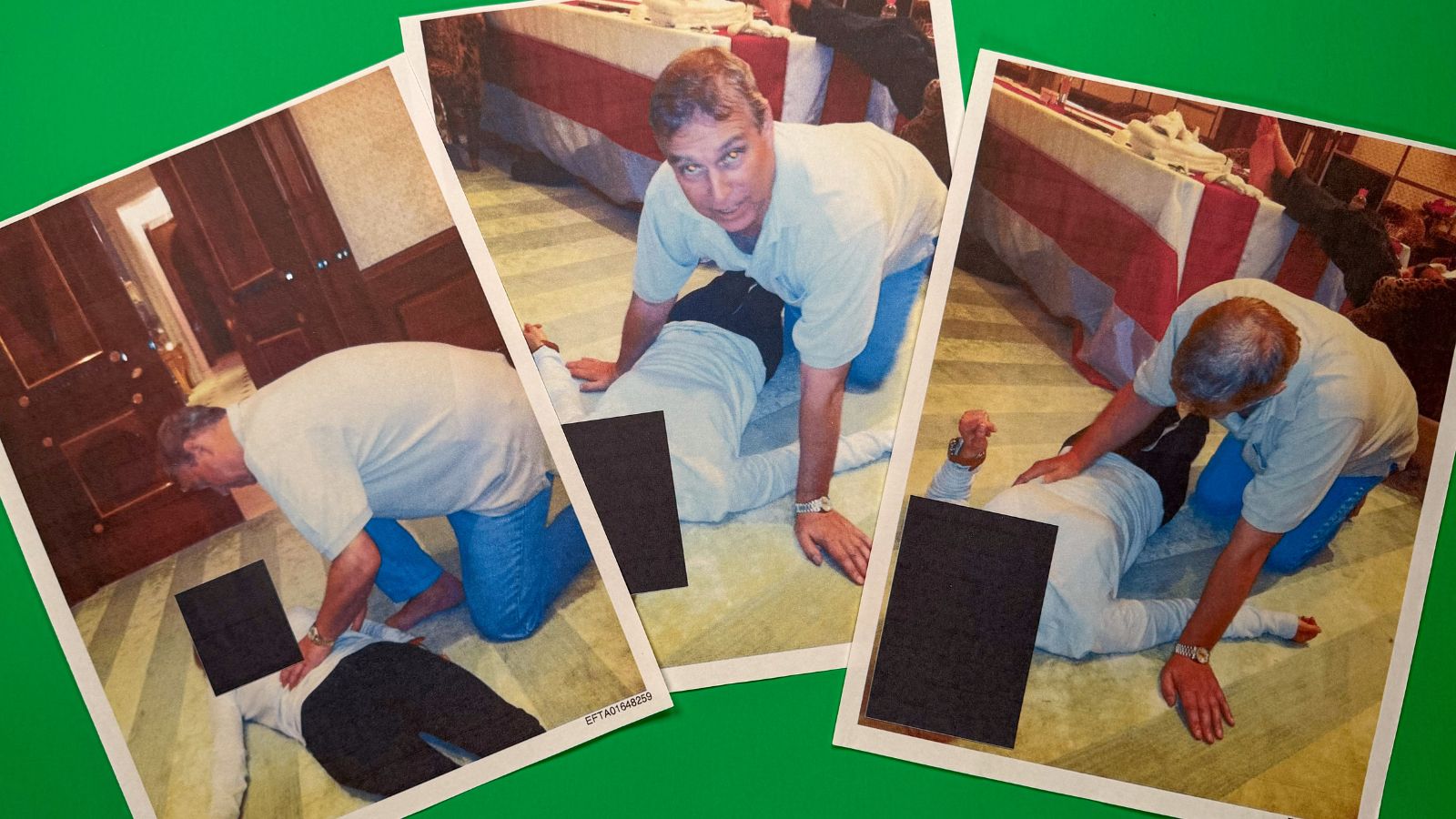
For years, the names on the Epstein flight logs were whispers in the dark. They were ghosts haunting the peripheries of high society, dismissed by many as tabloid fodder or the fever dreams of conspiracy theorists. Then the files opened. The ink was dry, but the implications were bleeding. The documents didn't just list names; they mapped a network of power that operated without oversight, fueled by the belief that some men are born too high to ever truly fall.
The Weight of the Gilded Chain
Imagine growing up in a world where your every whim is a command, yet your entire life is a script written by someone else. You are the "Spare." You have the wealth of a King but none of the purpose. This isn't an excuse for what followed, but it is the soil in which the rot began. When a person has everything provided and nothing to do, they often go looking for a different kind of thrill. They seek out the company of those who don't care about titles, but rather about what those titles can buy.
Enter Jeffrey Epstein. He didn't just offer luxury; he offered a world where the rules of the common man were an optional suggestion. For a Royal struggling to find relevance in a modern Britain that was increasingly skeptical of inherited privilege, that siren song was irresistible.
The arrest by UK police wasn't a sudden whim. It was the result of a slow, agonizing accumulation of evidence that finally outweighed the political risk of touching a member of the House of Windsor. For King Charles, this is more than a family tragedy. It is a structural failure. He is a man trying to "slim down" the monarchy, to make it leaner and more accountable to a public struggling with a cost-of-living crisis. Now, he must watch his own brother be processed through the same system that handles common thieves and fraudsters.
The Invisible Victims and the Public Trust
We often talk about these cases in terms of the "fall from grace." We focus on the high-born man losing his medals, his titles, and his dignity. But the real stakes aren't found in the Royal Lodge. They are found in the stories of the young women who were used as currency in this shadow economy of influence.
The crime of misconduct in public office exists because we, the public, enter into a silent contract with our leaders. We grant them status, security, and power. In exchange, they are expected to uphold the integrity of the state. When that power is used to shield oneself from the consequences of dark associations, or to facilitate a lifestyle that preys on the vulnerable, the contract is incinerated.
Consider the optics of the arrest. There were no horse-drawn carriages. There was no choreographed pageantry. There were just plain-clothes officers and a somber realization that the era of "never complain, never explain" had reached its terminal point. The police didn't just arrest a man; they arrested an idea. The idea that a bloodline is a bulletproof vest.
A House Divided by the Truth
The atmosphere inside Buckingham Palace is reportedly one of "controlled devastation." But beyond the palace walls, the sentiment is different. There is a grim satisfaction in seeing the wheels of justice turn, even if they turned at a glacial pace. For decades, the British public has been told that the Royals are the moral compass of the nation. If the compass is spinning wildly, pointing only toward self-preservation, what use is it?
This isn't just about Andrew. It is about the systemic rot that allows individuals in high places to believe they are the state. Misconduct in public office is a unique charge because it requires the prosecution to prove that the defendant acted in a way that falls "so far below the standard expected of a public officer as to amount to an abuse of the public’s trust."
How do you measure that trust? You measure it in the frustration of the taxpayer who sees their hard-earned money funding the security of a man under investigation for such heinous associations. You measure it in the eyes of the survivors who were told for years that their voices didn't matter because the people they were accusing were untouchable.
The Long Shadow of the Flight Logs
The Epstein files were a Pandora’s Box that many hoped would remain locked in a New York evidence room. Instead, they have become a roadmap for investigators across the globe. The UK police's move suggests that they have found something in those pages—or in the subsequent interviews—that makes the Prince’s position untenable.
It is a sobering thought: the same man who represented British trade interests abroad was allegedly moving in circles where human beings were treated as disposable commodities. The dichotomy is jarring. On one hand, the ceremonial uniforms and the waving from balconies. On the other, the private jets and the secluded islands where the sun never sets on a different kind of empire.
The King now faces a choice that will define his reign. Does he retreat into the traditional role of the protector, or does he allow the law to take its course without interference? Every move he makes is being watched by a public that is no longer content with "thoughts and prayers" or vague statements of concern. They want accountability. They want to know that in the eyes of the law, a Mountbatten-Windsor is the same as a Smith or a Jones.
The Silence After the Storm
There is a specific kind of coldness that settles over a house when the master is taken away in the back of a car. It is the coldness of a legacy being dismantled in real-time. The Royal Lodge, once a symbol of the Prince's defiance—his refusal to move out, his refusal to fade away—is now a crime scene in the court of public opinion.
The arrest is not the end of the story. It is the beginning of a long, painful reckoning for an institution that has spent centuries perfecting the art of survival. But survival usually requires shedding the parts that have become necrotic.
The image that remains is not of the Prince at his height, leading a fleet or standing on a balcony. It is the image of a man realizing, perhaps for the first time in sixty years, that the walls of the palace are not thick enough to keep out the truth. The gilded cage has been opened, and what stepped out was not a Prince, but a man who must finally answer for the shadows he invited into the light.
The silence has returned to Windsor, but it is different now. It is heavy. It is expectant. It is the silence of a country waiting to see if its laws are truly stronger than its legends.