The air inside the glass pavilion in Ankara felt heavy, smelled faintly of stale coffee and expensive cologne, and carried the unmistakable hum of an impending storm. Outside, the Turkish sun beat down on the 2026 NATO summit, but inside, the atmosphere was frozen. Mark Rutte, the NATO Secretary General, sat stiffly in his armchair, a polite, frozen smile plastered across his face. Next to him sat Donald Trump.
A single question hung in the air, lobbed by a reporter into the sudden silence: Was the ceasefire with Iran officially dead?
Trump did not hesitate. "For me, I think it's over," he said, his voice cutting through the diplomatic veneer of the room. "I don't want to deal with the Iranians. They are scum."
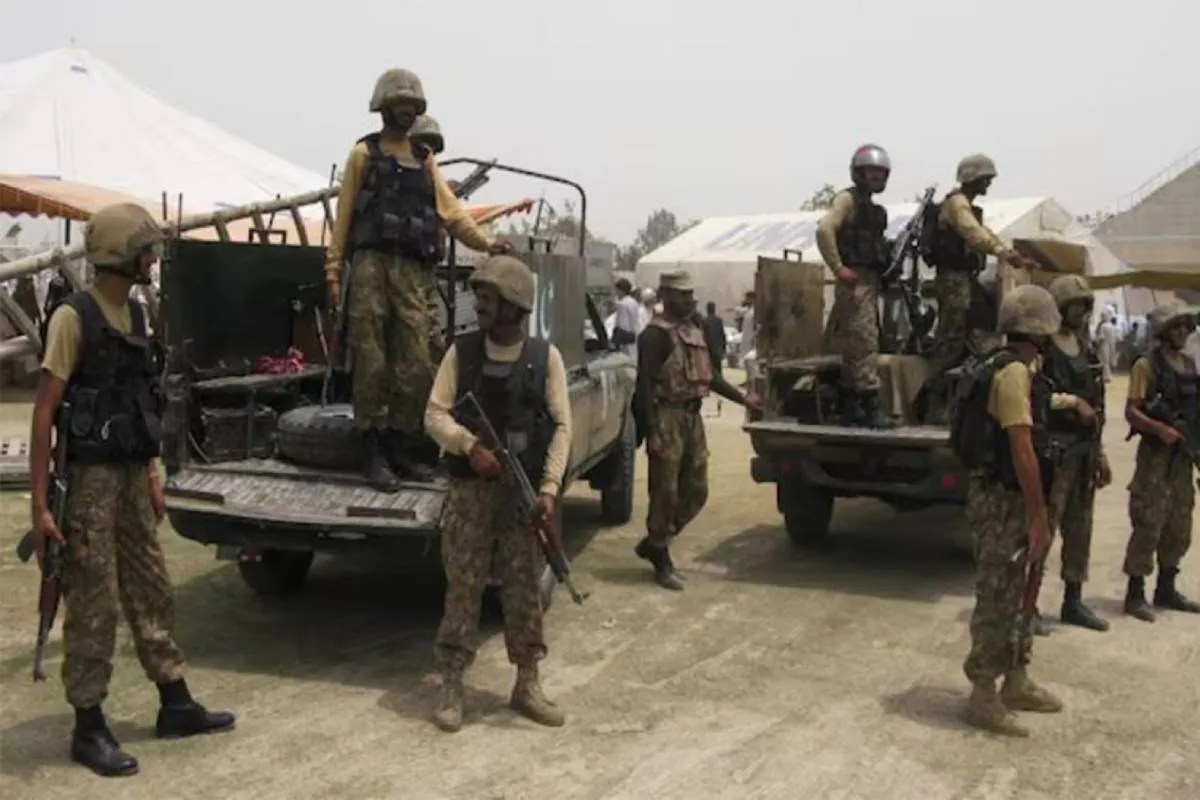
Just like that, a fourteen-point memorandum of understanding, negotiated through months of grueling back-and-forth by Pakistani mediators, evaporated into thin air. The fragile peace that had held the global economy by a thread since April was gone.
Consider what happens next when a superpower turns off the lights on diplomacy. It is not just a matter of headlines; it is a shift in the tectonic plates of daily life for millions of people who will never step foot in Ankara.
The Friction of Distance
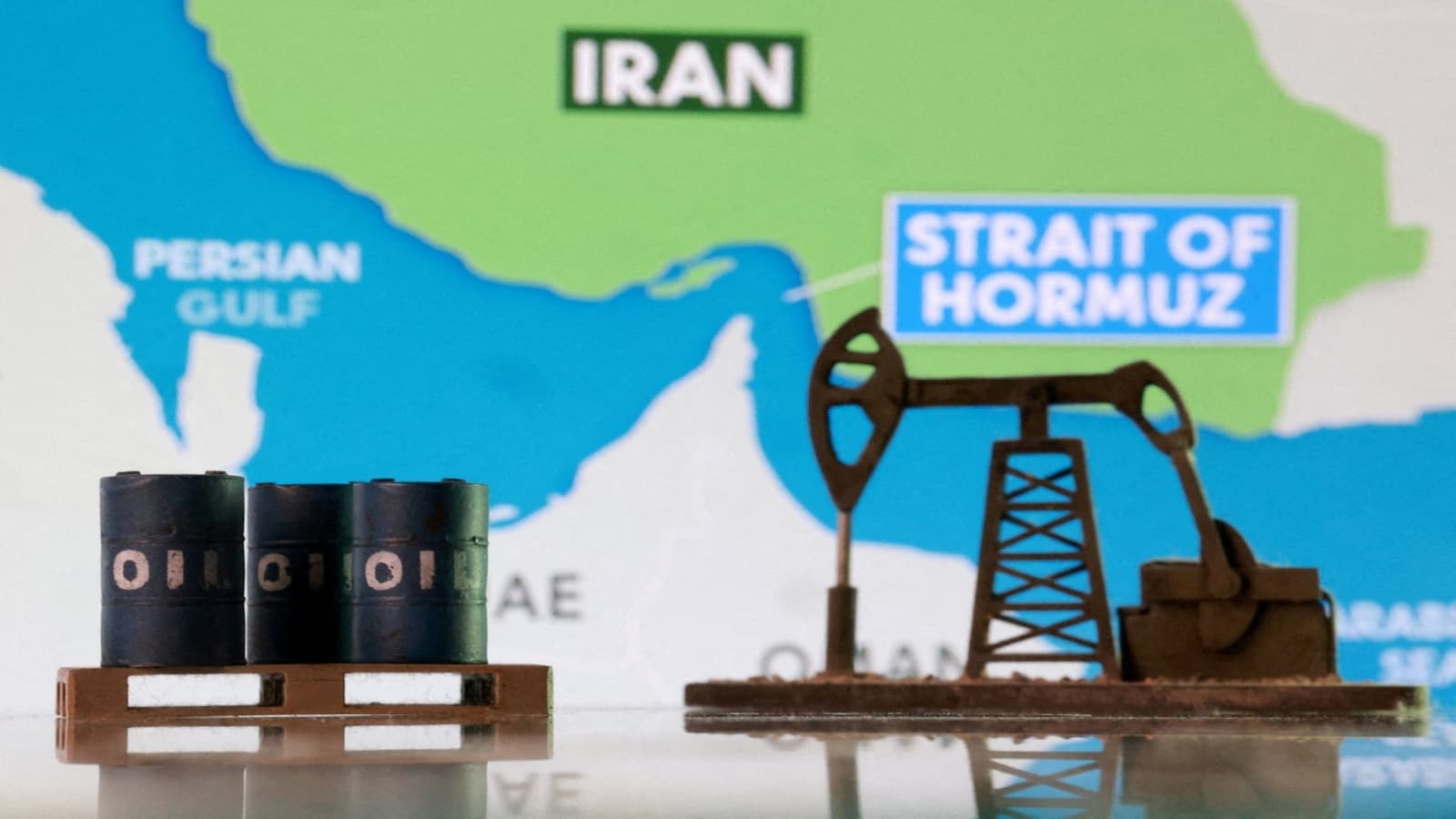
To understand the weight of that moment, look past the marble halls of the summit and look at the black water of the Strait of Hormuz.
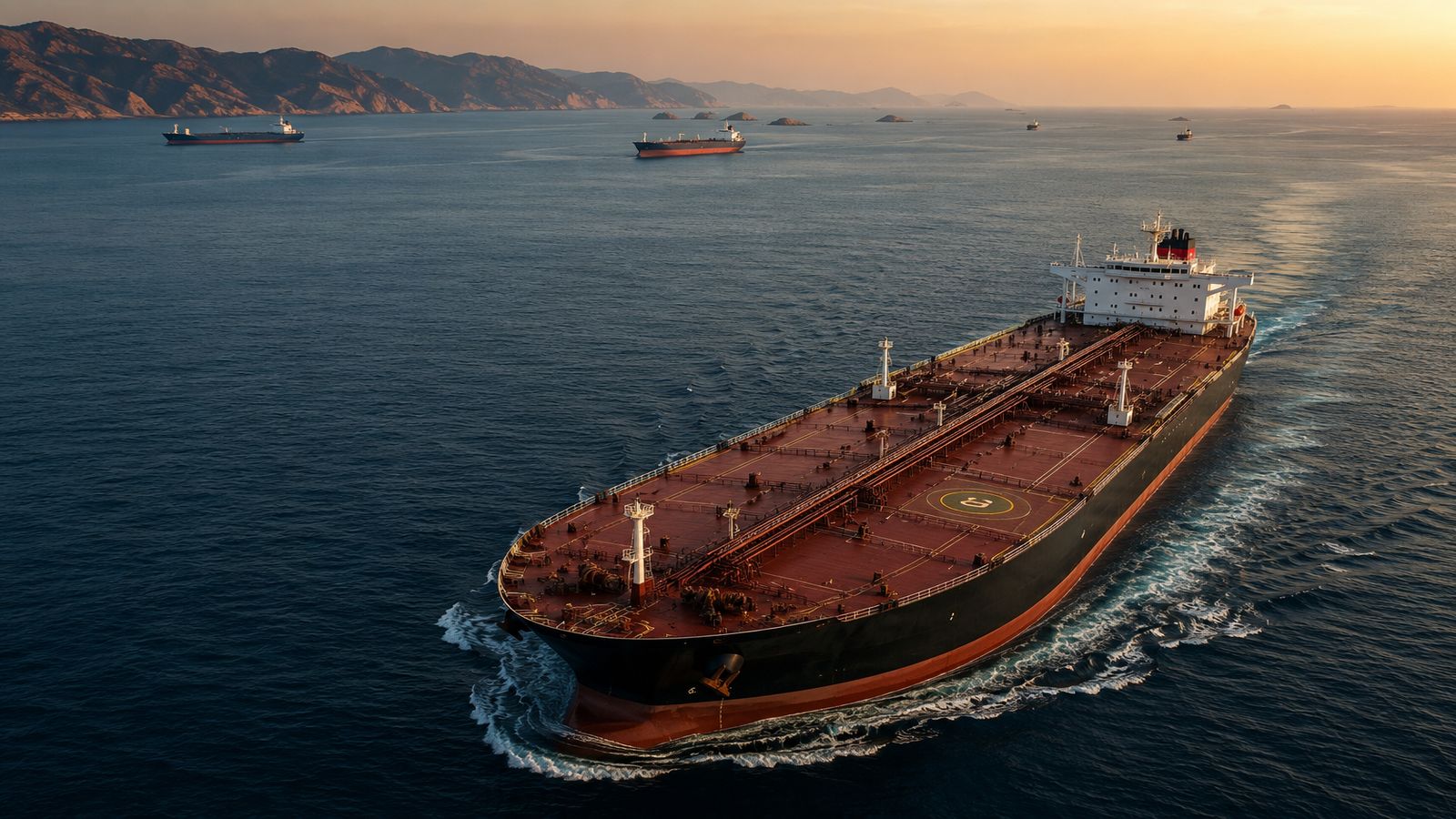
Imagine a container ship captain. Let us call him Marcus. He is not a politician. He is a forty-five-year-old father from Greece who commands a massive commercial vessel transiting the narrow strait. For Marcus, the ceasefire was not an abstract political victory; it was the difference between a peaceful night's sleep and staring at a radar screen, waiting for the sky to explode.
On Tuesday, the illusion of safety shattered. Three commercial vessels—the Marshall Islands-flagged M/T Al Rekayyat, the Saudi-flagged M/T Wedyan, and the Liberian-flagged M/T Cyprus Prosperity—were targeted by Iranian rockets.
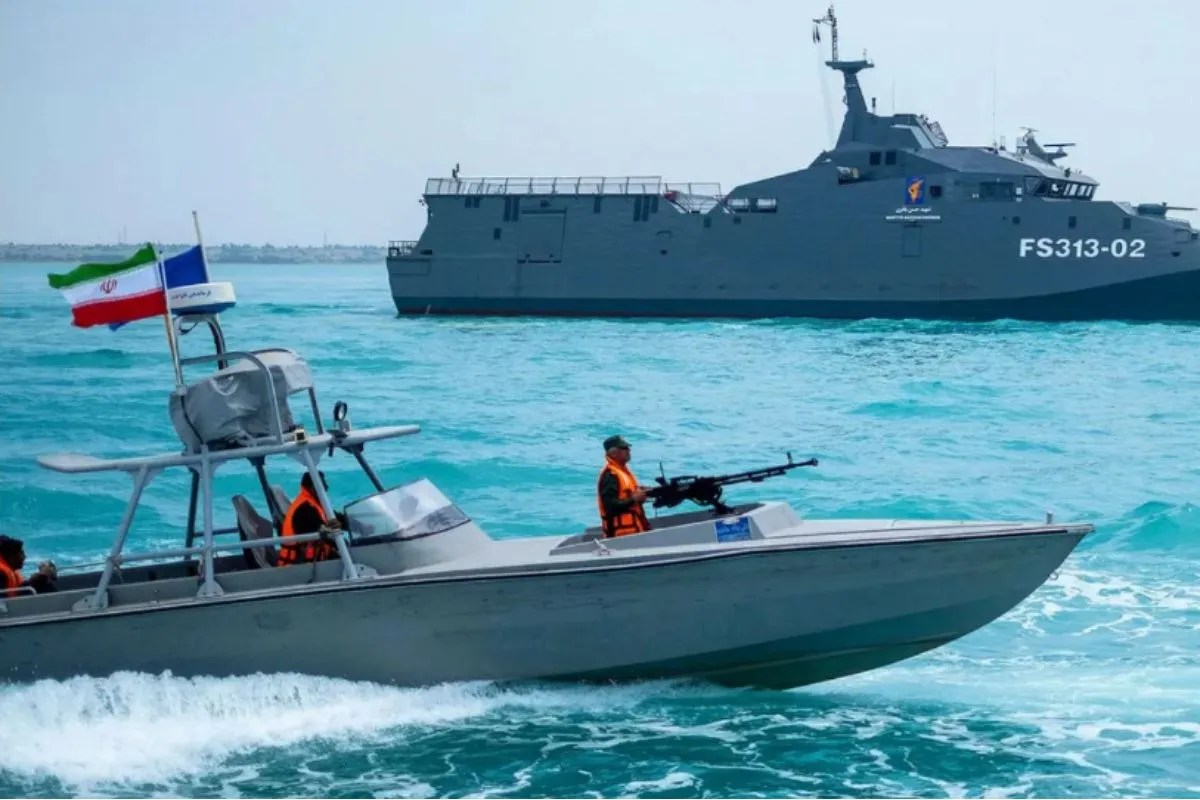
The American response was swift and devastating. Overnight, U.S. Central Command launched a massive wave of offensive strikes. More than eighty targets were hit. Tomahawk missiles and precision-guided bombs slammed into Iranian air defense systems, command networks, coastal radar stations, and over sixty Revolutionary Guard small boats.
The sky over the Persian Gulf turned a violent orange. For men like Marcus, the water was no longer a highway of commerce. It was a shooting gallery.
But the friction of this war extends far beyond the Middle East. Trump’s ire in Ankara quickly spilled over from Tehran to his own allies. Sitting next to Rutte, he launched into a sweeping critique of Western unity. He complained bitterly that European nations had refused to let American bombers use their airbases for missions against Iran.
"The United Kingdom wouldn't let us use the island for two weeks, so we had to fly back," Trump grumbled, a direct jab at Prime Minister Keir Starmer.
Then came Spain. Angered by Madrid’s refusal to meet a 3.5 percent defense spending target, Trump threatened a total cutoff of trade with the country. The Spanish government issued a calm, measured response, attempting to defuse the tension by highlighting their deep cultural and economic ties. But the message from Washington was clear: you are either entirely with us, or you are on your own.
The Invisible Tax on Reality
When the architecture of global security cracks, the bill arrives immediately. It does not go to the pentagons or the parliaments of the world first; it goes to the consumer.
As news of the broken ceasefire traveled from Ankara to the trading floors of London and New York, a collective panic rippled through the markets. The reaction was instantaneous.
- Brent crude futures surged, adding more than 5 percent in a matter of hours.
- West Texas Intermediate (WTI) leaped upward in tandem, signaling a brutal spike at the gas pump for everyday drivers.
- Global stock indices tumbled, erasing billions in value as investors realized the maritime chokepoint of the world was closing again.
This is the invisible tax of geopolitical instability. A consumer buying groceries in Ohio or filling up a delivery truck in Munich pays for the missiles fired over Hormuz. The supply chains that keep the modern world moving rely on the assumption that ships can pass through a twenty-one-mile-wide strip of water without being vaporized. When that assumption fails, everything becomes more expensive.
The tragedy of the situation is the sheer vulnerability of the progress that had been made. Just weeks earlier, Pakistani diplomats had expressed hope that a permanent peace framework was within reach. Now, the Iranian military has vowed to strike back, and U.S. forces are already preparing for another night of bombardment.
"We hit them very hard last night," Trump told the press corps, leaning forward. "We'll probably hit them hard again tonight."
There is a profound exhaustion that comes with watching history repeat its worst habits. The language of diplomacy has been replaced by raw, unvarnished hostility. The world watches, waits, and counts the cost of a compass that has lost its true north, leaving humanity to navigate the dark waters of an uncertain tomorrow.