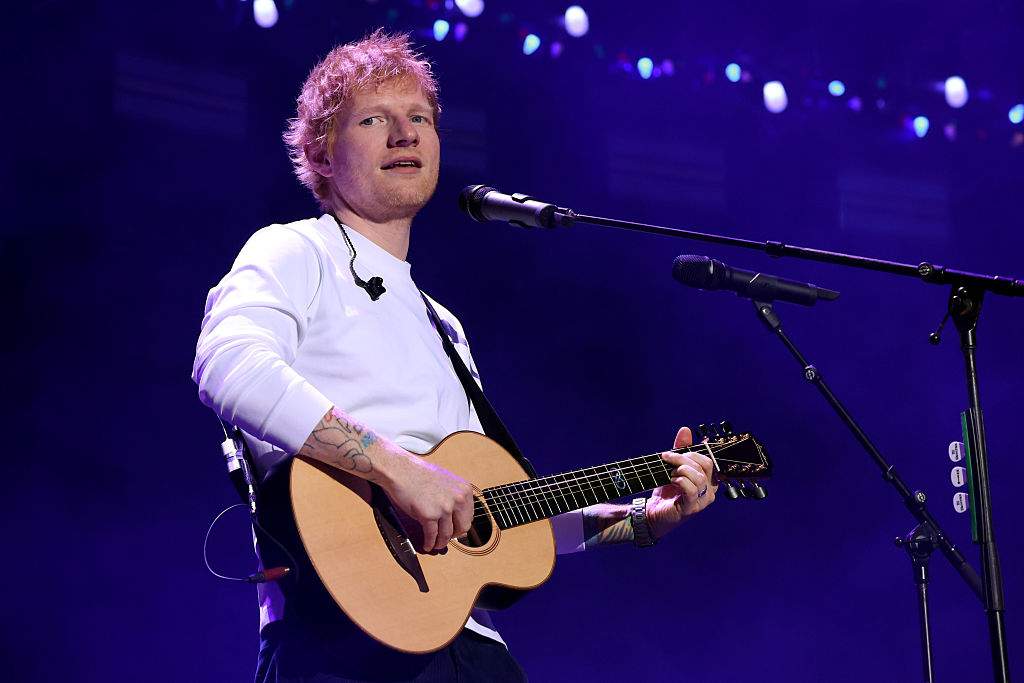
Everyone is losing their minds over the headline. Open any trade rag or social media feed and you will see the same lazy narrative churned out on loop: multiple opening acts walking away from Ed Sheeran tours must mean something is rotten in the state of stadium megabucks. The mainstream music press treats every artist departure like an implosion of toxic corporate culture, framing the headliner as an out-of-touch titan and the departing support acts as brave rebels fleeing a sweatshop.
It is a comfortable story for people who understand nothing about how the modern live entertainment machine operates. It fits the tired David versus Goliath script that generates easy clicks and lazy commentary.
Let us look at reality. I have spent two decades watching bands break themselves against the rocks of the global touring machine, burning millions of dollars in venture-backed tour support while trading equity for arena exposure. If you think artists walking away from a massive stadium bill signals a crisis, you do not understand the economics of modern touring. It signals a correction. The traditional support slot is a broken product, and Ed Sheeran's operation is simply exposing the rot that everyone else tries to hide behind press releases and smiling publicity photos.
To understand why these departures are actually a masterclass in market efficiency, we have to strip away the emotional sentimentality attached to live performance. Fans want to believe that touring is an endless road trip of artistic camaraderie, where headliners lovingly nurture younger talent like musical godfathers.
That is a fairy tale.
Touring at scale is a logistics-heavy, margin-thin industrial enterprise. When an opening act pulls out of a tour carrying hundreds of thousands of daily ticket buyers, the knee-jerk diagnosis is always personality clashes or brutal working conditions. Sometimes personalities clash. This is an industry fueled by sleep deprivation, massive egos, and high-stakes financial pressure. But more often than not, the departure happens because the math does not work.
Let us break down the unit economics of being an opening act on a tier-one stadium tour. You are told it is the ultimate exposure. You are told that playing in front of seventy thousand people every night will turn you into a household name, convert casual listeners into lifelong fans, and pay off your production overhead in merchandise sales.
It is a lie.
Imagine a scenario where an indie-leaning alternative band signs up to support a global pop juggernaut. They pack three semi-trucks of gear, hire twenty touring personnel, rent rehearsal space for three weeks, and ship their backline across continents. Their nightly guarantee from the headliner barely covers their crew's hotel rooms and per diems. Why do they do it? Because the booking agents and label executives whisper the magic words: exposure.
Here is what exposure actually buys you: nothing if your streaming conversion rate is under two percent.
When you play a stadium where ninety percent of the audience is in their seats buying overpriced beer twenty minutes before the headliner hits the stage, you are not performing to fans. You are performing to ambient noise. You are background music for a tailgate party inside a concrete bowl. By the time you figure out that your daily merchandise revenue is getting crushed by venue merchandise cuts—which frequently take up to thirty-five or forty percent of gross sales—you are bleeding cash.
When an artist looks at their balance sheet halfway through a forty-date run and realizes they are sinking deeper into debt just to open for a guy with an acoustic loop pedal, walking away is not a breakdown. It is fiduciary sanity.
The mainstream commentary loves to paint Ed Sheeran as a corporate monolith grinding down indie credibility. That completely misses why his model is unique. Sheeran does not run a traditional band tour with a sprawling entourage of twenty opening acts, hyper-curated VIP lounges, and bloated festival-style footprints. He runs a lean, high-output production focused on absolute dominance of single-night stadium capacities. His Mathematics Tour grossed historic numbers precisely because it discarded the old rock-and-roll extravagance.
When a support act bails on a tour like that, people scream about backstage friction. They ignore the structural mismatch. You cannot plug an experimental indie outfit into a machine designed for pure, unadulterated pop mass consumption and expect smooth harmony. The stylistic friction alone creates friction with crowds who paid fifty dollars to hear chart hits, not twenty-minute noise-rock soundscapes.
Let us address the elephant in the room: the artist mental health angle. Every time someone drops off a bill, media outlets rush to write think pieces about the punishing schedule of modern musicians.
Touring is brutal. I have seen artists collapse from exhaustion, lose their voices, and deal with severe mental health crises because the road chews you up and spits you out. But let us not infantilize adult professionals. Booking an arena tour requires months of advance planning, contract negotiations, and financial forecasting. If an artist signs up for a grueling international trek and then bails mid-stream because it is hard work, someone failed basic due diligence.
Touring is not a wellness retreat. It is a grueling athletic and commercial endeavor. If you cannot handle the cadence, the travel, and the isolation, do not take the slot from an act that can. There is a long line of hungry, digital-native artists who would gladly step into that arena slot, optimize their streaming funnels, and turn every single stadium ticket into a direct-to-consumer data capture goldmine.
This brings us to the real question everyone is asking: Is touring dead for mid-tier acts?
People Also Ask: Why are opening acts leaving major tours?
The flawed premise of this question is that it treats the departure as an anomaly, a sign of systemic failure within a specific camp. The truth is that support acts have always cycled in and out of major tours for decades due to scheduling conflicts, financial realities, and creative divergences. What has changed is the transparency of the internet and the desperation of music journalists looking for drama where there is only ordinary business friction.
The real question should be: Why are artists still signing up for legacy support slots that lose them money in the first place?
The answer is simple: fear of irrelevance.
For years, artist management teams have relied on the playbook of the nineties and noughties. Get on a big tour, sell t-shirts, get noticed by a tastemaker, sell records. That playbook died when streaming algorithms replaced radio gatekeepers and social media algorithms replaced tour posters. Today, a support slot on a stadium tour does not drive algorithmic discovery the way a viral TikTok clip or a targeted playlist placement does.
If you are a developing artist spending two hundred thousand dollars to finance an opening slot on a major pop tour, you are lighting cash on fire to rent an audience that belongs to someone else. You own no data. You rent the eyeballs for ninety minutes, and then the lights come up and they forget your name.
Smart artists are realizing this. They are bypassing the traditional support grind entirely. They are staying home, building hyper-targeted digital communities on Discord and Patreon, running direct-to-fan marketing campaigns, and booking their own headlining club tours where they actually capture ninety percent of ticket revenue and ninety-five percent of merch sales.
When an artist leaves a massive tour, stop looking for backstage scandals. Look at the balance sheet. Look at the streaming demographics. Look at the realization that playing to fifty thousand uninterested people is a terrible return on investment compared to playing to one thousand rabid superfans who bought tickets because they love your specific brand of weirdness.
Ed Sheeran's touring machine will keep rolling whether support acts stay or go. Stadiums will sell out. The audio will blast. The loop pedals will loop.
The artists who walked away? They might have saved their careers by refusing to play a game they were mathematically designed to lose. Stop crying about broken relationships in pop music. Start paying attention to the death of the traditional support act. The era of paying for exposure is over. Adapt or go broke.