The modern stadium tour is a multi-million-dollar machine designed to run on absolute predictability. Logistics are mapped down to the minute, insurance policies cover every conceivable risk, and artists are expected to function as frictionless corporate assets.
That machinery violently seized up when rapper Macklemore was cut from Ed Sheeran’s North American stadium run. His removal followed an on-stage declaration advocating for Palestine. What promoters and venue owners anticipated would be a quiet pruning of a controversial element instead triggered an unprecedented domino effect. Within days, every single remaining supporting act—including Finneas, Aaron Rowe, Lukas Graham, and Sheeran’s long-standing backing band Beoga—pulled out of the tour.
The fallout exposed the deep fault lines running beneath mainstream live music. It laid bare a bitter collision between corporate venue ownership, geopolitical speech, and the contractual obligations of artists caught in the middle.
To understand why this specific dispute metastasized so quickly, one must examine the mechanics of contemporary stadium booking. Major venues in North America are rarely independent entities. They are heavily tied to corporate conglomerates, sports franchises, and high-net-worth ownership groups with acute political sensitivities. When Macklemore used a performance slot at MetLife Stadium to address the crowd regarding the humanitarian crisis in Gaza, the reaction from venue stakeholders was swift. Promoters from the Messina Touring Group faced immediate pushback from venue operators who refused to host concerts featuring the rapper.
The decision to drop Macklemore was framed by management as a logistical necessity to keep the tour moving. Yet, that calculus ignored the shifting ideological red lines of contemporary performers.
Irish singer Aaron Rowe was the first opener to walk away, citing his own country’s history with famine and occupation while condemning corporate attempts to silence anti-war voices. Danish pop group Lukas Graham followed suit, arguing that wealth and corporate backing do not grant entities the right to police moral discourse or dictate which human suffering is permissible to acknowledge. When Grammy-winning producer and artist Finneas also withdrew from upcoming dates alongside traditional ensemble Beoga, the tour’s structural integrity evaporated.
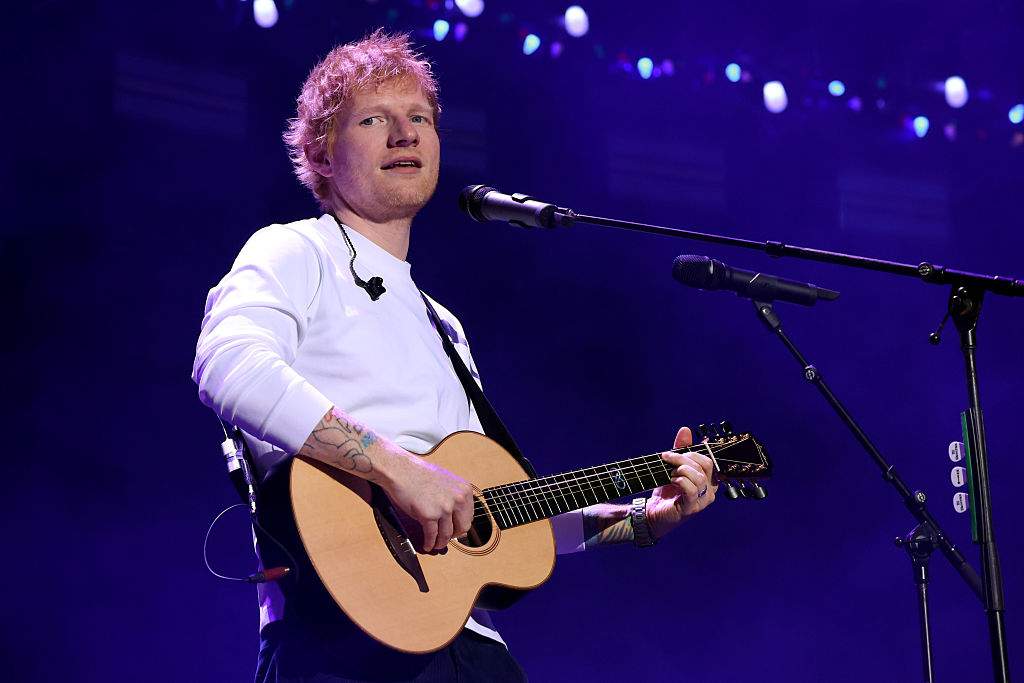
Ed Sheeran attempted to thread the needle through a public statement emphasizing neutrality. He positioned himself as a provider of a safe space and sanctuary, arguing that maintaining dialogue requires diplomacy rather than grandstanding. He noted that his primary responsibility lay with the hundreds of touring crew members, technicians, and local workers whose livelihoods depended on the shows proceeding as planned.
That defense found little traction among artists who viewed neutrality as active compliance. In the current cultural climate, the old industry mantra of sticking to the music has lost its structural viability. Artists with significant independent followings are discovering that audience loyalty is increasingly tethered to ideological alignment. Silence is no longer interpreted as professional detachment. It is read as a commercial compromise.
The financial and operational damage to the tour serves as a warning shot for major booking agencies. Stadium tours rely on massive upfront capital expenditure, ticket sales dependent on stable lineups, and harmonious relationships between artists and venue proprietors. When political speech punctures that ecosystem, the traditional levers of damage control fail. Promoters can replace a backing band or slot in a new opening act, but they cannot easily replace the cultural credibility of a tour when the artistic community itself initiates a boycott.
The disruption underscores a permanent shift in live entertainment. The barrier between geopolitical realities and the sanitized bubble of stadium pop has collapsed. As long as venues are governed by corporate entities sensitive to public controversy, and as long as artists view their platforms as moral imperatives rather than commercial products, the infrastructure of global touring will remain vulnerable to these fractures.
The stage lights remain up, but the backstage reality has fundamentally changed.