Politics gets weird when mayors start acting like foreign secretaries.
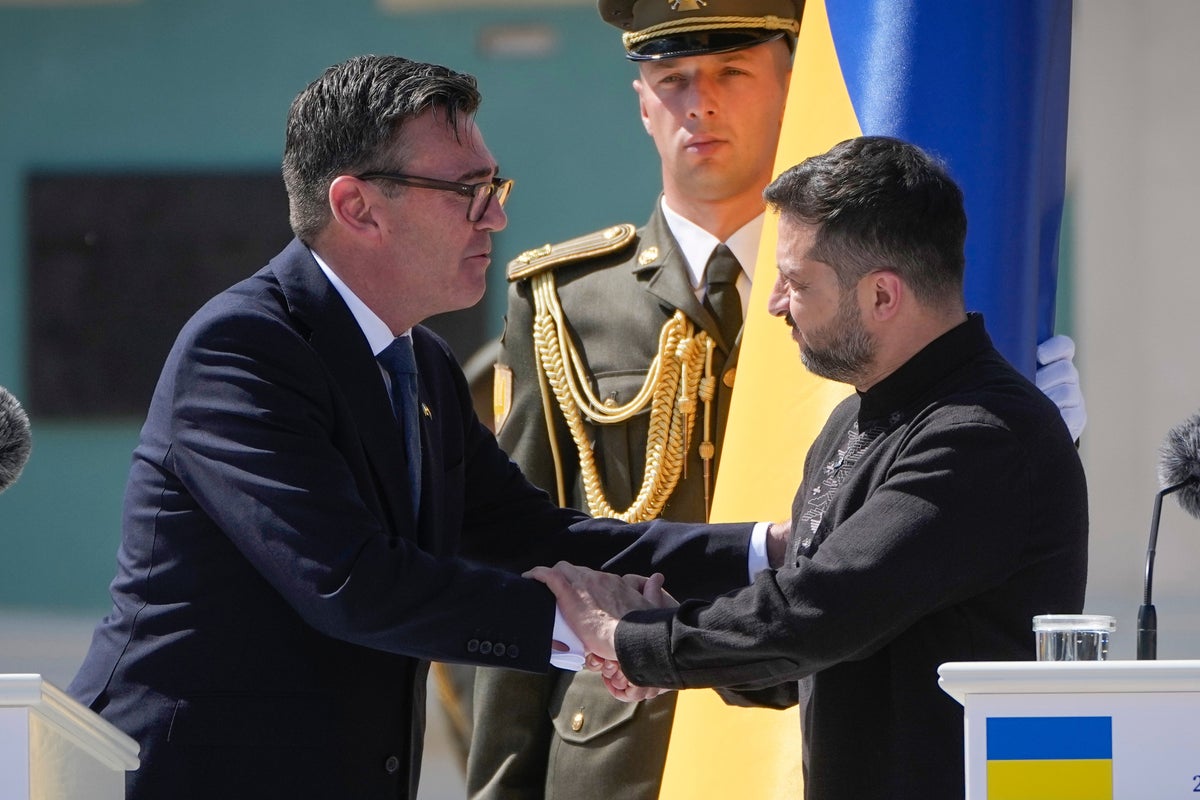
Andy Burnham just touched down in Ukraine. He did not go there for a quiet photo op or a gentle diplomatic handshake. The Greater Manchester Mayor walked right into the middle of escalating UK-Russia tensions and pointed a very sharp finger at the Kremlin. "Who started the fire?" he asked, stripping away months of diplomatic tiptoeing. It is a blunt question. It is also the exact kind of direct confrontation Western leaders have spent years dodging. Also making headlines recently: Why the Eastern Pacific Drug Strike Changes Everything We Know About Maritime Interdictions.
You need to understand why this matters. Local politicians usually stay in their lane. They fix potholes, handle regional transit, and argue about local zoning laws. When a high-profile regional leader steps onto an active international battlefield to grill an authoritarian adversary, the rules of the game change. Moscow noticed. Westminster noticed. Ukraine certainly noticed.
The Reality of Local Leaders Going Global
Foreign policy used to belong strictly to national governments. Prime ministers, presidents, and state departments held exclusive rights to high-stakes international posturing. That monopoly is cracking. More information on this are covered by Reuters.
When Burnham challenged Putin on this trip, he bypassed the usual diplomatic channels. He brought a gritty, northern English directness straight to a war zone. People are tired of sterile, scripted press releases from politicians hiding behind secure compounds. They want straight answers. Burnham gave them one.
Let us look at what actually triggers these shifts. Cities are no longer just municipal administrative zones. They are economic powerhouses and humanitarian hubs. Manchester has built deep ties with Ukrainian cities since the invasion began. Local leaders manage medical supplies, refugee integration, and reconstruction aid on a daily basis. They have skin in the game.
When you spend years coordinating aid for families displaced by Russian shelling, your perspective changes. You stop seeing a geopolitical abstraction. You see rubble. You see destroyed schools. You see a human catastrophe. That fuels a different kind of political courage.
Cutting Through Diplomatic Noise
International relations are drowning in euphemisms. Diplomats talk about "deep concerns," "escalatory spirals," and "unacceptable violations of sovereignty." It sounds academic. It sounds safe.
Burnham threw out the rulebook. Asking who started the fire strips away the fog of war propaganda that Moscow loves to generate. It pins accountability where it belongs.
Here is what most mainstream coverage misses about this visit. It is not just about a headline-grabbing soundbite. It is about shifting the center of gravity in how the UK interacts with Eastern Europe. Regional mayors carry a different kind of authenticity than career diplomats. They represent ordinary taxpayers who fund the military aid and host the refugees.
Why Moscow Hates This Approach
The Kremlin thrives on abstract diplomatic chess. They prefer dealing with distant ministers who issue weary statements from oak-paneled rooms. A mayor fresh from an industrial British city who refuses to play by traditional diplomatic norms disrupts their playbook.
When local leaders show up on the front lines, it punctures the isolation that authoritarian regimes try to maintain. It sends a message to Russian citizens that ordinary people across Europe care deeply about what is happening in Ukraine. It personalizes a conflict that state media tries to keep cold and clinical.
The Ripple Effects Across British Politics
Domestically, this move carries massive political weight. Labour figures are recalibrating their foreign policy footprints. Standing shoulder-to-shoulder with frontline Ukrainian communities sends a signal to voters that national security and international solidarity are not just conservative talking points.
Critics will call it grandstanding. They always do when politicians step out of rigid administrative boxes. But quiet diplomacy has failed to stop the missiles raining down on civilian infrastructure. Sometimes you need a bit of noise.
You have to look at the practical fallout of these high-profile visits. When regional leaders build direct institutional partnerships with war-torn nations, those bonds outlast electoral cycles. Manchester's engagement with Ukraine is not a weekend trip. It is a sustained civic commitment.
What Comes Next for UK-Russia Relations
Tensions are not cooling down. The UK intelligence apparatus continues to flag covert operations, cyber threats, and sabotage attempts across European soil. Moscow views London as a primary antagonist due to the scale of military backing provided to Kyiv.
In this environment, middle-ground neutrality is dead. You are either backing the architecture of international law or you are watching it burn. Burnham made his stance loud and clear.
Keep your eyes on how other municipal leaders across Europe respond. Once one major regional figure breaks the mold and confronts the aggressor directly, others will follow. The era of mayors staying silent on the global stage is over.
Support the local initiatives bridging the gap between your community and Ukraine. Push your representatives to maintain pressure on bad actors. Do not accept passive language when atrocities are happening in real time. Demand straight answers, just like the ones being demanded on the front lines.