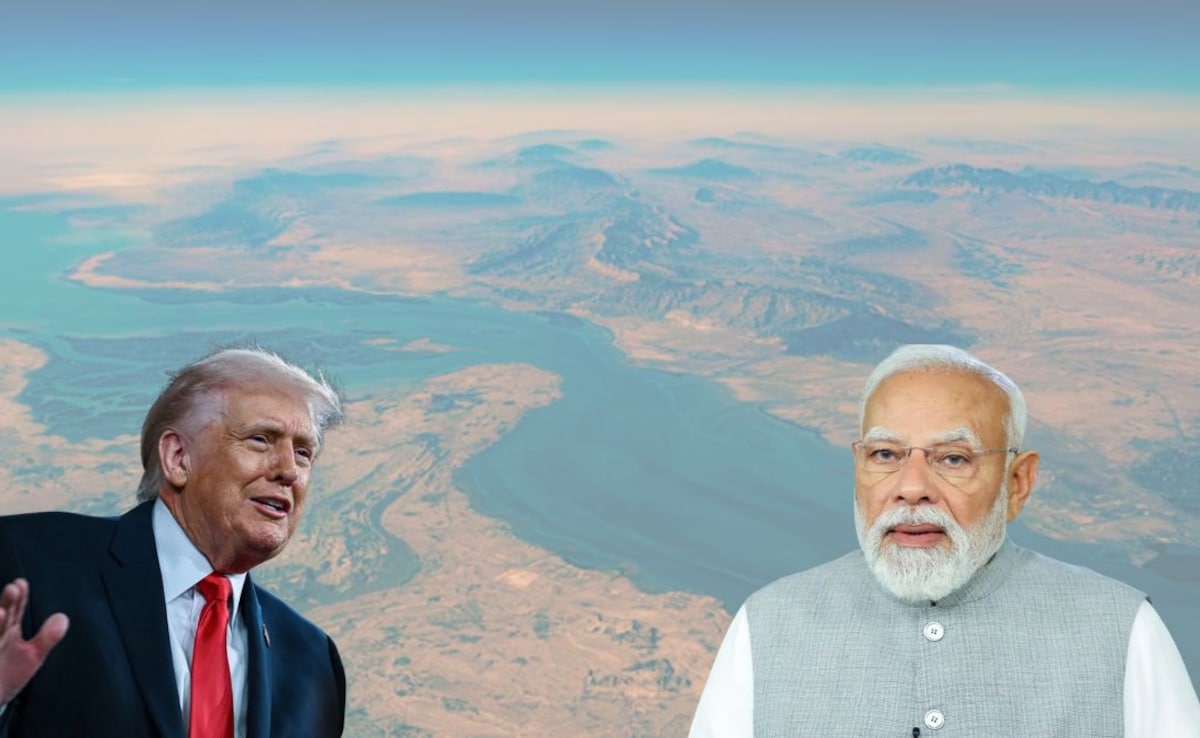
Don't let the headlines fool you into thinking Washington suddenly found its heart. The 30-day waiver granted to India to buy Russian oil isn't a gift—it's a fire extinguisher. With the Middle East erupting into a direct conflict between the US, Israel, and Iran, the global energy market is staring down a barrel of $100 crude. The Strait of Hormuz is essentially a parking lot, and the US Treasury knows that if India doesn't get its oil from somewhere, the resulting price spike will wreck the global economy faster than any sanctions regime could.
On March 5, 2026, the US Treasury's Office of Foreign Assets Control (OFAC) issued General License 133. It gives Indian refiners a narrow window—until April 4—to pick up Russian crude that was already loaded on ships by March 5. It's a "stranded cargo" clause. Washington is basically telling New Delhi, "We know you're in a bind because of the Iran war, so go ahead and take the Russian stuff that's already floating out there."
The Hormuz Gridlock is the Real Trigger
Why the sudden change in heart from the Trump administration? It's simple math. Roughly 40% of India's crude imports usually pass through the Strait of Hormuz. With over 200 ships currently stuck inside the Persian Gulf and another 150 queued up outside, those supply lines are effectively severed.
India's domestic reserves are thin. We're talking about roughly 25 days of demand covered by strategic stocks. You can't run a country of 1.4 billion people on a three-week buffer when a regional war is expanding. By "allowing" India to tap into the 22 million barrels of Russian oil currently sitting in tankers across the Arabian Sea and near Singapore, the US is preventing a total meltdown in Indian fuel prices.
This is Not a Policy Shift on Russia
I've seen people claiming this means the US is softening on Putin. That's wrong. Treasury Secretary Scott Bessent was very specific. This is a "deliberately short-term measure." The US goal remains the same: starve the Kremlin of cash. But right now, they're more scared of an energy hostage situation created by Iran.
By letting India buy oil that's already been loaded, the US ensures that the money has largely already been accounted for or that the supply doesn't just sit there uselessly while global prices skyrocket. It’s about keeping the "molecules" flowing. If India isn't competing for the limited non-Russian oil available on the open market, it keeps prices lower for everyone else, including American consumers.
India's Defiant Stance
While the US frame this as a "permission" or a "waiver," the Indian government isn't playing along with that narrative. The Press Information Bureau was quick to state that India never depended on anyone's permission to buy Russian oil. It's a classic case of geopolitical optics.
- The US Perspective: We are helping an "essential partner" manage a crisis.
- The Indian Perspective: We buy what we need for our energy security, period.
The reality is somewhere in the middle. India had actually started cutting back on Russian oil earlier this year, with imports hitting a 44-month low in January 2026. This was partly to secure a trade deal with the US and avoid 25% tariffs. But the Iran war changed the priority list overnight.
What This Means for Your Wallet
If you're in India, don't expect a massive drop in fuel prices, but do expect a stabilization. We've already seen LPG prices jump by 7% recently. Without this Russian "buffer," those hikes would have been much worse.
However, there's a catch. Because everyone knows India is desperate for these stranded cargoes, the "Russian discount" has vanished. Before the Iran conflict kicked off on February 28, Russian Urals were trading at a $13 discount to Brent. Now? Traders are asking for a premium of $4 to $5. You're paying more for the same oil because "availability" has become more important than "affordability."
The 30 Day Countdown
What happens on April 4? That’s the multi-billion dollar question. The US expects India to ramp up purchases of American energy as part of a longer-term trade deal. If the situation in the Middle East hasn't calmed down by April, expect a frantic round of diplomacy to extend this waiver.
If the waiver isn't extended and Hormuz remains blocked, India will have to look toward even more expensive shipments from the US or West Africa. This would significantly increase freight costs and put immense pressure on the rupee.
Refiners like Reliance, IOC, and BPCL are currently scrambling to finalize contracts for these floating barrels. If you're tracking the markets, watch the ship-tracking data for the Arabian Sea. The movement of those specific tankers over the next three weeks will tell you exactly how secure India's energy position is going to be for the second quarter of the year. Keep an eye on the premium levels—if they stay above $5, expect another round of domestic fuel price adjustments by May.