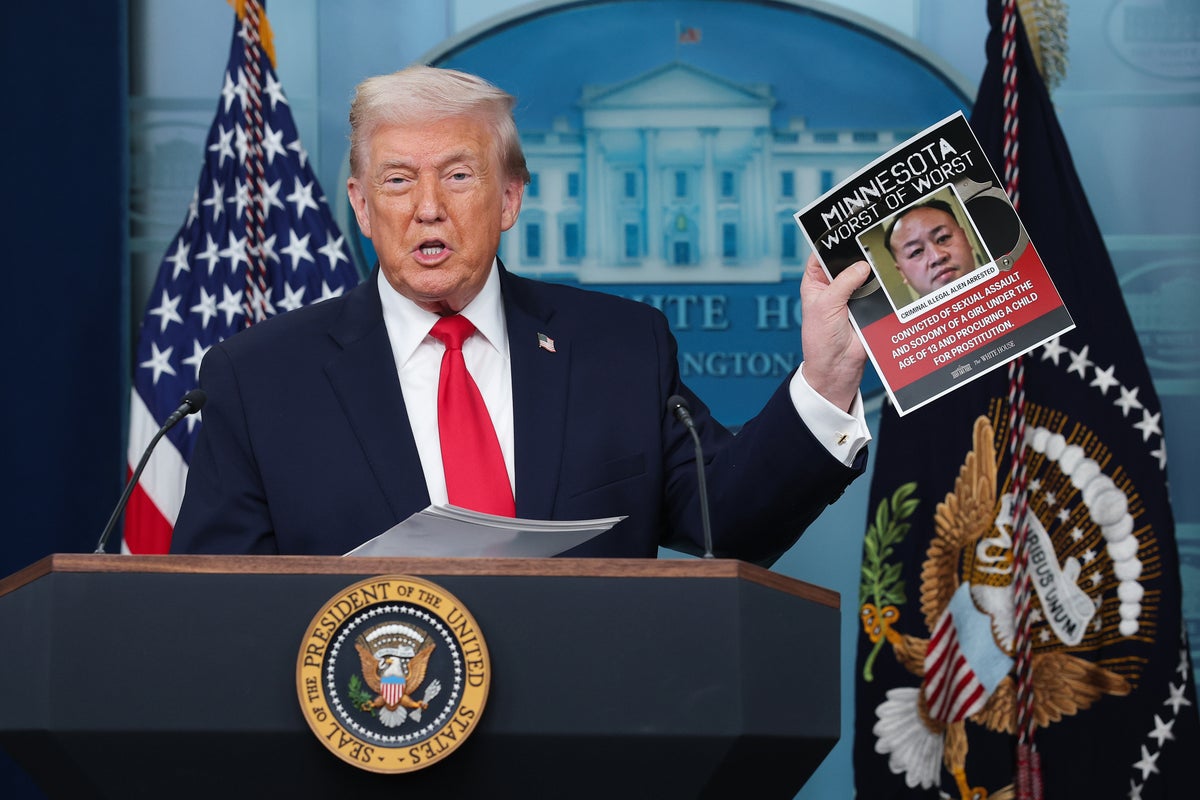
The air in the West Wing often carries a specific kind of electricity before a briefing. It is a hum of certainty, a belief that the world is a chessboard where the pieces move exactly as they are told. On a Tuesday, the word from the podium was "surrender." It was a heavy word, a final word. It suggested a nation brought to its knees, gasping for air under the weight of economic isolation and the sheer shadow of a superpower.
The rhetoric felt like a victory lap taken before the finish line. We were told the opposition was crumbling. The internal mechanics of a foreign power were described as a house of cards caught in a gale. For those watching from living rooms in Ohio or cafes in Berlin, it sounded like the end of an era of tension. Peace, it seemed, was merely a matter of signing the paperwork.
Then the sun set.
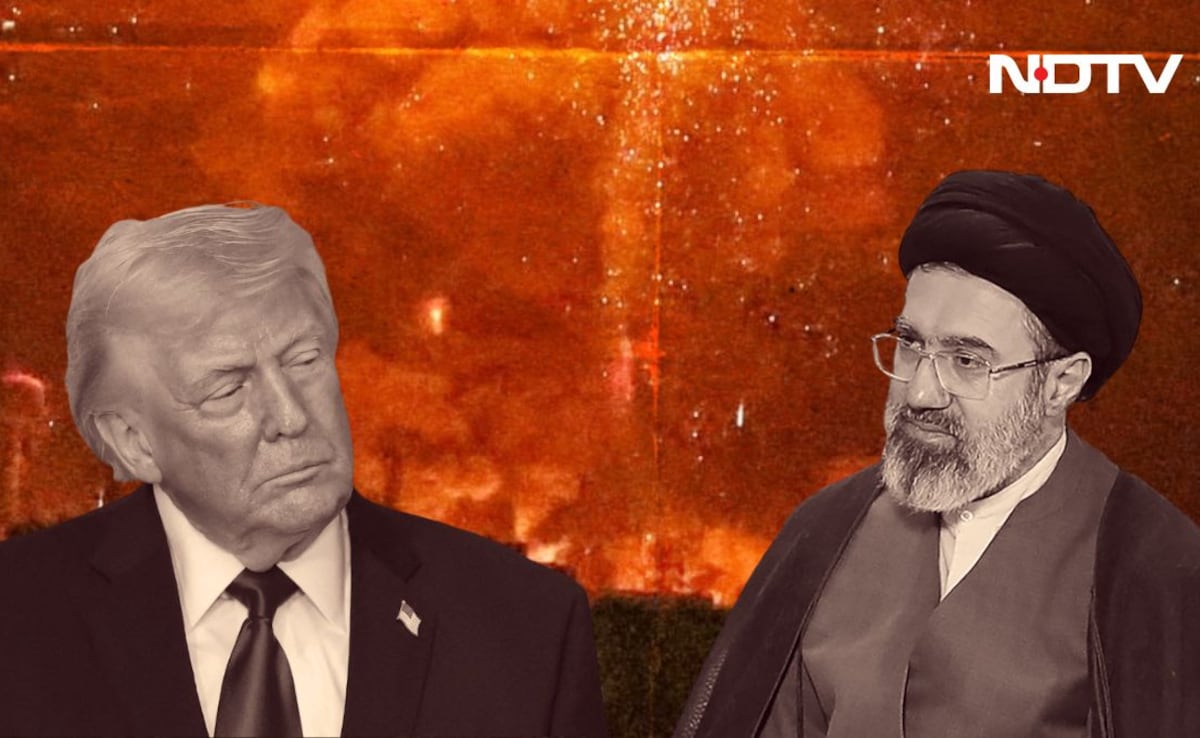
Twenty-four hours is a lifetime in geopolitics. By Wednesday, the image of a white flag had been replaced by the sight of a raised fist. A new leader stood where the old one had fallen, and his first breath of public air was used to exhale a promise of retribution. The "surrender" was a mirage. The reality was a hardening of the soul.
The Psychology of the Cornered
To understand why a prediction of surrender fails so spectacularly, we have to look past the troop counts and the GDP numbers. We have to look at the human ego. When a leader tells a rival they are about to quit, they aren't just delivering a status report. They are delivering an insult.
Consider a man standing in a town square, surrounded. If you tell him he is defeated, he might look for an exit. If you tell the world he is a coward who is about to beg for mercy, you have removed his exit. You have made the cost of peace higher than the cost of war. For the new leadership in Tehran, the "surrender" narrative wasn't an invitation to the negotiating table. It was a catalyst for a new, more dangerous identity.
The transition of power happened in a heartbeat. One name was erased, and another was written in. The new leader did not step into a vacuum of silence. He stepped into a room filled with the echo of his predecessor's downfall and the stinging words of an American president.
The promise of revenge wasn't just a political strategy. It was a survival mechanism. To survive in a room of hardliners, you must be the hardest. To survive in a country that feels its borders being squeezed, you must show that you can still strike. The rhetoric of surrender actually created the opposite effect: a consolidation of will.
The Invisible Stakes of a Deadline
Twenty-four hours.
We measure our news cycles in minutes, our Twitter feeds in seconds, but the real stakes of a confrontation are measured in the time it takes to mourn. On Tuesday, the talk was of a broken regime. On Wednesday, the talk was of a martyr's legacy. This shift is the most dangerous part of any conflict.
When a leader says a rival is about to surrender, they are gambling on a psychological break. They are betting that the pressure is so high, the human spirit on the other side will simply snap. But humans don't always snap. Sometimes they crystallize.
The new leader's vow of revenge wasn't a sudden departure from the norm. It was the only possible response to the claim of a total victory by his opponent. If you tell a man he has already lost, he has nothing left to lose. That is the moment he becomes the most dangerous.
The facts on the ground didn't change in those twenty-four hours. The sanctions were the same. The military positions hadn't shifted. What changed was the story. The narrative of "near-surrender" forced the hand of the new leadership. They had to prove, not just to the Americans, but to their own people, that they were still standing.
The Mirror of Certainty
In the halls of power, certainty is a currency. It buys votes, it settles nerves, and it builds legacies. But certainty is a double-edged sword when it comes to predicting the behavior of an adversary. When we say someone is "about to" do something, we are projecting our own logic onto them. We assume they see the world exactly as we do.
We see a collapsing economy and think: they must surrender.
They see a collapsing economy and think: we must resist.
This is the gap where wars are born. The disconnect between what one side believes is inevitable and what the other side feels is intolerable. The prediction from the White House was based on a spreadsheet of pain. The response from the new leader was based on a narrative of pride.
The "revenge" promised wasn't just a threat of a missile or a hack. It was a promise to continue existing in spite of the pressure. It was a refusal to follow the script that had been written for them in Washington. The 24-hour cycle from victory to volatility is a reminder that the world is not a controlled experiment.
The Weight of a Vow
The word "revenge" carries a weight that "surrender" can never match. Revenge is a forward-looking emotion. It implies a debt that has yet to be paid, a story that is far from over. Surrender is a closing chapter. Revenge is the start of a new, darker book.
The new leader's ascent wasn't just a change in personnel. It was a shift in the temperature of the entire region. The "surrender" talk had inadvertently cleared the path for a harder line. The moderates, those who might have wanted to negotiate, were silenced by the perceived arrogance of the American prediction. To speak of peace in that moment was to agree with the Americans that they had already won.
And so, the new leader spoke of blood and memory. He spoke of the long game. He reminded his people that while a news cycle is 24 hours, a nation's identity is centuries old.
The invisible stakes of this 24-hour flip are not just about the next military strike. They are about the loss of a diplomatic opening. When the air is thick with talk of surrender, the space for a graceful exit vanishes. The bridge is burned from both ends.
The world watched the television screens as the "certainty" of Tuesday dissolved into the "defiance" of Wednesday. It was a masterclass in the unintended consequences of public pressure. The goal of the "surrender" rhetoric was likely to push the regime over the edge. Instead, it gave them a ledge to stand on.
The new leader's revenge is a cloud that now hangs over every future negotiation. It is a reminder that in the high-stakes world of global power, words are not just descriptions of reality. They are tools that shape it. Sometimes, the most confident words are the ones that ensure the very thing they were meant to prevent.
The sun set on a world where a war was supposedly ending. It rose on a world where a new one was being promised.
The silence that follows a vow of revenge is louder than any victory lap. It is the sound of a world realizing that the house of cards didn't fall. It just grew spikes.
The chessboard remains. The pieces are still moving. But the players are no longer looking for a way to end the game. They are looking for a way to win it, no matter the cost.
The 24-hour mirage is gone. All that remains is the long, cold shadow of what comes next.
The map is rewritten in red.