Dry.
That is the first word that hits you when the Santa Ana winds arrive in Southern California, before you even hear the eucalyptus limbs groaning overhead or see the dust devils skittering across the asphalt. Your lips pull tight in ten minutes. Your knuckles start to chalk. A glass of water left on a kitchen counter feels like a joke played by an arid desert god. Read more on a related subject: this related article.
When officials lock the gates to regional parks, open-space preserves, and mountain trails ahead of a Santa Ana wind event, the standard headlines read like a ledger. Park closures announced. Fire danger elevated. Residents urged to stay vigilant. We scan the list of shut trailheads, feel a brief spike of annoyance if we had Saturday morning plans to hike a canyon ridge, and move on to the weather app.
Yet behind every locked chain and every "Area Closed Due to Extreme Fire Hazard" sign is a high-stakes gamble against physics, human habits, and memory. A single catalytic converter idling over bone-dry cheatgrass. A cigarette flicked from a window at sixty miles per hour. A camp stove coaxed to life in a sheltered hollow where the wind hasn't yet ripped away the illusion of calm. More analysis by NBC News highlights related views on the subject.
To understand why shutting a park during Santa Ana winds is rarely an overreaction, you have to look past the frustration of a closed trail and see what happens when air plunges off the Great Basin, compresses down the mountain passes, and turns living chaparral into kindling.
How Cold Air Turns Into a Blowtorch
Most people think of wind as something that blows in from the ocean. Santa Ana winds flip that script completely. High pressure builds over the interior West and the Great Basin, pushing cold, dense air toward the lower elevations of Southern California. As that air spills over the mountain ranges and funnels through passes like Cajon, Soledad, and San Gorgonio, gravity pulls it downward.
As air descends, it compresses and warms. At the same time, its relative humidity plummets—sometimes dropping into the single digits.
Think of it like wringing out a wet sponge until not a single drop remains, then aiming a hair dryer at a stack of dried newspapers. That is roughly what Santa Ana winds do to coastal sage scrub, manzanita, and oak duff. Even vegetation that looked green from a distance weeks earlier loses moisture rapidly when exposed to hot, desiccating gusts that can easily top 40 to 60 miles per hour in wind-prone canyons and foothills.
I have stood on a ridge in late autumn while these winds blew and watched the whole hillside behave like a living organism under siege. The leaves did not flutter gently; they chattered and rattled like dry bones. Every gust carried the faint, sharp scent of crushed sage and hot dirt. You could feel static electricity building in the air, the kind that snaps when you touch a metal gate latch.
In conditions like that, fire does not creep. It sprints. Embers lofted ahead of a flame front can travel hundreds of yards or more, landing in unburned brush and starting spot fires behind firefighters' lines. Aircraft grounded by extreme turbulence cannot drop retardant safely when gusts whip through steep canyons. Ground crews face walls of flame driven horizontally rather than just uphill.
Closing a park under these conditions is not about denying people fresh air. It is about removing ignition sources and people from places where escape routes are narrow, cell service is spotty, and a spark can become an evacuation order before a hiker reaches the trailhead.
A Hypothetical Morning on the Ridge
(Note: The following scenario is a hypothetical composite created to illustrate how a routine outdoor outing can intersect with extreme wind conditions.)
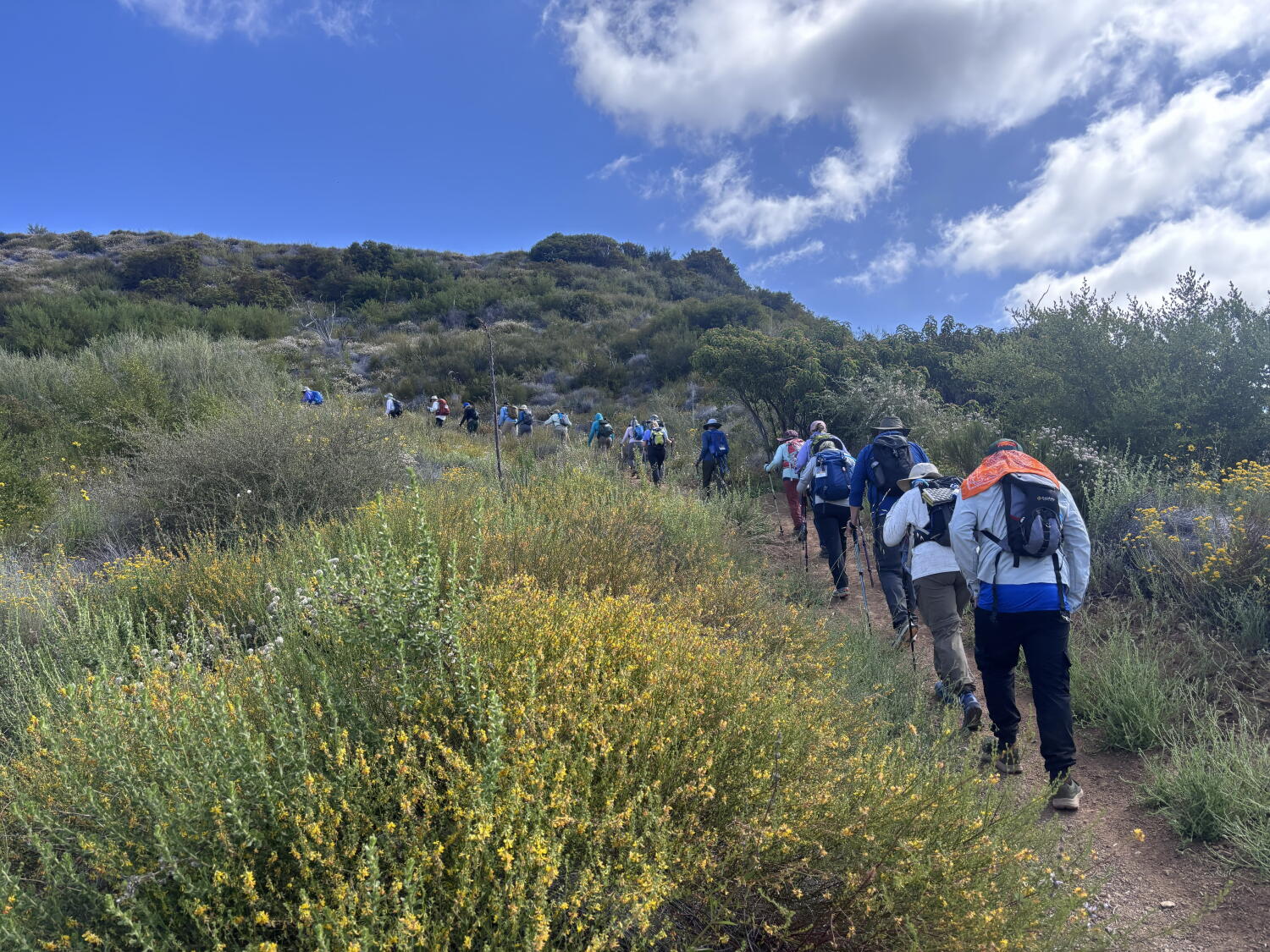
Picture a hypothetical hiker named Elena, a graphic designer from Pasadena who treats Saturday mornings on the trails as her reset button after a week staring at glowing monitors. It is November, the sky is a hard, bleached blue, and the wind is already rattling the palm fronds outside her apartment when she laces up her trail shoes at 6:30 a.m.
She checks the news quickly, sees a warning about gusty winds, and thinks, I'll just stick to the lower loop. It'll be fine.
By the time Elena reaches the regional park entrance, a ranger is already swinging a heavy steel gate across the access road. "Closed today," the ranger says, voice raspy from dust and dry air. "Extreme fire weather. Winds picking up through the pass."
Elena's first instinct is disappointment. She drove twenty-five minutes. The sun is out. In her head, "fire danger" usually means smoke on the horizon, not blue skies and a stiff breeze. If she argues, or if she parks down the street and slips past a boundary fence anyway, she is acting on a very human bias: we tend to judge risk by what we can see right in front of us, not by invisible atmospheric pressure gradients and single-digit humidity.
Now imagine a second hypothetical visitor that same morning—call him Marcus, someone camping illegally or pulling off a dirt turnout to brew coffee on a portable canister stove out of the wind. A sudden gust swirls around a rock outcrop, tips the burner, or carries a stray spark into dry grass. Within ninety seconds, what looked like a quiet morning turns into a fast-moving brush fire pushing straight toward residential neighborhoods at the base of the foothills.
That gap—between it looks calm right here and the whole canyon is primed to burn—is where tragedies are born.
Why Park Closures Frustrate Us So Much
If closures make logical sense on paper, why do they spark so much pushback in the comments sections and group chats?
Part of it is timing. Santa Ana events often arrive on crisp, sunny days when the air is crystal clear and the views stretch all the way to the Channel Islands. To an outdoor lover, a bright, sunny morning feels like prime hiking weather, not a crisis. Our brains associate danger with dark clouds, thunder, or visible smoke—not clear skies and dry wind.
There is also a deeper tension at work: the clash between personal autonomy and collective safety. Southern California's parks and open spaces are vital pressure valves for millions of people living in dense, expensive, fast-moving cities. When a favorite trail closes—sometimes for a day, sometimes for several days while winds howl and crews remain on high alert—it feels like one more thing being taken away.
I have felt that frustration myself. Years ago, during a stretch of fierce autumn gusts, I drove up toward a foothill preserve only to find yellow tape and closed gates across every turnout. Standing beside my car with the wind tugging at my jacket, part of me thought, Surely one person walking carefully won't hurt anything.
Then a gust tore across the road, kicking up a sheet of gravel and dead leaves that stung my shins, and a fire engine rolled past with its lights flashing toward a reported smoke check miles away. That moment stripped away my rationalizations. When fire conditions hit extreme thresholds, there is no such thing as a "careful" spark in bone-dry brush. One careless act by one visitor can pull dozens of firefighters away from another threat, close highways, choke whole valleys with toxic smoke, and destroy homes.
What Actually Gets Shut Down—and What Doesn't
When officials announce closures ahead of Santa Ana winds, the exact list varies depending on which agency manages the land and how severe the forecast looks. A single wind event can cross municipal boundaries, county park districts, state parks, and federal national forests all at once.
Usually, high-risk zones go first. Steep canyons, heavily vegetated foothills, remote trailheads, campgrounds, day-use picnic areas with grills or fire rings, and unpaved roads where vehicles can spark on rocks or tall grass are prime candidates for shutdowns. Some agencies close entire parks or forest districts; others restrict specific trails, ban campfires and target shooting, or shut down access roads while keeping paved urban connectors open.
This patchwork of rules is one reason people get confused. A neighborhood pocket park with manicured grass and concrete walkways may stay open, while a chaparral-lined regional reserve ten miles away locks its gates completely. Different agencies weigh different factors: fuel moisture levels, projected wind speeds, historical fire paths, staffing levels, and how quickly people could evacuate if an ignition happens.
But the real problem lies elsewhere: people often treat closure lists like optional suggestions rather than hard boundaries. If a trailhead gate is closed, hikers sometimes park on narrow residential streets, blocking emergency vehicles or creating parking hazards along blind curves. Worse, anyone who bypasses a closure puts themselves in an unmonitored zone where rangers aren't patrolling and rescue or evacuation takes longer.
The Invisible Stakes Beneath the Headlines
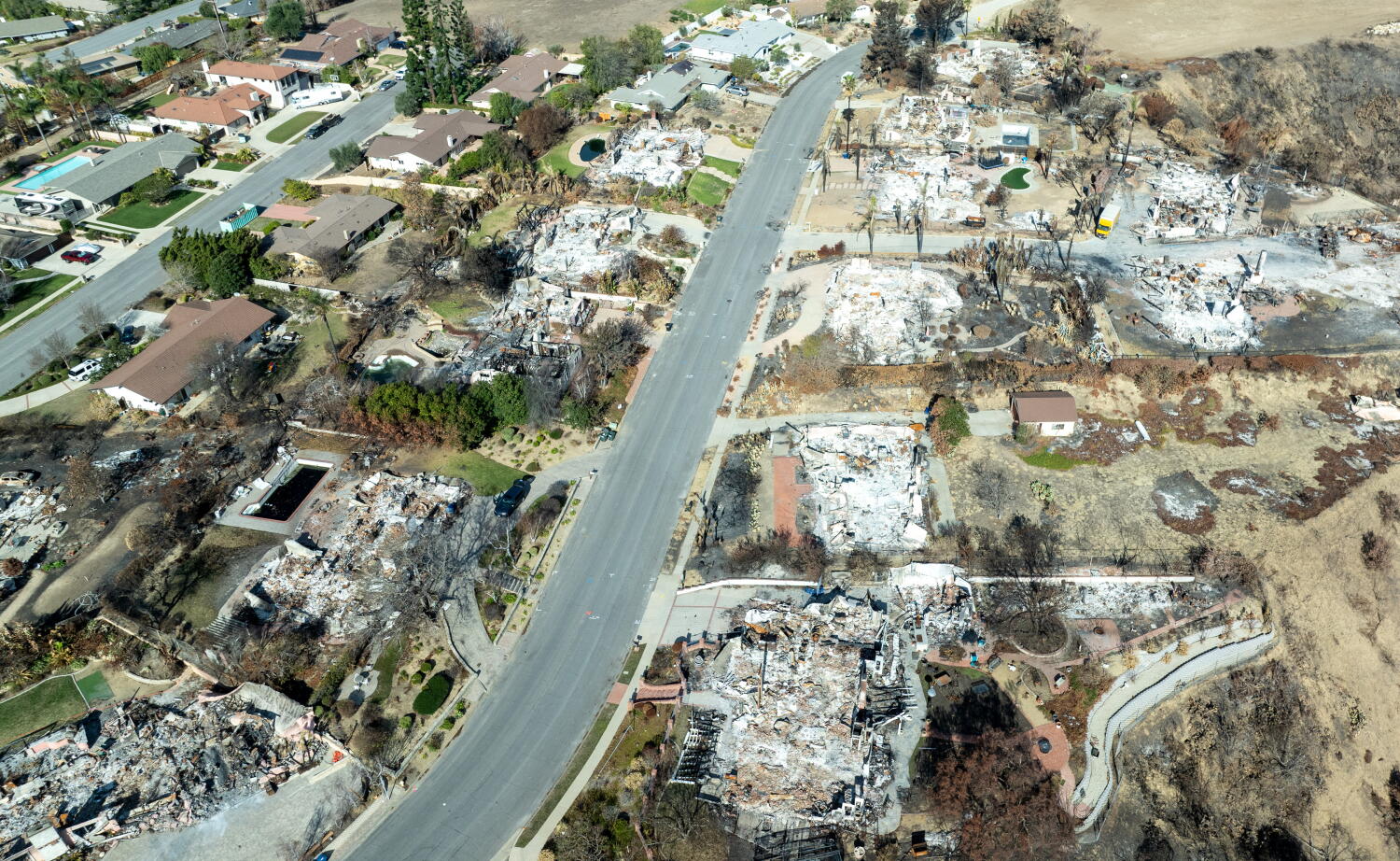
Wildfire coverage often focuses on dramatic metrics: acres burned, structures damaged or destroyed, containment percentages, evacuation zones. Those numbers matter deeply—each one represents lost homes, disrupted livelihoods, traumatized pets, and shattered routines.
Yet some of the biggest stakes happen quietly before a single flame appears.
Every time a wind-driven fire is prevented, an entire chain of cascading costs is avoided. Water districts don't have to deal with ash and debris washing into reservoirs after the next rainstorm. Power lines stay intact longer, sparing families from multi-day outages and medical devices running on backup batteries. School buses don't get rerouted through smoke-choked corridors. Air quality monitors don't spike into hazardous territory for infants, older adults, and people with asthma.
Consider what happens next when a fire does start during a Santa Ana event. Within minutes, dispatch centers are juggling 911 calls from panicked residents. Incident commanders are making split-second decisions about where to stage engines—protecting a school here, a ridge communication tower there, a subdivision downslope. Every ignition during a wind event taxes a system already stretched thin across a massive region.
Park closures are an upstream intervention. They are boring compared to dramatic footage of water-dropping helicopters, and nobody wins a medal for locking a gate before a fire starts. Prevention rarely looks heroic in the moment. It just looks like an empty parking lot and a quiet trail.
How to Read the Warning Signs Before You Head Out
If you live in or visit Southern California—or any wind-prone, fire-adapted region—learning to read the weather like a local rather than a tourist can keep you safe and save you wasted trips.
Start by checking official land-management channels rather than relying solely on a generic phone weather icon. A weather app might say "68°F and sunny," which sounds inviting, while the National Weather Service issues a Red Flag Warning or high wind warning for the exact hills you plan to visit. Red Flag Warnings exist for a reason: they signal a dangerous combination of strong winds, low humidity, and dry fuels where fires can start easily and spread rapidly.
Pay attention to how the air feels the moment you step outside. If the wind is gusting strongly in the valley, it is often even stronger and more erratic in passes, saddles, and exposed ridges. If you see branches thrashing, dust blowing across roads, or dry leaves skittering steadily in one direction, treat the outdoors with extra caution—even if your favorite spot hasn't closed yet.
Have a backup plan that doesn't depend on wildland brush. If mountain trails and foothill preserves are shut or unsafe, pivot to an indoor activity, a coastal walk along a paved promenade far from dry scrub, or a quiet morning at home. Flexibility isn't giving up your weekend; it's adapting to conditions that don't care about your calendar.
And if you do encounter a closed gate or an official warning, respect it. Rangers and fire officials aren't out there looking for ways to ruin people's Saturdays. They are watching anemometers spin, checking humidity readings, and trying to keep a bad day from turning into a disaster.
The Quiet Before the Gust
Late afternoon on a Santa Ana day has a strange, suspended quality. The light turns almost metallic. Shadows stretch long across dry slopes while the wind keeps pushing, steady and insistent, against every wall and fencepost.
Behind a locked park gate, a sign rattles softly on its metal post. No hikers are walking the switchbacks. No grills are smoking in the picnic grove. Just wind moving through dry sage, testing the perimeter, waiting for a spark that isn't there.
Sometimes the greatest victory of a windy autumn day isn't what happens on the news. It's the fire that never got the chance to be born.