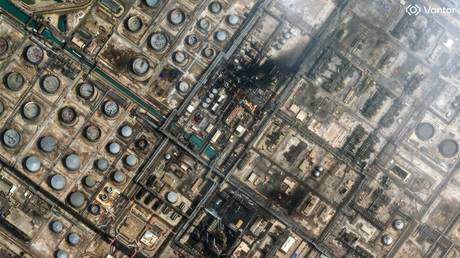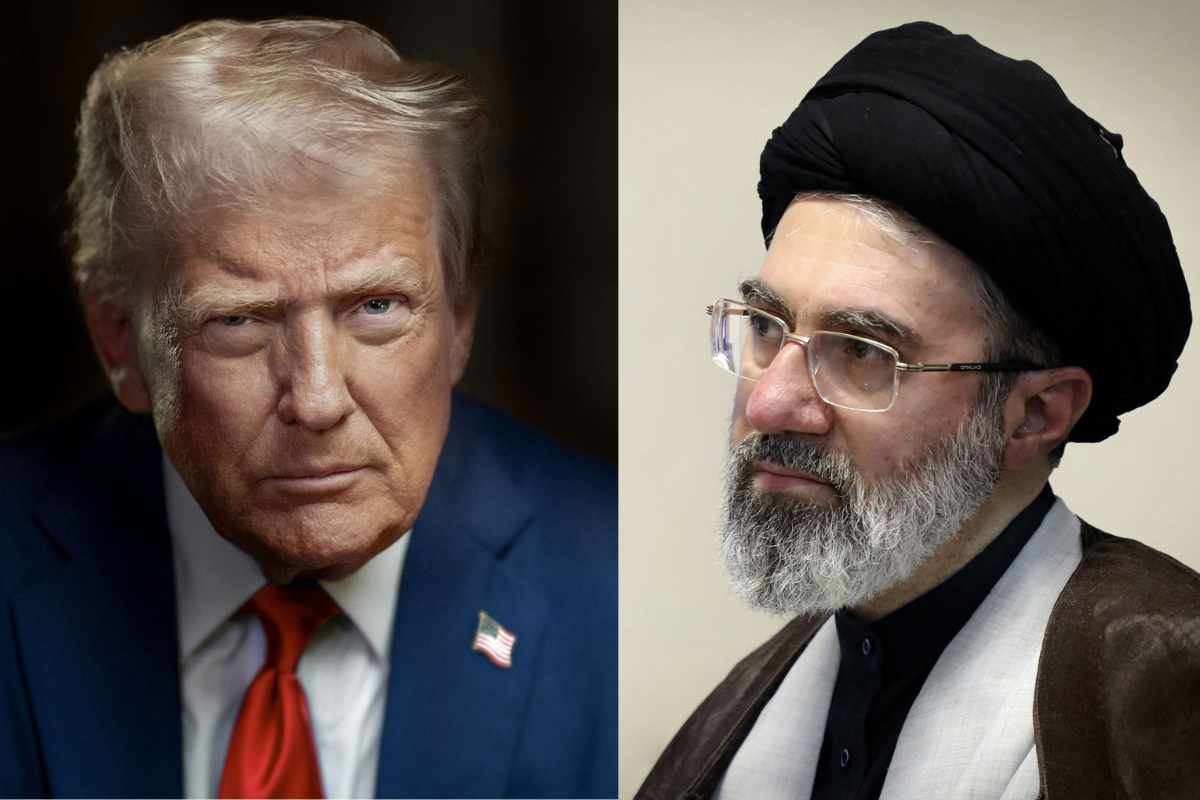
The United States is quietly exploring a radical financial maneuver to underwrite the defense of its Gulf allies by liquidating seized Iranian assets. This legal and diplomatic strategy aims to divert frozen funds directly to nations bearing the brunt of regional drone and missile strikes. Washington is trying to shift the financial burden of Middle Eastern security back onto Tehran itself.
For decades, the standard American response to regional aggression involved deploying carrier strike groups and burning through billions of taxpayer dollars. The fiscal reality in Washington has changed. Lawmakers are demanding cost-effective deterrence, and the Department of the Treasury is looking at billions in frozen Iranian state funds as the solution. This is not about charity. It is a calculated geopolitical reallocation of capital designed to penalize aggression without draining the American treasury.
The Mechanism of Modern Asset Seizure
Transferring state-owned funds from one sovereign nation to another during peacetime is incredibly complex. Under international law, sovereign immunity generally protects a state’s assets from being confiscated by foreign courts. The United States is leveraging specific legislative loopholes and emergency powers to bypass these traditional protections.
The primary mechanism relies on the International Emergency Economic Powers Act joined with recent judicial precedents regarding state-sponsored terrorism. When federal courts rule against Iran in civil suits brought by victims of regional violence, those judgments create a legal pathway to attach frozen assets.
[Frozen Iranian Central Bank Funds]
               │
               ▼ (U.S. Federal Court Judgment / Emergency Executive Order)
[Asset Forfeiture & Liquidation Pipeline]
               │
               ▼
[Gulf Security Assistance & Reinvestment Fund]
This pipeline transforms static, frozen capital into active military procurement funds. The money does not land in Gulf treasuries as liquid cash. Instead, the funds move through federal accounts to pay American defense contractors directly for anti-missile systems, radar upgrades, and counter-drone technology destined for regional partners.
Washington Shards of Regional Trust
Gulf capitals view this development with deep skepticism. Riyadh and Abu Dhabi have spent the last several years diversifying their diplomatic portfolios, repairing ties with Tehran, and joining multilateral blocs like BRICS. A direct injection of confiscated Iranian cash into their defense budgets complicates this delicate balancing act.
They fear retaliation. If Saudi Arabia or the United Arab Emirates accepts military hardware explicitly stamped with liquidated Iranian capital, Tehran will view it as an act of economic warfare. The regional escalation cycle could worsen. Gulf strategists are weighing the immediate benefit of free American hardware against the long-term risk of renewed cross-border strikes on their energy infrastructure.
American diplomats have a tough sell ahead. They must convince partners that this financial strategy offers a permanent deterrent, rather than a provocation that invites the very attacks it is meant to prevent.
The Problem of Legal Precedent
Using sovereign funds to compensate foreign nations sets a dangerous precedent in global finance. Central banks across the globe are watching this play out. If the United States can unilaterally decide to repurpose the frozen reserves of a sovereign state to fund its geopolitical allies, the foundational trust in the Western financial system erodes.
Critics within the financial sector argue this move will accelerate de-dollarization. Nations with shaky relationships with Washington might decide that holding reserves in U.S. dollars or within Western clearinghouses is too dangerous. They will move their capital to Beijing, Singapore, or alternative financial networks beyond the reach of federal asset forfeiture teams.
The Limits of Air Defense Interdiction
Hardware alone cannot fix the fundamental imbalance in Gulf security. The math is brutal. An attacking drone can cost as little as twenty thousand dollars to manufacture. The interceptor missile used to destroy it can cost millions.
+-----------------------------------+---------------------------------+
| System Type                       | Estimated Unit Cost             |
+-----------------------------------+---------------------------------+
| Iranian-designed Attack Drone     | $20,000 - $50,000               |
| Patriot Interceptor Missile       | $2,000,000 - $4,000,000         |
| NASAMS Interceptor                | $1,000,000                      |
+-----------------------------------+---------------------------------+
Liquidating Iranian assets to buy more interceptors is a temporary fix for a structural problem. Tehran can out-produce the defensive capacity of its neighbors through sheer volume and low production costs. The financial strategy must change from buying expensive shield components to funding offensive disruption capabilities that stop the production lines inside Iran.
The Shell Game of Sanctions Evasion
Tehran is not waiting around for its remaining overseas accounts to be drained. The Iranian central bank has spent decades perfecting the art of capital flight and sanctions evasion. Most of their active revenue streams no longer pass through nodes that Washington can easily freeze.
The ghost armada of oil tankers operating under flags of convenience keeps the regime capitalized. This shadow economy deals in non-Western currencies and utilizes illicit financial networks across Asia and the Middle East. The assets currently frozen in Western banks represent historical capital, not current operational revenue.
By focusing on these legacy assets, the United States is targeting the past rather than disrupting the present cash flows that fund current proxy networks.
A Balance Sheet of Regional Deterrence
The strategic value of this financial policy lies in its psychological impact on the Iranian political leadership. The regime views its frozen foreign reserves as a future windfall, money that will eventually return to their treasury once a new diplomatic agreement is reached.
Wiping those assets off the ledger permanently to arm their direct rivals changes the calculation. It forces the supreme leader and the Islamic Revolutionary Guard Corps to accept that their regional actions carry a permanent financial penalty.
The Western coalition must execute this strategy with flawless legal precision. Any slip in the federal courts or lack of coordination with international clearinghouses will result in successful legal counter-challenges, tying up the funds for another decade and leaving Gulf security vulnerabilities completely exposed.