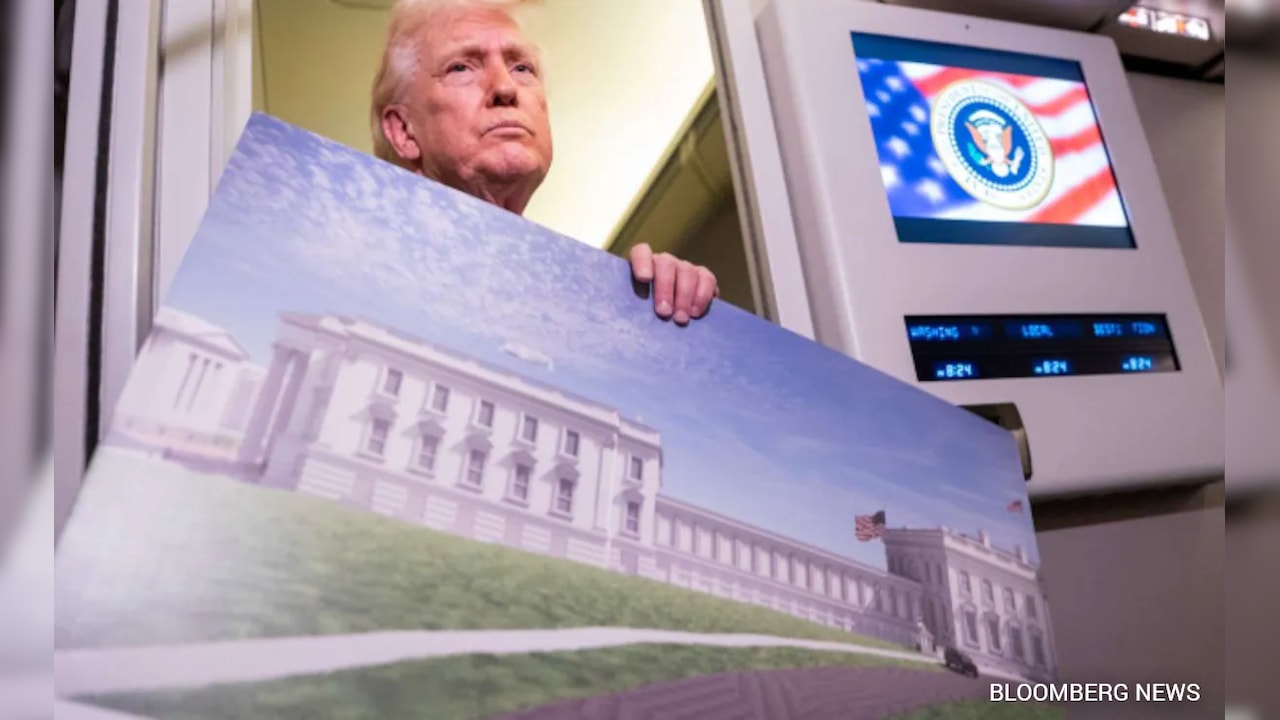
The legal battle over a proposed $400 million White House ballroom has reached a critical turning point. A federal appeals court just blocked above-ground construction on the massive project, and President Donald Trump is taking the fight straight to the Supreme Court.
If you've been following the clash between executive power and congressional oversight, this showdown is about much more than architectural preferences or event space. It's a constitutional test over who actually controls modifications to the executive mansion. If you liked this piece, you should read: this related article.
What Triggered the White House Ballroom Dispute
The controversy began when the administration ordered the demolition of the historic East Wing to clear the way for a 90,000-square-foot ballroom. Funded largely through private donations rather than congressional appropriations, the project was billed as a secure, necessary venue for hosting large-scale state events and formal functions.
Almost immediately, the National Trust for Historic Preservation pushed back. They filed a lawsuit arguing that transforming the presidential complex without explicit legislative authorization oversteps executive boundaries. Lower courts agreed, leading to a series of injunctions that paused structural work above ground while allowing certain underground security features to proceed. For another look on this event, see the recent update from TIME.
The Appeals Court Decision
In a 2-1 ruling, the U.S. Court of Appeals for the District of Columbia Circuit upheld the preliminary injunction halting the construction. The majority opinion stressed a fundamental constitutional principle: the White House belongs to the American public, and presidents act as temporary tenants rather than owners.
The court ruled that major structural overhauls require explicit approval from Congress. Writing that the executive branch cannot bypass lawmakers through self-help or private financing, the judges made it clear that architectural alterations of this scale demand legislative consent.
Meanwhile, the dissenting judge argued that the challenge lacked proper legal standing and cautioned against judicial overreach into presidential property management.
Trump Vows an Immediate Supreme Court Challenge
True to form, the administration isn't backing down. Dismissing the ruling as unjust and politically motivated, Trump announced plans to take the case directly to the Supreme Court.
The appeals court granted a 14-day administrative stay to give the legal team time to file its appeal. Justice Department attorneys have maintained that courts have no business interfering with a project tied directly to presidential safety and security. They argue that modern threats require upgraded physical security infrastructure that outweighs historical preservation arguments.
The coming weeks will determine whether the highest court in the country agrees to hear the dispute and whether construction equipment will be allowed back on the White House grounds anytime soon. Keep an eye on the filings over the next fortnight, because this precedent-setting separation-of-powers fight will shape how future administrations handle modifications to federal landmarks.