The air inside a luxury hotel suite in Doha always feels exactly the same. It is a chillingly precise 21 degrees Celsius, a manufactured oasis designed to make the desert outside irrelevant. White linen tablecloths. Crystal glasses that ring with a flawless, clear note when touched. On the surface, it looks like any corporate conference, any high-end wedding reception, any standard gathering of wealthy individuals.
But look closer at the men sitting across from each other. Watch the way their hands hover near their water glasses, never quite picking them up. Watch the microscopic tension in their jaws. If you liked this post, you should read: this related article.
They are here because a single miscalculation could set the Middle East on fire.
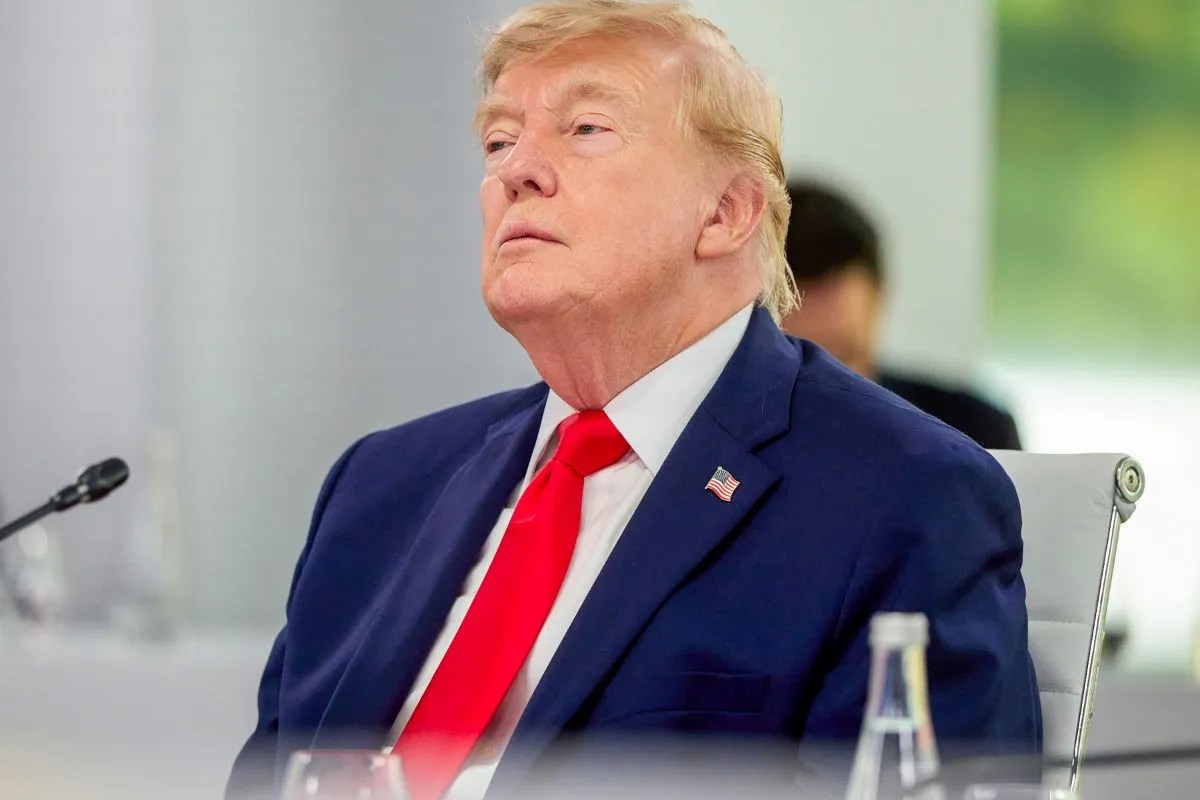
The announcement came quietly, buried under the usual avalanche of daily political noise. Iran and the United States have agreed to sit down for face-to-face talks in Doha. The meeting happens because Tehran asked for it, and Washington, after months of posturing, finally nodded. On the sidelines, Donald Trump watches, issuing bold claims about what he would do, adding fuel to an already volatile public discourse. For another look on this development, refer to the recent update from TIME.
To the casual observer scrolling through a news feed, it is just another headline. Another round of diplomatic musical chairs. But diplomacy is never just about the people in the room. It is about the millions of people who are not.
The Weight of the Invisible Passenger
Imagine a young mother in Tehran named Zahra. She does not understand the nuances of centrifuge enrichment levels or the specific legal language of international sanctions. What she understands is the price of milk. She understands the sound of her breath catching in her throat every time her phone buzzes with a new breaking news alert. For her, these talks are not an abstract chess game. They are a matter of survival.
Now shift your gaze thousands of miles away to an American family in Ohio. Their son is a drone technician stationed at a base in the Gulf. They do not read the policy briefs from Washington think tanks. They just look at the calendar, counting down the days until his deployment ends, praying that no rogue spark ignites a conflict that keeps him from coming home.
These are the invisible passengers sitting at the table in Doha. Every diplomat carries them into the room, packed tightly into their leather briefcases alongside the official memos and redlined treaties.
The tragedy of modern geopolitics is that we have been trained to view global conflict as a spectator sport. We look at maps shaded in contrasting colors, track troop movements on interactive graphics, and analyze poll numbers as if we are predicting the outcome of a Sunday football game. We forget the friction. We forget the human cost.
The relationship between the United States and Iran has spent decades trapped in a cycle of trauma and retaliation. It is a history written in frozen assets, proxy conflicts, and broken promises. When the Joint Comprehensive Plan of Action was dismantled years ago, it was treated by politicians as a tactical victory or defeat. For the people living in the shadow of that decision, it was a sudden drop in atmospheric pressure before a storm.
Trust is the rarest commodity in the desert. It cannot be bought, and it certainly cannot be manufactured during a single afternoon session in a Qatari conference room.
The Shadow of the Spectator
Then there is the wild card. The former American president, Donald Trump, has already weighed in, claiming that his previous administration’s policy of maximum pressure is the only reason Iran is coming to the table now. He asserts that under his watch, a deal would be struck in days, painted in the broad, simple strokes of a master businessman.
Political rhetoric thrives on simplicity. It tells us that complex, multi-generational animosities can be solved with a firm handshake or a well-timed threat. It reduces deep-seated cultural anxieties and national pride into a series of wins and losses.
But the reality inside the room is stubborn. It refuses to be reduced to a soundbite.
Consider what happens when the cameras leave and the heavy wooden doors click shut. The public bravado evaporates. What remains is a terrifyingly complex maze of technicalities. The Iranian delegation faces immense domestic pressure from hardliners who view any concession to the West as a betrayal of the revolution. The American delegation operates under the microscopic scrutiny of a deeply divided Congress and an electorate weary of foreign entanglements.
They are negotiating in a fishbowl, surrounded by sharks.
The real problem lies elsewhere, far beneath the surface of political posturing. The danger is not just that the talks will fail. The danger is the profound misunderstanding of what failure actually means. In Washington, failure means a setback in policy. In Tehran, failure means a deeper economic strangulation. In the region at large, failure means the potential for miscalculation that leads directly to kinetic warfare.
The Anatomy of a Secret
Diplomacy is often misunderstood as the art of conversation. It is actually the art of managing silence.
During these high-stakes meetings, what matters most is what is not said. It is the pause before an answer. It is the willingness to let an insult slide without reacting. It is the unspoken acknowledgment that both sides are trapped in a room they cannot leave without losing face.
The human element is the only thing that can break this deadlock. Behind the titles of "Ambassador" and "Special Envoy" are human beings who get tired, who get headaches from the artificial lighting, who miss their families, and who are quietly terrified of making a mistake that history will never forgive.
When a breakthrough happens, it rarely comes from a brilliant legal argument. It comes from a moment of shared exhaustion. It happens when two adversaries look across a table at three in the morning and realize they are both desperate for a way out.
The Doha talks are a fragile bridge built over a chasm of hostility. The bridge is made of paper agreements and verbal assurances, swaying wildly in the wind of public opinion and political ambition. It looks entirely unsafe. It feels entirely inadequate.
Yet, it is the only bridge available.
As the sun sets over the Persian Gulf, casting long, amber shadows across the Doha skyline, the delegates take their seats. The world waits for a press release, a tweet, or a statement to tell them what to think. But the true outcome of this meeting will not be found in the official communiqués. It will be felt in the coming weeks, measured by the things that do not happen. The missiles that are not fired. The sanctions that are not enforced. The quiet sighs of relief breathed by mothers in cities half a world apart, who get to live through one more day of peace.