The marble of the Marriner S. Eccles Federal Reserve Building in Washington, D.C., is designed to radiate an icy, monastic detachment. It tells the public a specific story: inside these walls, men and women of science look only at data. They stare at charts of core inflation, non-farm payrolls, and consumer price indices. They do not look at political maps. They do not care who sits in the Oval Office. They are the high priests of the American dollar, entirely insulated from the chaotic winds of partisan politics.
It is a beautiful fiction.
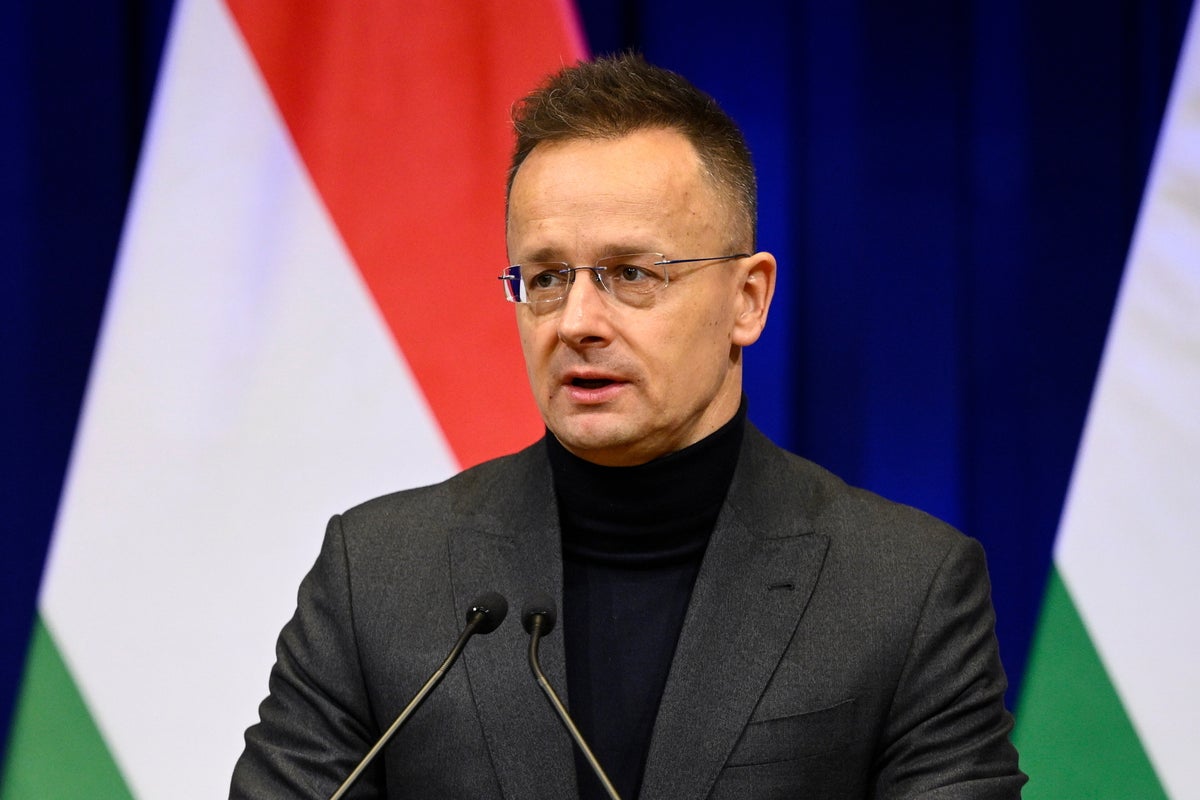
The reality of central banking has always been a contact sport played in the shadows, populated by human beings who must navigate the fragile egos of presidents and the relentless demands of the global market. When Federal Reserve Chairman Kevin Warsh stood before an audience of economic analysts and reporters, he did something unusual for a central banker. He pulled back the curtain, just a fraction, on the quiet, high-stakes dance between the nation’s monetary guardians and its political masters.
Warsh confirmed that he meets "often" with members of the Trump administration. To the casual observer, that admission feels like a crack in the fortress wall. It conjures images of arm-twisting, hushed ultimatums over mahogany tables, and a presidency attempting to steer interest rates by sheer force of will. But to understand why these meetings matter—and why the independence of the Fed is both fiercely defended and perpetually compromised—we have to look at what happens when the temple of money meets the theater of power.
The Gravity of an Open Door
Picture a restaurant owner in Ohio named Elena. She does not read the Federal Reserve’s Beige Book. She does not know Kevin Warsh personally, nor does she track the daily fluctuations of the overnight funds rate. But she feels their choices in her bones.
Three years ago, Elena wanted to expand her catering business. She needed a loan for a commercial kitchen. When the Fed raised rates to combat a surging tide of inflation, the cost of that loan skyrocketed. The expansion was shelved. Employees she meant to hire remained unemployed. Her story is the real-world consequence of a single decimal point adjusted in a secure room in Washington.
For Elena, and millions like her, the independence of the Fed is not an abstract legal concept. It is the guarantee that the cost of her livelihood is being determined by economic reality, not by a politician trying to juice the economy right before an election.
When a Fed Chairman meets frequently with an administration known for its vocal, often aggressive demands for lower interest rates, people like Elena get nervous. The fear is simple: if the White House can influence the Fed, the long-term stability of the dollar will be sacrificed for short-term political wins. History is littered with the wreckage of countries where the central bank became a rubber stamp for the executive branch. Hyperinflation is rarely born from a lack of economic knowledge; it is almost always born from a lack of political courage.
Warsh knows this history. Every central banker carries the ghost of Arthur Burns, the Fed Chair in the 1970s who famously succumbed to pressure from Richard Nixon, keeping interest rates too low for too long and unleashing a decade of crushing stagflation. No one wants to be the next Arthur Burns.
The Art of the Controlled Echo
During his address, Warsh did not sound like a man under siege. Instead, he framed these frequent meetings not as a sign of submission, but as an essential element of modern governance.
A central bank operating in a vacuum is a dangerous thing. If the legislative and executive branches are pumping billions of dollars of stimulus into the economy through tax cuts or infrastructure spending, the Fed needs to know about it before the data shows up in the official reports months later. Conversely, the White House needs to understand the breaking point of the financial system before they craft sweeping trade or tariff policies.
The meetings are less about taking orders and more about reading the room. It is a game of chicken played at the highest level of global finance.
Consider the mechanics of these interactions. A Fed Chairman walks into a room with administration officials. The politicians want growth. They want booming stock markets. They want numbers they can put on a campaign billboard. The Chairman brings the cold water. He explains that an overheated economy will eventually burn the very voters the politicians are trying to court.
"Independence," in this context, does not mean isolation. It means the ability to sit in the room, look the most powerful people in the world in the eye, and say "no" without fearing you will be fired the next morning. Warsh’s public defense of this independence was a signal aimed at two distinct audiences.
First, he was reassuring Wall Street and global investors that the Fed’s steering wheel remains firmly in the hands of technocrats. If the markets suspect the Fed has lost its autonomy, bond yields spike, confidence evaporates, and the entire financial apparatus begins to stutter.
Second, it was a subtle, respectful boundary line drawn for the administration itself. By publicly declaring his independence while acknowledging the meetings, Warsh made it harder for the White House to claim ownership over his decisions. He made the interactions transparent enough to disarm suspicion, yet kept the details private enough to maintain his leverage.
The Illusion of Total Control
The deeper truth that rarely gets discussed in these financial briefings is that the Federal Reserve's power relies entirely on a collective hallucination. The dollar is backed by nothing but the full faith and credit of the United States government. That faith is held together by the belief that the people managing the currency are adults in the room, insulated from the immediate panic of the daily news cycle.
When the line between the Fed and the White House blurs, that hallucination begins to fray.
We live in an era of unprecedented institutional skepticism. The public has been conditioned to believe that every system is rigged, that every independent body is secretly controlled by a puppet master. In this environment, the mere appearance of proximity can be as damaging as actual corruption. If the public loses faith in the integrity of the central bank, the currency itself loses its anchor.
Warsh’s task is an impossible balancing act. He must be collaborative enough to keep the economic machinery of the government aligned, yet aloof enough to preserve the sacred myth of absolute independence. He must listen to the administration's anxieties without letting them dictate his actions.
Back in Ohio, Elena is still watching the interest rates. She is trying to decide if this is the year she finally takes out that loan, if this is the year she can trust that the ground beneath her feet won't shift unexpectedly because of a midnight tweet or a closed-door compromise in Washington.
The true test of the Federal Reserve’s independence never happens during the quiet, prosperous times. It happens in the moments of crisis, when the pressure to blink becomes overwhelming, and the only thing standing between economic stability and chaos is the willingness of a few individuals to stand alone in the room.
The doors to the Marriner S. Eccles building will continue to open and close. The whisperers of capital will continue their quiet dialogues with the architects of political power. But as the meetings go on, the world watches the windows, looking for any sign that the ice inside has begun to melt.