History rarely arrives with the theatrical crash of a falling empire. More often, it slips through a quiet door, carried on the breath of a traveler returning home.
We live in an age that demands instant catastrophe or absolute safety. There is little room for the grey space between, that uneasy terrain where a single forgotten suitcase or a feverish cough in a crowded cabin can trigger a collective intake of breath across a continent. When news broke that a Russian woman had succumbed to a virulent infection, a ghost story whispered through the headlines. The word itself—plague—carries the weight of centuries. It summons medieval woodcuts, empty European streets, and the relentless, silent march of the Black Death. Meanwhile, you can find other events here: The Epidemiology of Cross Border Pathogen Transmission A Structural Postmortem of Kenyas First Ebola Cluster.
Yet, public health officials in the United Kingdom were quick to steady the room. The risk to the British public, they insisted, was very low.
Numbers are cold comfort when the imagination is warm. To understand why that assessment is correct, we have to step away from the panic and look at the architecture of modern medicine, the biology of an ancient pathogen, and the ordinary machinery of global travel that links a remote Siberian forest to the bustling underground of London. To see the bigger picture, check out the detailed analysis by Healthline.
Consider what happens when a bacterium older than civilization meets twenty-first-century containment.
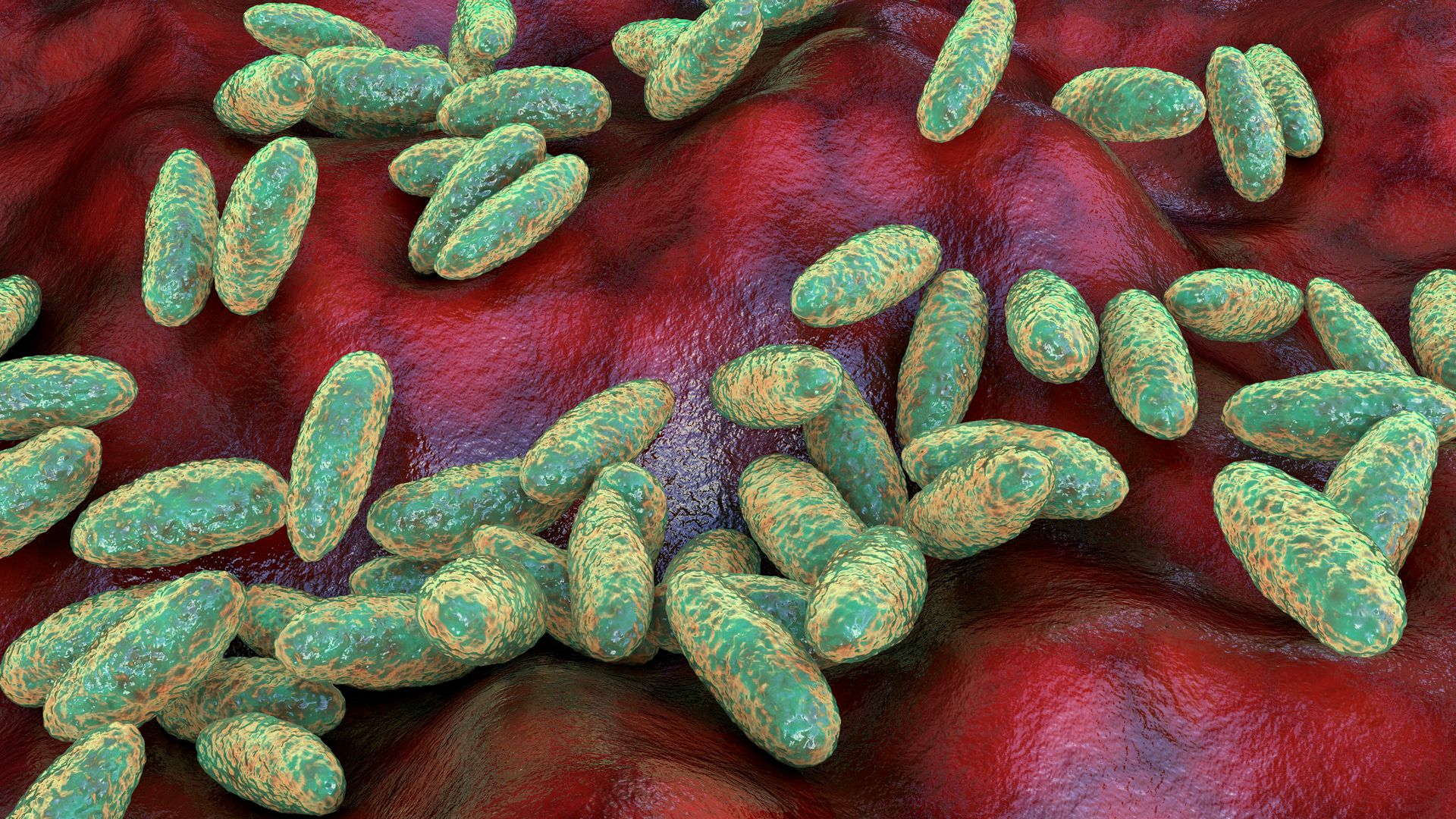
Yersinia pestis is not a mythical monster. It is a microscopic organism, a rod-shaped bacterium that has coexisted with rodents and fleas for millennia. In certain pockets of the world—the steppes of Central Asia, parts of the American Southwest, or the high plateaus of Russia—it slumbers in natural reservoirs. People occasionally cross its path. It is a disease of circumstance, a rare collision between human expansion and wild ecology.
When the news surfaced regarding the traveler who had returned to Russia after journeying through regions where the bacterium persists, the immediate reaction in newsrooms was reflexive. We have been trained by cinema to expect the exponential curve. One case becomes ten; ten become a thousand; civilization bends.
Epidemiology tells a different story.
Plague is not airborne in the way influenza or measles is airborne. While pneumonic plague can spread through respiratory droplets in rare, terrifying bursts, the vast majority of cases manifest as bubonic, tied directly to the bite of an infected flea, or septicemic, entering through the bloodstream. Transmission requires close, sustained contact or direct exposure to infected bodily fluids. It does not leap across a crowded tube car because someone sneezed. It requires vectors, thresholds, and conditions that modern sanitation and rapid antibiotic intervention systematically dismantle.
When British health authorities stated that the risk was negligible, they were not offering hollow reassurance. They were describing a firewall built over a hundred years of epidemiological vigilance.
To feel the reality of this protection, imagine a fictional passenger arriving at Heathrow on an ordinary Tuesday morning.
Let us call her Sarah. She is carrying a heavy backpack, smelling faintly of pine and damp earth from a remote trek abroad. She feels a dull ache in her joints, a deep, bone-weary fatigue that she blames on jet lag and overnight trains. She clears customs, steps into the chill London air, and merges into the tidal wave of commuters heading toward the Piccadilly line.
In a purely theoretical vacuum, every traveler is a variable. But public health is an elaborate, invisible net. Long before Sarah ever booked her ticket, international health regulations created tripwires. Airlines report illness mid-flight. Port health authorities monitor inbound passengers from specific endemic zones. Hospitals maintain protocols that flag unusual presentations of fever and lymph node swelling within hours of admission.
If Sarah were carrying Yersinia pestis, the timeline of her infection would work against widespread transmission. Unlike viruses that spread silently during a long incubation period before symptoms appear, plague strikes with sudden, fierce velocity. High fever, chills, and agonizingly swollen lymph nodes—buboes—render a person profoundly ill very quickly. You do not quietly commute for weeks while carrying active, untreated plague; you are in a hospital bed, shivering and fighting for breath, long before you pose a wider threat to society.
And here is the crucial weapon in the modern arsenal: streptomycin, doxycycline, and gentamicin.
Antibiotics have transformed one of history's most feared executioners into a manageable bacterial infection. Catch it early, and the machinery of modern pharmacology dismantles the threat before it can gain momentum. The UK Health Security Agency knows this. Their assessment of "very low risk" is not a gamble; it is an actuarial certainty based on the speed of detection and the efficacy of standard therapeutics.
We remain haunted by our ghosts.
There is a psychological vulnerability that comes with living in an interconnected world. We fly across oceans in hours, bridging distances that once took months, yet our ancient fears travel at the same speed as our jets. Every time an ancient pathogen stirs in the soil of Siberia, central Africa, or the western United States, a shiver runs down the collective spine of the internet.
We want guarantees of absolute zero. We want a world where containment is pristine and nature has been entirely domesticated.
That world does not exist. Wild ecosystems are complex, messy, and occasionally dangerous. Microbes evolve, reservoirs shift, and humanity continues to push into regions where ancient cycles still turn.
Yet, the story of modern public health is not one of impending doom. It is a story of quiet competence. It is thousands of lab technicians running genomic sequences in the middle of the night, epidemiologists tracing flight manifests with methodical precision, and physicians who know how to read the subtle signs of a disease that once brought empires to their knees.
The traveler's journey in Russia ended in tragedy, a stark reminder of the fragility of human life against the microscopic realities of the natural world. But across the North Sea, in the damp, crowded islands of Britain, the doors remained open, the trains ran on time, and the ancient shadow passed over without striking.
Sometimes, the most remarkable thing about a modern crisis is the catastrophe that quietly refuses to happen.