Western observers love a specific narrative when it comes to technology. They assume that because Silicon Valley builds the flashiest foundational models, the rest of the world naturally follows its lead or harbors the same anxieties.
That assumption is completely wrong.
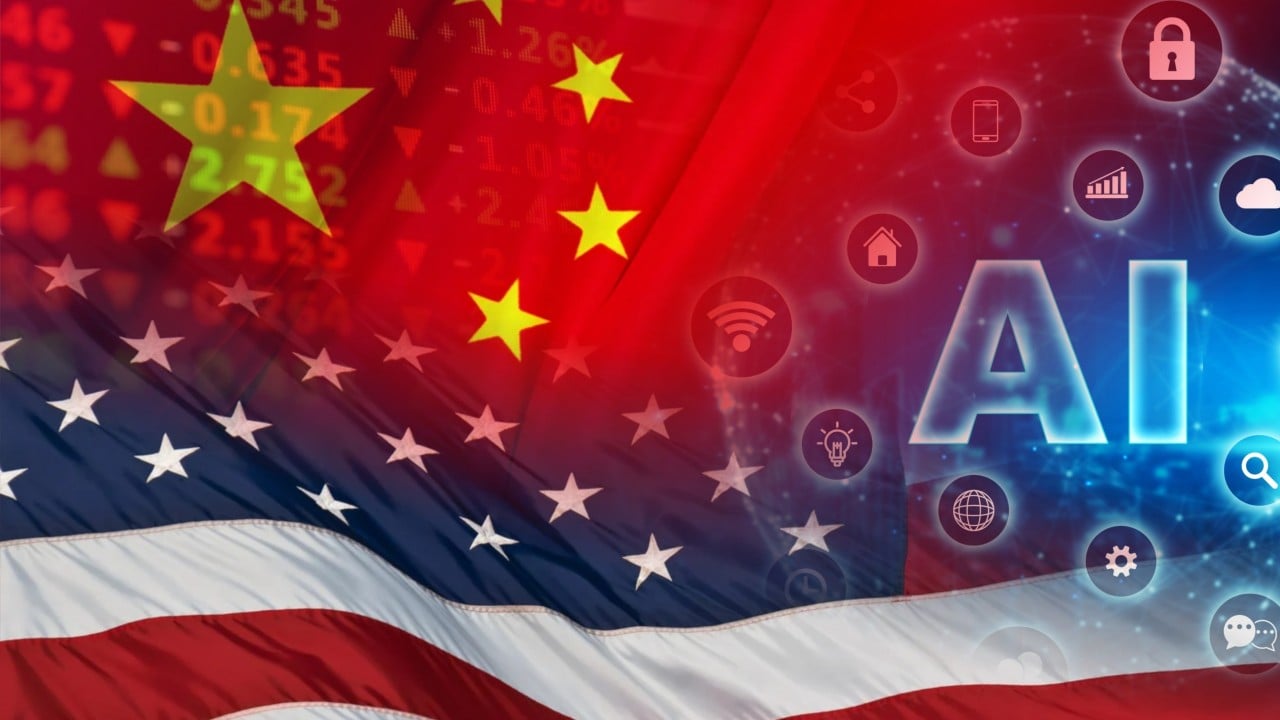
Recent data exposes a massive disconnect between how Western citizens view artificial intelligence and how China is racing ahead with it. The Public First global poll surveying over 18,000 people across 15 countries reveals a stunning reality check. Respondents in 11 of those countries believe China is dominating the AI superpower race, entirely upending assumptions about American tech supremacy.
Even in the United States, only 51% of citizens see their own country as the leader. In places like France, Canada, and the United Kingdom, public opinion heavily favors Beijing.
But the real shocker isn't raw engineering. It's the psychological gap. While the West sits paralyzed by fear of job losses and misinformation, China has built an environment where trust and rapid deployment fuel each other.
The Anxiety Divide
Go into any corporate office in New York or London right now. You'll hear deep anxieties about white-collar obsolescence. Anthropic CEO Dario Amodei recently predicted that AI could wipe out up to half of entry-level white-collar jobs within the next one to five years. In the US, that fear translates directly into sinking public optimism.
The Public First study highlights this perfectly. In 2024, 39% of Americans believed AI would make society better. By 2026, that number plummeted to 31%. Meanwhile, 40% now say it will make things worse.
Now look at the numbers out of China. According to the Edelman Trust Barometer, an astonishing 87% of people in China trust AI. Compare that to a miserable 32% in the United States, 36% in the UK, and 39% in Germany.
Why the radical difference? It comes down to everyday familiarity.
The data proves that hands-on experience is the quickest path to trust. People who use these systems regularly start viewing them as helpful assistants rather than terrifying replacements. The Stanford HAI 2026 AI Index Report found that workplace AI usage exceeds 80% in emerging economies like China and India, compared to a global average of 58%. In China, employees aren't just reading horror stories about algorithms; they're actively automating their mundane tasks.
Shrinking Tech Caps and Corporate Hand-Wringing
For a long time, Western tech leaders comforted themselves with the belief that US private spending—which is 23 times larger than China's—would keep Silicon Valley safely ahead. That cushion is gone.
The 2026 AI Index shows that China has essentially erased the US performance lead. The capability gap between top American models and Chinese competitors like DeepSeek has shrunk to a tiny 2.7%.
While Western tech firms lock down their models behind opaque safety committees, Chinese enterprises deploy them directly into consumers' hands. The Chinese government's "AI Plus" national initiative explicitly pushes these technologies into consumer hardware, smart robotics, and connected vehicles.
When people see a technology actively improving their morning commute or cutting down their workload without immediately getting them fired, they trust it. In the West, corporate leaders use AI as a threat to downsize teams, leading to massive community resistance against data center projects over water and electricity consumption. In China, local governments manage compliance to ensure stable integration without structural workforce collapse.
Where Global Trust Actually Fractures
It's critical to note that global trust doesn't mean a total lack of skepticism. Chinese citizens aren't blindly accepting everything algorithms spit out.
Misinformation worries everyone. The KPMG global trust study shows that 86% of respondents in China want strict laws to fight AI-generated deepfakes and false data. They expect social media firms to aggressively fact-check content.
The massive difference lies in who they trust to fix it.
The US public reports the lowest faith in its own government's ability to regulate technology responsibly, hovering at a pathetic 31%. Because Westerners don't trust their regulators or the tech billionaires building these systems, they reject the technology itself.
In emerging markets, the outlook is entirely different. More than seven in ten Chinese respondents expect AI to solve major global crises like climate change, poverty, and economic polarization. Only a third of Americans feel the same.
Overcoming the Innovation Bottleneck
If you are running a business or managing a technical team in a low-trust environment, you can't wait around for public sentiment to magically change. You have to actively build that confidence inside your own organization.
First, stop pitching automation as a cost-cutting tool meant to reduce headcount. That approach ruins internal culture and triggers immediate employee pushback. Instead, tie adoption to specific, measurable reductions in mundane administrative tasks.
Second, set up internal guardrails. The KPMG study exposed a dangerous trend: 66% of global workers rely on outputs without checking accuracy, and 56% admit to making work blunders because of it. Create clear verification processes so your team knows exactly how to double-check algorithmic suggestions.
Finally, build transparency into your pipeline. Let your staff know what models you use, where your internal data goes, and how decisions are made. Familiarity removes the fear of the unknown, turning skeptical employees into enthusiastic power users.